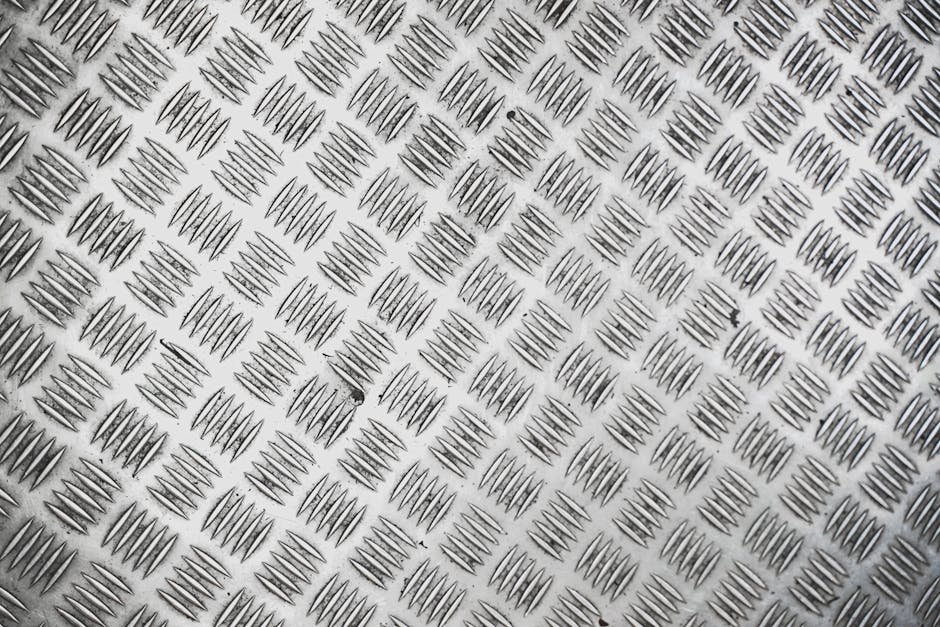

316 grade stainless steel sheet is a high-performance alloy renowned for its exceptional resistance to corrosion, even in harsh environments. Composed of 16-18% chromium, 10-14% nickel, and 2% molybdenum, it outperforms standard 304 stainless in chloride-rich conditions. This makes it indispensable in marine engineering, chemical processing, and coastal infrastructure. As a ferrous metal variant, it’s also a valuable scrap steel material, with fluctuating steel price per tonne influenced by global demand and recycling rates.
Composition and Key Properties of 316 Grade Stainless Steel Sheet
The unique composition of 316 grade stainless steel sheet gives it superior mechanical properties. The addition of molybdenum (Mo) significantly enhances its resistance to pitting and crevice corrosion, particularly in seawater and acidic environments. This alloy maintains strength at high temperatures and exhibits excellent formability, making it suitable for intricate sheet metal fabrication. Compared to mild steel, 316 stainless offers superior durability but requires specialized cutting and welding techniques.
- Chemical Composition: 16-18% Cr, 10-14% Ni, 2% Mo, 0.08% C max
- Corrosion Resistance: Resists chloride-induced corrosion 3x better than 304 stainless
- Temperature Range: -196°C to 870°C (-320°F to 1598°F)
Industrial Applications of 316 Stainless Steel Sheets
316 grade stainless steel sheets find critical applications across multiple sectors:
Marine and Coastal Infrastructure
Used in shipbuilding, offshore platforms, and seawater desalination plants. Its resistance to saltwater corrosion makes it ideal for propellers, hull reinforcements, and dock fittings. For example, the Sydney Harbour Bridge’s corrosion protection system includes 316 stainless steel components.
Chemical and Pharmaceutical Processing
Essential for reaction vessels, piping systems, and storage tanks. The alloy’s non-reactive surface prevents contamination in pharmaceutical production, while its resistance to nitric acid and chlorides ensures longevity in chemical processing plants.
Aerospace and Automotive Sectors
In high-performance vehicles and aircraft, 316 stainless steel sheets are employed for exhaust systems, engine components, and structural parts requiring both heat resistance and strength.
Food and Beverage Industry
Clean-in-place (CIP) systems and food processing equipment rely on 316 stainless to meet hygiene standards. Its smooth surface prevents bacterial buildup, complying with strict FDA regulations.
Recycling and Scrap Value of 316 Grade Stainless Steel Sheet
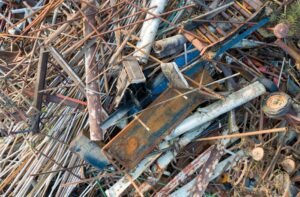
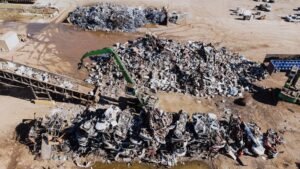
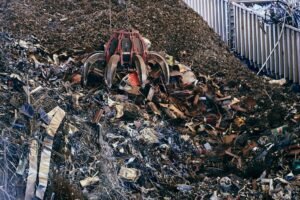
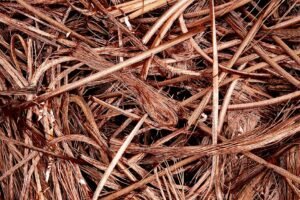
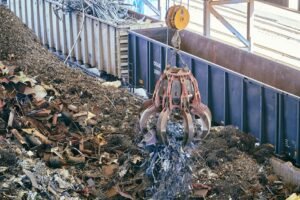
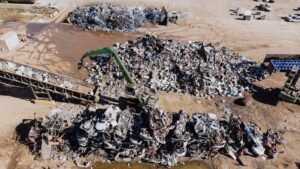
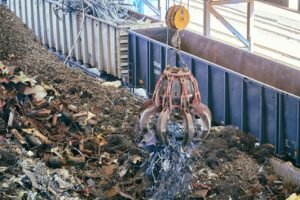
As stainless steel scrap, 316 grade retains high intrinsic value due to its alloy composition. Key factors affecting its steel price per tonne include:
- Market demand for 304 stainless vs. 316 grade
- Global supply chain dynamics (e.g., Chinese import tariffs)
- Condition of the scrap (clean vs. mixed with mild steel)
To estimate your stainless steel scrap value, use the Stainless Steel Scrap Calculator. For current pricing in Australia, refer to our Stainless Steel Scrap Price guide. 316 grade stainless steel sheet typically commands a 15-20% premium over 304 stainless in scrap markets due to its molybdenum content.
Purchasing and Sourcing 316 Grade Stainless Steel Sheets in Australia
When acquiring 316 stainless steel sheets, verify the alloy grade through mill certificates and spectrometry testing. Reputable stainless steel sheet suppliers in Australia include:
- Stainless Steel Sheet Brisbane (specializing in marine-grade sheets)
- WA Steel Solutions (Perth-based supplier with ISO 9001 certification)
- Steelco Australia (Melbourne warehouse with 24/7 online ordering)
For bulk purchases or Buy Ss316 Stainless Steel Scrap Marine Grade Available Australia 2026, ensure the material is free of contaminants like galvanized coatings or mixed ferrous metals.
Market Trends and Future Outlook for 316 Stainless Steel
The global stainless steel market is projected to grow at a CAGR of 5.2% through 2030, driven by infrastructure development and renewable energy projects. In Australia:
- 2023-2024: Steel price per tonne for 316 grade fluctuated between $1,200-$1,800 depending on scrap purity
- 2025 Projections: Increased demand from solar farm construction could boost prices by 8-12%
- Sustainability Impact: Recycling rates for stainless steel scrap reached 78% in 2023, reducing reliance on primary production
Stay updated on stainless steel scrap value through scrap.trade and scraptrade.com.au for real-time market insights.
Conclusion: Maximizing Value from 316 Grade Stainless Steel Sheets
316 grade stainless steel sheet represents a strategic investment for both manufacturers and recyclers. Its corrosion resistance justifies higher upfront costs in critical applications, while its scrap value remains stable compared to sheet metal alternatives. Proper documentation, testing, and market tracking are essential for optimizing returns whether buying new sheets or trading stainless steel scrap.
Advanced Applications and Technical Considerations
316 stainless steel sheets are increasingly used in cutting-edge technologies like 3D printing and biomedical devices. In additive manufacturing, they form components for aerospace engines and turbine blades. For biomedical applications, surgical instruments and implants benefit from its biocompatibility and resistance to sterilization processes. However, working with this alloy requires specialized equipment due to its work-hardening properties.
Environmental Impact and Recycling Benefits
Recycling 316 grade stainless steel sheet significantly reduces energy consumption compared to primary production. The process saves approximately 70% of the energy required to produce new sheets from iron ore. Additionally, Australia’s robust recycling infrastructure ensures that over 90% of stainless steel scrap is reprocessed into new products, minimizing landfill waste and conserving natural resources.
Frequently Asked Questions
How does 316 stainless steel differ from 304 stainless steel?
316 stainless steel contains 2% molybdenum, which gives it superior corrosion resistance compared to 304 stainless. This makes 316 ideal for marine and chemical environments. 304, while less expensive, is better suited for general-purpose applications like kitchen appliances.
Can 316 grade stainless steel sheet be recycled?
Yes, 316 stainless steel is 100% recyclable. It’s often processed into stainless steel scrap and re-melted to produce new sheets. The presence of molybdenum in 316 affects its scrap value, typically making it 15-20% more valuable than 304 stainless in recycling markets.
What factors influence the price of 316 stainless steel scrap?
The steel price per tonne for 316 scrap depends on global demand, the purity of the material (free from mixed ferrous metal), and market conditions like import tariffs. Marine-grade 316 tends to fetch higher prices due to its specialized applications.
Where can I find certified suppliers of 316 stainless steel sheets in Australia?
Reputable suppliers include stainless steel sheet suppliers with ISO certifications. For regional options, check stainless steel sheet Brisbane providers who specialize in marine and industrial-grade materials.