
316 stainless pipe is a critical material in industries requiring durability and resistance to harsh environments. As a high-alloy austenitic stainless steel, it contains molybdenum, which enhances its corrosion resistance compared to other grades like 304 stainless. This guide explores its composition, applications, recycling process, and market value, providing actionable insights for businesses and recyclers in Australia.
Composition and Properties of 316 Stainless Pipe
316 stainless pipe is defined by its chemical composition: approximately 16-18% chromium, 10-14% nickel, and 2-3% molybdenum. These elements work synergistically to create a material that resists corrosion from chlorides, acids, and seawater. The molybdenum content is particularly crucial for preventing pitting in saltwater environments, making 316 stainless pipe a preferred choice for marine and chemical processing industries.
Compared to 304 stainless, which lacks molybdenum, 316 offers superior resistance to atmospheric corrosion and high-temperature oxidation. This makes it suitable for applications where 304 would degrade over time. However, 316 is less formable and more expensive to produce, which is reflected in its scrap value.
Common Applications of 316 Stainless Pipe
316 stainless pipe is extensively used in industries where durability and hygiene are paramount. Key applications include:
- Marine Engineering: Used in boat fittings, desalination plants, and underwater pipelines due to its resistance to saltwater corrosion.
- Chemical Processing: Ideal for transporting aggressive chemicals, acids, and solvents in reactors and heat exchangers.
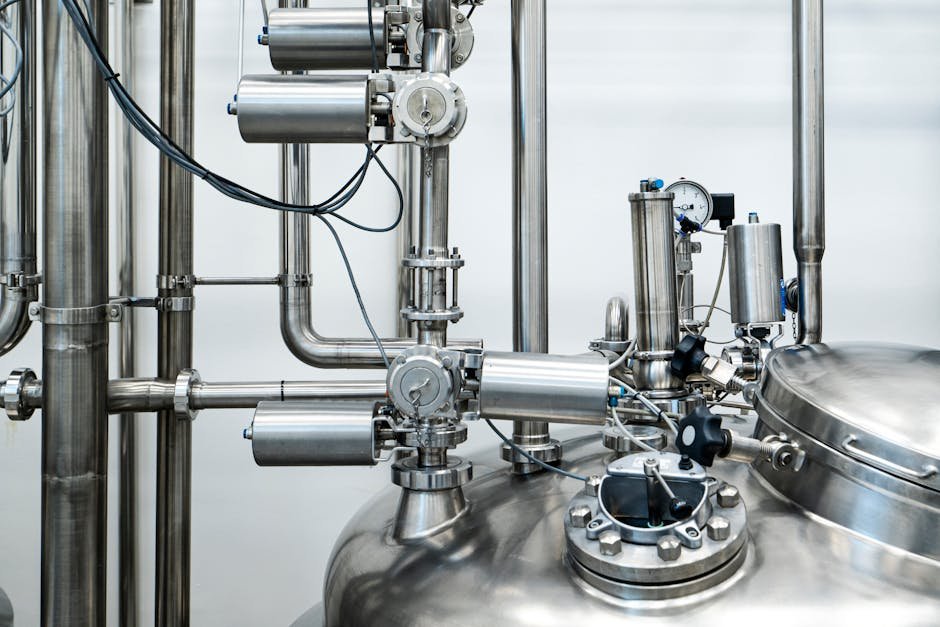
- Pharmaceutical and Food Processing: Meets stringent hygiene standards for conveying sterile fluids and food products.
- Medical Devices: Employed in surgical instruments and implantable devices due to its biocompatibility and sterilization resistance.
For recyclers, identifying 316 stainless pipe in decommissioned industrial equipment can unlock significant value. Always verify the alloy grade using a magnetic test or spectrometer before recycling, as its higher molybdenum content increases its stainless steel scrap price compared to 304 stainless.
Recycling Process for 316 Stainless Pipe
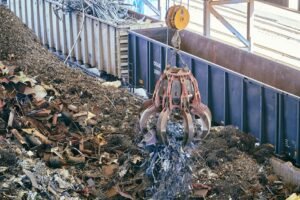
Recycling 316 stainless pipe involves several steps to ensure maximum recovery and market value:
- Collection and Sorting: Separate 316 from other metals like copper, brass, and 304 stainless using density tests or alloy identifiers.
- Preparation: Cut pipes into manageable lengths and remove contaminants such as coatings or welded attachments.
- Shredding or Shearing: Process pipes into smaller pieces to increase surface area for melting.
- Refining: Melt the scrap in electric arc furnaces, adjusting alloy compositions to produce new 316 or other stainless grades.
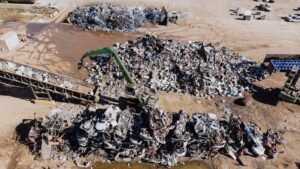
Recycled 316 stainless pipe contributes to sustainability by reducing the need for virgin ore mining. In Australia, Metal Pipe Scrap Buyers Copper Steel Stainless Pipe specialize in handling high-grade alloys like 316, ensuring efficient processing and competitive pricing.
Market Value of 316 Stainless Pipe vs. 304 Stainless
The scrap value of 316 stainless pipe is typically 15-25% higher than 304 stainless due to its molybdenum content and industrial demand. As of 2024, prices for 316 stainless scrap in Australia range from $2.50 to $3.80 per kilogram, depending on location and market conditions. In contrast, 304 stainless scrap commands $1.80-$2.50 per kilogram.
Several factors influence these prices:
- Global Steel Demand: Construction and manufacturing booms increase demand for stainless alloys.
- Raw Material Costs: Nickel and chromium price fluctuations directly impact alloy production costs.
- Environmental Regulations: Stricter emissions rules may favor recycling over primary production, boosting scrap prices.
Track Stainless Steel Scrap Price updates regularly to optimize your recycling returns. For mixed batches containing both 316 and 304 stainless, consider separating them for higher payouts.
Practical Tips for Recycling 316 Stainless Pipe
Maximize your returns by following these best practices:
- Test Alloy Grades: Use a handheld XRF analyzer or send samples to a lab to confirm it’s 316 stainless, not 304 or non-ferrous metals.
- Clean Contaminants: Remove oils, greases, and coatings using degreasing agents before selling. Dirty scrap fetches 10-20% less.
- Partner with Experts: Work with specialized recyclers who can test and process high-grade alloys efficiently.
- Track Market Trends: Monitor stainless shop platforms for real-time pricing data and bidding opportunities.
Environmental and Economic Impact of Recycling 316 Stainless
Recycling 316 stainless pipe reduces energy consumption by 70% compared to producing new alloys from ore. It also minimizes mining-related environmental degradation, such as habitat destruction and water pollution. In Australia, the recycling industry supports over 30,000 jobs and contributes $12 billion annually to the economy.
For businesses, recycling 316 stainless pipe aligns with ESG (Environmental, Social, Governance) goals. Many manufacturers now require suppliers to provide recycled content certificates, creating a financial incentive to manage scrap responsibly.
Conclusion: Why 316 Stainless Pipe Matters in Recycling
316 stainless pipe represents a valuable asset in both industrial and recycling contexts. Its unique composition ensures long-term performance in demanding applications while offering premium returns when recycled. By understanding its properties, applications, and market dynamics, businesses can optimize their material management strategies.
Whether you’re decommissioning marine infrastructure or sourcing 316 stainless wire for new projects, partnering with knowledgeable recyclers is essential. Platforms like scrap.trade connect you with verified buyers, ensuring you get the best price for your materials.
FAQ
1. How does 316 stainless pipe differ from 304 stainless?
316 stainless contains molybdenum, which enhances its resistance to chlorides and pitting corrosion compared to 304 stainless. It is also more expensive and less formable.
2. Can I recycle 316 stainless pipe with other metals?
Mixing 316 with other metals like copper or non-ferrous alloys reduces its value. Always separate 316 stainless pipe for higher payouts from specialized scrap buyers.
3. What is the current market price for 316 stainless pipe scrap?
As of 2024, prices range from $2.50 to $3.80 per kilogram in Australia. Check Stainless Steel Scrap Price for real-time updates.
4. How do I identify 316 stainless pipe?
Use a magnet test (316 is slightly magnetic due to molybdenum) or send samples to a lab. Avoid assuming it’s 316 if it was used in non-marine environments, as it could be 304 stainless.
Related: Sell Brass Fittings Scrap Plumbing Pipe Fittings
Related: stainless shop
Frequently Asked Questions
How does 316 stainless pipe differ from 304 stainless?
316 stainless contains molybdenum, which enhances its resistance to chlorides and pitting corrosion compared to 304 stainless. It is also more expensive and less formable.
Can I recycle 316 stainless pipe with other metals?
Mixing 316 with other metals like copper or non-ferrous alloys reduces its value. Always separate 316 stainless pipe for higher payouts from specialized Metal Pipe Scrap Buyers Copper Steel Stainless Pipe.
What is the current market price for 316 stainless pipe scrap?
As of 2024, prices range from $2.50 to $3.80 per kilogram in Australia. Check Stainless Steel Scrap Price for real-time updates.
How do I identify 316 stainless pipe?
Use a magnet test (316 is slightly magnetic due to molybdenum) or send samples to a lab. Avoid assuming it’s 316 if it was used in non-marine environments, as it could be 304 stainless.