
316 stainless steel scrap is a critical material in industrial and marine applications due to its corrosion resistance and durability. This guide explores its grades, recycling processes, and environmental advantages, helping you understand its value in Australia’s scrap metal market.
Overview of 316 Stainless Steel Scrap
316 stainless steel is part of the austenitic stainless steel family, containing 16-18% chromium and 10-14% nickel, with added molybdenum for enhanced corrosion resistance. It outperforms lower-grade stainless steels like 304 stainless in extreme environments, such as marine or chemical processing settings. This grade is non-ferrous, meaning it contains minimal iron content, distinguishing it from ferrous metals like mild steel or scrap steel. Its unique composition makes it highly sought after in recycling operations, where it’s reprocessed into new products without losing its properties.
Grades of Stainless Steel Scrap
Stainless steel is categorized into grades based on alloy composition and application. The most common grades in recycling include:
- 304 Stainless Steel: The most widely used grade, ideal for general-purpose applications like kitchenware and building materials. It lacks molybdenum, making it less resistant to chlorides than 316.
- 316 Stainless Steel: Known for its molybdenum content, it resists corrosion in saltwater environments, making it suitable for marine equipment and chemical processing.
- 430 Stainless Steel: A ferritic grade with lower corrosion resistance, often used in exhaust systems and decorative applications.
When recycling 316 stainless steel scrap, it’s essential to separate it from lower-grade materials to maintain its value. Contamination with ferrous metals like mild steel or sheet metal can reduce its market price. Always verify the grade using a metal testing kit or consult with a professional recycler Stainless Steel Scrap Price to ensure accurate identification.
How Recycling 316 Stainless Steel Scrap Works
The recycling process for 316 stainless steel involves several stages to ensure purity and usability:
- Collection and Sorting: Scrap is gathered from industrial facilities, construction sites, or consumer products. Sorting separates 316 stainless from other grades and non-ferrous metals.
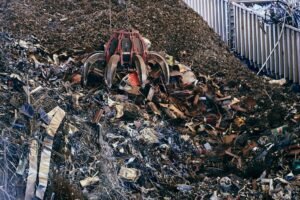
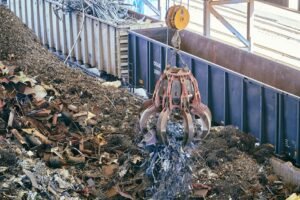
- Shredding and Processing: Large pieces are shredded or cut into manageable sizes using heavy machinery. This increases surface area for efficient melting.
- Melting and Refining: The scrap is melted in electric arc furnaces (EAFs) or induction furnaces. Impurities are removed through refining processes like argon oxygen decarburization (AOD).
- Casting and Reformation: The purified molten metal is cast into ingots or slabs, ready for further processing into new products like pipes, fasteners, or medical devices.
Recycling 316 stainless steel is energy-efficient compared to producing virgin metal. According to the Australian Steel Recycling Institute, recycling stainless steel uses 75% less energy than primary production, making it a cornerstone of sustainable manufacturing.
Environmental Benefits of Recycling 316 Stainless Steel
Recycling 316 stainless steel scrap significantly reduces environmental impact in several ways:
- Reduced Mining Demand: Every tonne of recycled stainless steel saves approximately 1.5 tonnes of iron ore and 0.5 tonnes of chromium from being mined.
- Lower Carbon Emissions: Recycling emits 60-70% fewer CO2 emissions than producing new stainless steel. This aligns with global sustainability goals like the Paris Agreement.
- Resource Conservation: Stainless steel is 100% recyclable indefinitely without quality loss. This closed-loop recycling system minimizes waste in landfills.
For businesses, recycling 316 stainless steel also supports compliance with environmental regulations and enhances corporate social responsibility (CSR) credentials. In Australia, where 94% of steel is recycled, this practice is vital for maintaining a circular economy.
Maximizing Value from 316 Stainless Steel Scrap Sales
To extract maximum value from 316 stainless steel scrap, consider these strategies:
- Stay Informed on Steel Price Per Tonne: Market prices fluctuate based on global demand and raw material costs. Monitor Stainless Steel Scrap Price for real-time updates.
- Use a Scrap Calculator: Tools like the Stainless Steel Scrap Calculator help estimate your scrap’s value based on weight, grade, and market conditions.
- Prepare Scrap for Sale: Clean and separate 316 stainless from contaminants. Larger, uncontaminated batches command higher prices.
- Choose Reputable Buyers: Partner with certified recyclers who offer fair pricing and transparent processes. Scrap.trade connects sellers with trusted buyers nationwide.
For a step-by-step guide to selling scrap for profit, explore Stainless Steel Recycling: How to Sell Scrap for Maximum Profit.
Market Trends and Pricing for 316 Stainless Steel Scrap
316 stainless steel scrap prices are influenced by global trade dynamics, raw material availability, and industry demand. In 2024, the stainless steel 316 scrap price in Australia ranges from $1,200 to $1,800 per tonne, depending on purity and location. Seasonal factors, such as construction cycles and manufacturing output, also impact pricing.
Compare prices using the scrap stainless steel market index and track historical trends to time your sales effectively. For detailed pricing data, visit stainless steel 316 scrap price.
Conclusion: Why Recycling 316 Stainless Steel Matters
316 stainless steel scrap is a high-value resource with significant environmental and economic benefits. By understanding its grades, recycling processes, and market dynamics, businesses and individuals can contribute to sustainability while optimizing financial returns. Whether you’re managing industrial waste or disposing of household items, recycling 316 stainless steel supports a greener future.
Frequently Asked Questions
What makes 316 stainless steel different from other grades?
316 stainless steel contains molybdenum, which enhances its resistance to chlorides and harsh environments compared to 304 stainless steel. This makes it ideal for marine and chemical applications.
How can I identify 316 stainless steel scrap?
Use a metal testing kit to check for molybdenum content or look for markings like ‘S31600.’ Always confirm with a certified recycler to avoid confusion with lower-grade stainless steels.
What is the current market price for 316 stainless steel scrap?
As of 2024, the stainless steel 316 scrap price in Australia ranges from $1,200 to $1,800 per tonne. Prices vary based on purity, location, and global demand.
Why is recycling 316 stainless steel environmentally beneficial?
Recycling 316 stainless steel reduces energy consumption by 75% compared to producing new metal. It also prevents mining waste and lowers carbon emissions, supporting a circular economy.