
316 stainless wire is a critical material in Australia’s scrap metal recycling industry, prized for its durability and chemical resistance. This guide explores its composition, applications, and recycling considerations, helping recyclers maximize returns from 316 stainless wire and related materials like 304 stainless or copper wire.
Understanding 316 Stainless Wire
316 stainless wire is an austenitic stainless steel alloy containing 16-18% chromium, 10-14% nickel, and 2-3% molybdenum. This composition enhances its resistance to chlorides and marine environments compared to 304 stainless. It’s commonly used in aerospace components, medical devices, and chemical processing equipment. The molybdenum content differentiates it from 304 stainless, making it ideal for harsh conditions.
Key Applications and Industries
- Marine Engineering: Used in boat fittings, propeller shafts, and seawater piping due to its chloride resistance.
- Pharmaceutical Equipment: Ideal for reactors and tanks requiring high hygiene and corrosion resistance.
- Architectural Projects: Employed in coastal structures like handrails and cladding.
Recycling 316 stainless wire is vital, as it retains 90%+ of its original properties after processing. Scrap traders should note that its scrap value is higher than 304 stainless due to molybdenum content.
Recycling Process and Challenges
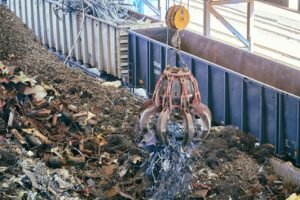
Recycling 316 stainless wire involves sorting, melting, and refining. Unlike non-ferrous metals like copper, stainless steel requires specialized furnaces to maintain alloy integrity. Contamination from insulated wire or electrical wire can reduce its value, so proper de-insulation is critical. For large volumes, use our Stainless Steel Scrap Calculator to estimate your material’s worth.
Comparing 316 Stainless to Other Alloys
| Alloy | Chromium | Nickel | Molybdenum | Corrosion Resistance |
|---|---|---|---|---|
| 316 Stainless | 16-18% | 10-14% | 2-3% | High |
| 304 Stainless | 18-20% | 8-10.5% | 0% | Moderate |
While 316 commands a premium, bulk stainless steel scrap prices fluctuate with global nickel markets. Track trends via our Stainless Steel Scrap Price page to time sales optimally.
Maximizing Returns for 316 Stainless Wire
- De-insulate Properly: For insulated wire, use industrial strippers to remove coatings without damaging the core.
- Segregate by Grade: Avoid mixing 316 with 304 stainless to maintain pricing accuracy.
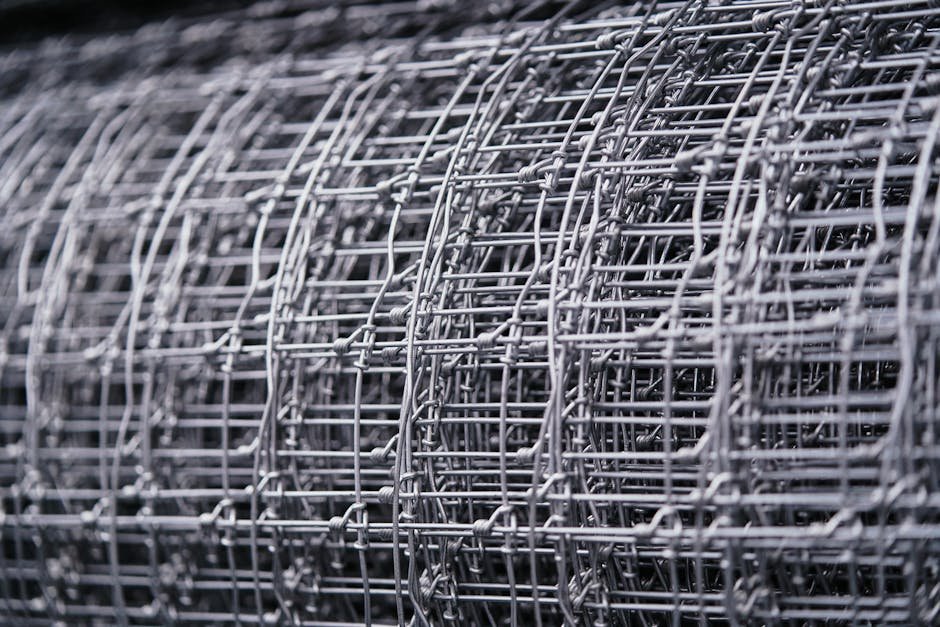
- Bundle for Bulk Sales: Suppliers pay premiums for clean, organized cable scrap or wire reels.
For surplus 316 stainless steel wire, contact stainless suppliers directly for premium offers. Our platform also supports online sales of copper wire and other metals.
Environmental Impact and Sustainability
Recycling 316 stainless wire reduces mining demand and energy use. Producing recycled stainless saves 70% energy compared to virgin material. Australia’s strict non-ferrous recycling standards ensure 316 is processed in compliance with Basel Convention guidelines.
Technical Considerations for Recyclers
When handling 316 stainless wire, note its magnetic properties: austenitic grades like 316 are typically non-magnetic in the annealed state but may show weak magnetism after cold working. This can affect sorting processes. For precise alloy identification, XRF testing is recommended. Partner with certified 316 stainless steel wire recyclers to ensure compliance with AS 1649 standards for stainless steel scrap.
Conclusion
316 stainless wire remains a high-value asset in Australia’s recycling ecosystem. By understanding its properties, applications, and market dynamics, traders can optimize profits while supporting sustainable practices. For real-time pricing and expert guidance, visit scrap.trade or explore our comprehensive recycling solutions.
FAQs
How does 316 stainless wire compare to 304 in scrap value?
316 commands a 15-20% premium over 304 stainless due to its molybdenum content, which enhances corrosion resistance.
Can insulated 316 stainless wire be recycled?
Yes, but insulation must be removed first. Contaminated wire fetches 30-50% less than clean stainless steel scrap.
What industries generate the most 316 wire scrap?
Aerospace, pharmaceuticals, and marine engineering produce significant 316 wire waste due to its specialized applications.
How to identify 316 stainless wire?
Use magnetic testing (non-magnetic in annealed state) or XRF spectrometry for accurate alloy identification.
Frequently Asked Questions
How does 316 stainless wire compare to 304 in scrap value?
316 commands a 15-20% premium over 304 stainless due to its molybdenum content, which enhances corrosion resistance.
Can insulated 316 stainless wire be recycled?
Yes, but insulation must be removed first. Contaminated wire fetches 30-50% less than clean stainless steel scrap.
What industries generate the most 316 wire scrap?
Aerospace, pharmaceuticals, and marine engineering produce significant 316 wire waste due to its specialized applications.
How to identify 316 stainless wire?
Use magnetic testing (non-magnetic in annealed state) or XRF spectrometry for accurate alloy identification.