
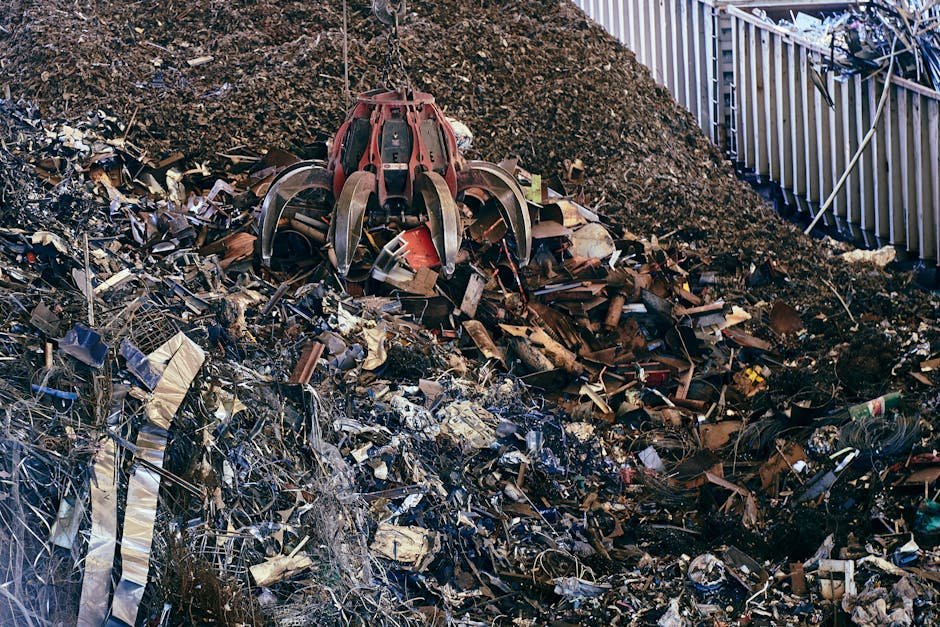

Navigating the local industry for scrap metal Ferntree Gully requires a strategic approach to ensure you receive fair market value for your materials. Whether you are a local contractor, a business owner clearing out an industrial site, or a resident with a collection of household metals, understanding the nuances of the recycling market is essential. The industry in the Knox region is dynamic, influenced by global commodity fluctuations and local logistics. To truly succeed in this market, you must treat your scrap as a commodity rather than waste. By leveraging tools like the Scrap Metal Prices index, you can time your sales to align with market peaks. This guide provides the authoritative framework needed to navigate the complexities of metal recycling, from identifying high-value grades to understanding the logistics of large-scale disposal.
Understanding Metal Grades and Classification
The foundation of the scrap industry is the precise classification of materials. Metals are broadly categorized into ferrous and non-ferrous, each requiring different handling and processing techniques. Ferrous metals, such as iron and steel, contain carbon and are magnetic. These are the workhorses of the recycling industry, found in everything from structural beams to automotive frames. In Ferntree Gully, local yards prioritize clean, prepared steel, which commands higher rates than mixed, contaminated scrap. Non-ferrous metals, including copper, aluminum, brass, and stainless steel, are significantly more valuable due to their scarcity and infinite recyclability without loss of quality. Copper, in particular, is the gold standard of scrap; clean #1 copper wire is consistently the most sought-after grade. To get the Best Scrap Metal Prices Near Me, you must ensure your materials are sorted by grade. Mixing metals leads to downgrading, where the entire load is valued at the price of the lowest-grade component. For professional insights into current market trends, refer to the Ultimate Guide to scrap metal prices in Australia.
The Lifecycle of Scrap Metal Recycling
Recycling is a sophisticated industrial process that transforms discarded items into high-grade raw materials. Once scrap reaches a facility in Ferntree Gully, it undergoes a rigorous multi-stage process. First, the material is weighed and inspected for contaminants. Radioactive materials, hazardous waste, or sealed containers can cause significant safety issues and are strictly prohibited. Once cleared, the metal is sorted using advanced technologies like X-ray fluorescence (XRF) analyzers, which determine the exact elemental composition of the scrap. Large-scale shredders then reduce the volume of the metal, making it easier to transport and refine. The shredded material is passed through magnetic separators to pull out ferrous metals, while non-ferrous metals are separated using eddy current separators. This process is highly energy-efficient; for instance, recycling aluminum consumes 95% less energy than producing it from virgin bauxite ore. This efficiency is why the Scrap Trade platform emphasizes the importance of proper sorting at the source. By maintaining clean, uncontaminated streams, you ensure that the recycling facility can maximize the recovery rate, which in turn supports better pricing for the seller.
Environmental and Economic Benefits
The environmental impact of recycling is profound. Mining for virgin ores is resource-intensive, resulting in habitat destruction, water pollution, and massive carbon emissions. By choosing to recycle scrap metal Ferntree Gully, you are actively participating in the circular economy, which keeps materials in use and out of landfills. Beyond the environmental scope, the economic benefits are equally compelling. The scrap industry provides thousands of jobs, from collection and logistics to high-tech processing. Furthermore, for businesses, selling scrap metal is a legitimate revenue stream that can offset the costs of site decommissioning or equipment upgrades. When you engage with reputable dealers at Scraptrade.com.au, you are contributing to a supply chain that feeds the global manufacturing sector. This is not merely about disposing of junk; it is about managing a valuable resource that powers the modern world.
Logistics and International Trade
For those managing large volumes of scrap, the local market is just the first step. The global demand for recycled metal is insatiable, particularly in developing economies that are rapidly industrializing. Understanding How To Export Scrap Metal Internationally is a critical skill for high-volume traders. Exporting requires strict adherence to international standards, such as the Basel Convention, and specific documentation regarding the cleanliness and composition of the material. Shipping scrap involves complex logistics, including containerization, customs brokerage, and freight management. If you are operating at an industrial scale, you must consider the costs of transport versus the potential gains in international markets. Often, domestic recycling is the most efficient route, but for specialized alloys or rare metals, global trade can offer superior margins. Always ensure that your logistical partner has experience in handling hazardous materials and international compliance to avoid costly delays at the port.
Maximizing Your Returns: Practical Strategies
To maximize the financial return on your scrap, preparation is everything. Start by segregating your metals at the source. If you are a contractor, use separate bins for copper, brass, aluminum, and steel. Keep your copper wire free of insulation if possible, as ‘bright and shiny’ copper fetches a premium over plastic-coated cable. For ferrous metals, remove non-metal attachments like plastic handles, rubber seals, or wooden frames. A clean load is always worth more than a dirty one. Furthermore, track the market. Metal prices are volatile and influenced by global events, currency exchange rates, and manufacturing demand. Use online tracking tools to monitor these trends and sell when the market is favorable. Don’t be afraid to build a relationship with your local yard manager; consistent, high-quality suppliers often receive preferential treatment and better pricing tiers. Finally, always prioritize safety. Wear appropriate PPE, use heavy-duty gloves, and be mindful of sharp edges and heavy loads. Safety is the hallmark of a professional trader.
Future Trends in the Australian Scrap Industry
The future of the scrap industry in Australia is shifting toward greater transparency and technological integration. We are seeing an increase in the use of AI-driven sorting systems that can identify and separate alloys with near-perfect accuracy. There is also a growing push for ‘green steel’ production, where electric arc furnaces are powered by renewable energy, further reducing the carbon footprint of recycled materials. For residents and businesses in Ferntree Gully, this means that the demand for high-quality, pre-sorted scrap will only increase. We are entering an era where traceability is key; buyers want to know the origin of their materials. By keeping accurate records of your scrap sales and ensuring your materials are processed ethically, you are positioning yourself at the forefront of this sustainable shift. The industry is moving away from the ‘junkyard’ stigma toward a high-tech, essential service sector that is vital for the global green transition.
Related: How To Export Scrap Metal Internationally
Related: Best Scrap Metal Prices Near Me
Frequently Asked Questions
What is the difference between ferrous and non-ferrous metals?
Ferrous metals contain iron and are magnetic, such as steel and iron. Non-ferrous metals do not contain iron, are non-magnetic, and include high-value materials like copper, aluminum, and brass.
How can I get the best price for my scrap metal?
The best way to maximize your return is to thoroughly sort and clean your metals before taking them to the yard. Removing contaminants like plastic, rubber, and wood ensures you are paid for the actual weight of the metal rather than a mixed-load rate.
Is it safe to store scrap metal at home or on a work site?
Storage requires caution regarding sharp edges, heavy lifting, and potential environmental runoff. Always store metals in a dry area and use appropriate PPE to prevent injuries from cuts or heavy items shifting.
Why is it important to recycle metal instead of throwing it away?
Recycling metal saves significant amounts of energy compared to mining virgin ore and reduces the need for landfill space. It also keeps valuable resources in the supply chain, supporting the circular economy and reducing industrial carbon footprints.