
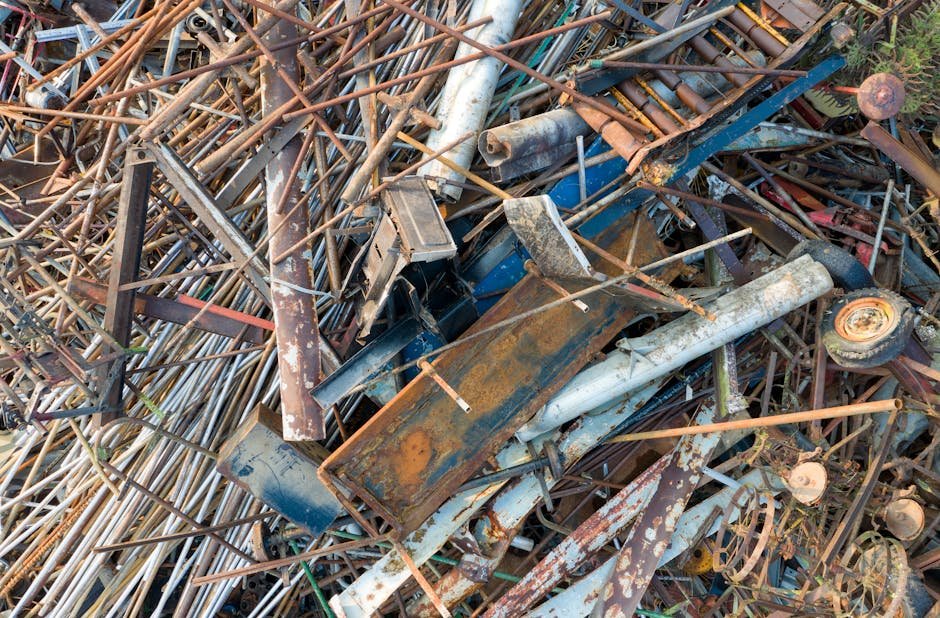

When you decide to sell your scrap metal, you are participating in a multi-billion dollar global circular economy that transforms discarded industrial waste into the raw materials of tomorrow. Whether you are a tradesperson clearing a worksite, a manufacturer managing production offcuts, or a homeowner decluttering, the process of extracting value from metal requires a strategic approach. To sell your scrap metal effectively, you must understand the nuances of metal grades, the volatility of the commodities market, and the logistical requirements of professional recycling facilities. This comprehensive guide serves as your authoritative resource for navigating the Australian scrap market, ensuring you maximize your returns while adhering to environmental and safety standards. If you are looking for local solutions, you can easily Sell Scrap Metal Near Me In 2026 by utilizing our updated directory of licensed facilities.
Understanding Metal Grades and Market Value
The foundation of a successful scrap transaction is accurate sorting. Scrap dealers categorize metals into two primary groups: ferrous and non-ferrous. Ferrous metals, such as iron and steel, contain carbon and are magnetic. While they are abundant, they typically command lower prices per kilogram compared to non-ferrous metals. Non-ferrous metals—including copper, aluminum, brass, stainless steel, and lead—are non-magnetic and highly valued for their conductivity, malleability, and infinite recyclability. Copper, in particular, is the gold standard of the scrap industry; clean, bright copper wire will almost always secure the highest payout. To Scrap Metal Prices, you must monitor the London Metal Exchange (LME) trends, as Australian domestic prices are heavily influenced by these global benchmarks. When you prepare to sell your scrap metal, remember that contamination is the enemy of profit. A load of copper pipe that contains brass fittings or plastic insulation is often downgraded to a lower price bracket. Always strip insulation from wires and remove steel attachments from aluminum components to ensure you receive the premium ‘clean’ grade price.
How to Sell Scrap Metal: Best Price & Where to Sell
Finding the right partner is just as important as the metal itself. You should always research where to sell based on the volume and type of material you possess. For small, household quantities, a local yard is convenient, but for industrial-scale volumes, you need a dealer with heavy-duty processing equipment and logistics capabilities. Our guide on How to Sell Scrap Metal: Best Price & Where to Sell provides a deep dive into comparing quotes. A professional scrap dealer should provide transparent weighing processes, ideally using certified public weighbridges. When you arrive at the yard, expect to provide identification; in Australia, this is a legal requirement under state-based scrap metal legislation designed to prevent the trade of stolen goods. You will need a valid driver’s license or passport and potentially proof of business ownership if you are trading as an entity. Always ask for a printed receipt that itemizes the weight and grade of each material type. If a dealer is unwilling to show you the weight on the scale or provide a detailed breakdown, take your business elsewhere. For those ready to move forward, you can Sell Scrap through our network of trusted, verified partners who prioritize fair dealings and transparent pricing models.
The Logistics of Recycling and Environmental Impact
The environmental benefits of recycling scrap metal are profound. Recycling aluminum, for instance, requires 95% less energy than producing it from virgin ore. By recycling steel, we reduce the need for iron ore mining and significantly lower greenhouse gas emissions associated with furnace operations. When you choose to recycle, you are directly contributing to a reduction in landfill waste and preserving finite natural resources. The recycling process involves several stages: collection, sorting, shredding, melting, and purification. Modern facilities use advanced technology like X-ray fluorescence (XRF) analyzers to determine the exact chemical composition of alloys, ensuring that high-quality metal is recovered for specialized manufacturing. For more information on how these facilities operate within the Australian landscape, visit Scraptrade.com.au to see how the industry is modernizing its approach to sustainability. This technical rigor ensures that the materials you sell are returned to the manufacturing cycle as high-grade feedstock, effectively closing the loop on industrial production.
Strategic Tips for Maximizing Your Returns
To consistently secure the best price, treat your scrap like a commodity. Accumulate enough material to make a trip to the yard worthwhile, but do not hoard it for so long that it becomes a safety hazard or loses value due to oxidation. Store your metals in a dry, covered area to prevent rust and corrosion, which can degrade the value of ferrous metals. If you are a contractor, implement a segregation system on your job site using clearly labeled bins for different metal types. This ‘source segregation’ saves you hours of sorting time later and ensures you aren’t mixing valuable copper with low-value steel. Furthermore, keep an eye on economic indicators. Global demand for scrap metal fluctuates based on construction activity, automotive production, and international trade policies. When demand is high, dealers are often more competitive with their pricing to secure supply. Building a long-term relationship with a single, reliable scrap dealer can also lead to better pricing tiers and priority service over time. They will appreciate a customer who brings in consistently clean, well-sorted loads, as it reduces their processing costs and improves their output quality.
Regulatory Compliance and Documentation
Australia has implemented strict regulations regarding the purchase of scrap metal to curb illegal activities. As a seller, you must be prepared to comply with these laws. Most states require scrap dealers to record the seller’s details, the vehicle registration used to transport the metal, and the description of the scrap. Some jurisdictions have moved to cashless transactions, meaning you will receive payment via electronic funds transfer (EFT) rather than physical cash. This is a positive development for the industry, as it creates a clear audit trail and enhances security for both the buyer and the seller. Before you head to the yard, ensure your documentation is in order. If you are selling on behalf of a company, bring a letter of authorization or a business card. If you are selling items like catalytic converters or heavy machinery, be prepared to provide proof of ownership or a decommissioning certificate. These measures protect the integrity of the recycling industry and ensure that your transactions are smooth, professional, and compliant with local laws.
The Future of Metal Trading in 2026 and Beyond
As we look toward 2026, the scrap metal industry is becoming increasingly digitized. We are seeing the rise of real-time pricing apps, blockchain-based tracking for material provenance, and automated sorting technologies that increase the purity of recycled products. The push toward a ‘net-zero’ economy means that the demand for high-quality recycled metals will only grow, as manufacturers seek to lower the carbon footprint of their supply chains. By engaging with the scrap market today, you are positioning yourself at the forefront of this transition. Whether you are a small-scale recycler or a large industrial entity, the principles remain the same: sort your materials, track market prices, maintain clean inventory, and work with reputable, transparent partners. The ability to effectively sell your scrap metal is not just a way to make extra money; it is a vital contribution to the global effort to conserve energy, reduce waste, and build a sustainable industrial future. By staying informed and utilizing the right resources, you can ensure that your scrap metal assets are managed with the highest level of efficiency and profitability.
Frequently Asked Questions
What is the most valuable scrap metal to sell?
Copper is generally the most valuable common scrap metal due to its high demand in electrical and plumbing industries. Other high-value metals include brass, stainless steel, and aluminum, though prices fluctuate based on purity levels and market conditions.
Do I need to sort my scrap metal before going to the yard?
Yes, sorting your metal is essential to getting the best price. Dealers pay significantly more for ‘clean’ sorted loads because it saves them the labor cost of separating materials, whereas mixed loads are often purchased at the lowest common denominator price.
Why do scrap dealers require identification?
Australian state laws mandate that scrap dealers record the details of sellers to prevent the trade of stolen goods. You will typically need a valid driver’s license or government-issued photo ID to complete a transaction.
How do I know if I am getting a fair price for my scrap?
You can determine a fair price by checking current regional market rates online and comparing quotes from multiple local yards. Always ensure the dealer uses a certified public weighbridge and provides a transparent, itemized receipt for your materials.