
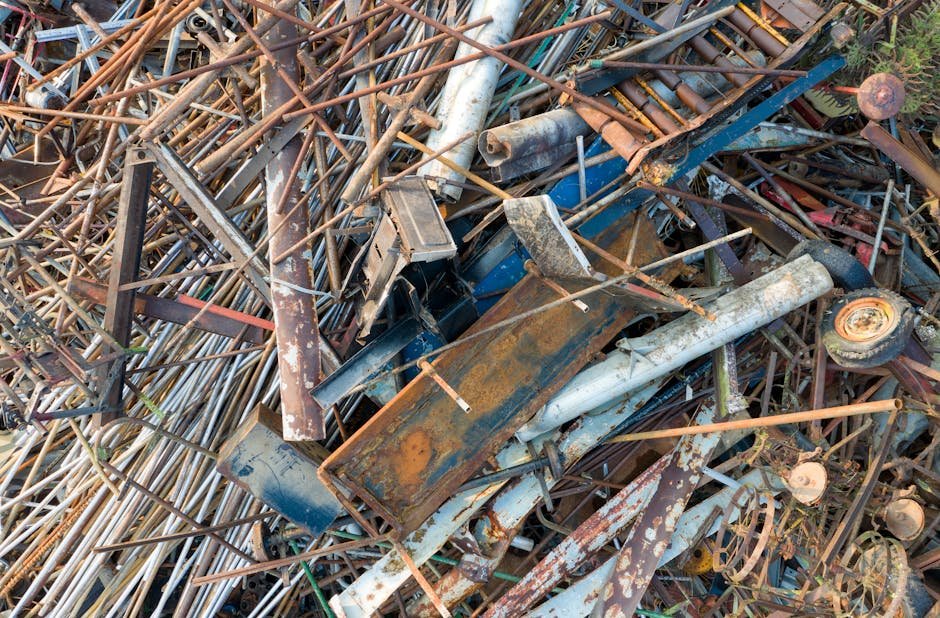

Understanding the lifecycle of scrap materials is essential for any Australian business or individual looking to optimize waste management and contribute to a sustainable future. As the global demand for raw materials intensifies, the role of professional scrap processing has shifted from simple waste disposal to a critical component of the supply chain. Whether you are dealing with industrial offcuts or demolition debris, the ability to identify and sort these materials determines their market value and environmental footprint. When you are ready to monetize your inventory, you can Sell Scrap through our streamlined platform to ensure you receive competitive market rates based on current global commodity trends.
The Hierarchy of Metal Grades
The value of scrap is dictated by its purity, chemical composition, and the ease with which it can be melted down and repurposed. In the Australian market, scrap is categorized into ferrous and non-ferrous groups. Ferrous metals, such as iron and steel, are magnetic and are primarily used in construction and heavy manufacturing. Non-ferrous metals, including copper, brass, and aluminium, are highly prized for their corrosion resistance and conductivity. For a deep dive into specific classifications, our guide on Aluminium Scrap: Grades, Recycling Process, and provides the technical specifications needed to distinguish between high-grade alloys and contaminated batches. Proper grading is not just about pricing; it is about ensuring the material meets the stringent requirements of smelters and refineries. Contamination, such as plastic coatings on copper wire or steel bolts in aluminium frames, can downgrade an entire load, significantly reducing your potential profit. We recommend using high-quality sorting equipment and rigorous on-site quality control to ensure your Scrap is clean and ready for immediate processing. By maintaining high standards, you avoid the heavy penalties associated with impurity deductions at the weighbridge.
The Industrial Recycling Process
Recycling scrap materials is a sophisticated industrial process that transforms discarded metal back into high-performance raw material. The cycle begins with collection and transport, followed by a rigorous sorting phase. Advanced facilities utilize eddy current separators, X-ray fluorescence (XRF) analyzers, and magnetic belt conveyors to separate metals by density and chemical signature. Once sorted, the material is shredded to increase surface area, which facilitates the removal of non-metallic contaminants like paint, oil, and insulation. The shredded scrap is then melted in furnaces to create standardized ingots or billets. This process is remarkably energy-efficient compared to mining virgin ore. For instance, recycling aluminium consumes roughly 95% less energy than producing primary aluminium from bauxite. Many major operators, such as Gmr Scrap, have invested heavily in this technology to ensure that the material recovered from the Australian market is of a quality that rivals virgin metal. This circularity is the cornerstone of the modern Australian scrap trading industry, allowing manufacturers to reduce their reliance on volatile global mining markets.
Environmental and Economic Impacts
The environmental case for recycling scrap materials is undeniable. By diverting metal from landfills, we mitigate the risk of heavy metal leaching into groundwater and reduce the massive carbon footprint associated with open-pit mining and smelting. Every tonne of steel recycled saves over a tonne of iron ore, 630 kg of coal, and 55 kg of limestone. Beyond the environmental benefits, there is a strong economic incentive for businesses to implement robust scrap recovery programs. Selling scrap provides a direct revenue stream that can offset operational costs, essentially turning a waste liability into a profit center. Furthermore, as ESG (Environmental, Social, and Governance) reporting becomes mandatory for larger Australian enterprises, documenting your recycling efforts provides transparent, verifiable data that enhances your corporate sustainability credentials. Companies that effectively manage their waste stream are often viewed more favorably by investors and regulators alike.
Strategic Sorting and Storage
To maximize the value of your scrap, storage and segregation must be treated as a core operational process rather than an afterthought. Store different metal types in clearly labeled, dedicated bins to prevent cross-contamination. For example, keeping copper separate from brass is critical, as even a small amount of copper in a brass batch can ruin the metallurgical properties of the final product. Utilize indoor storage for high-value metals like copper and stainless steel to prevent oxidation and weather-related degradation. If you are dealing with large volumes of industrial scrap, consider installing a baler to compact your material, which significantly lowers transportation costs by increasing the weight-to-volume ratio of your loads. Practical tip: keep a magnet handy to quickly differentiate between ferrous and non-ferrous metals on the factory floor, and use a portable XRF gun if you are handling high-value alloys where grade identification is ambiguous. By treating scrap as a valuable commodity rather than trash, you ensure that you are always getting the best possible return on your investment.
Navigating Market Fluctuations
The price of scrap is highly sensitive to the London Metal Exchange (LME) and broader geopolitical shifts. When global manufacturing demand is high, scrap prices rise, but supply chain bottlenecks can also cause sudden volatility. Successful traders monitor these trends closely. If you are holding large quantities of scrap, consider a ‘drip-feed’ approach to selling, where you move smaller amounts to the market consistently rather than trying to time the peak of a volatile cycle. Building a long-term relationship with a reputable processor is key to navigating these fluctuations, as they can provide market intelligence and hedging strategies that smaller operators might miss. Always ask for transparent pricing structures and understand the ‘dockage’ or ‘shrinkage’ policies of your buyer. A reliable partner will provide clear documentation of weights and grades, ensuring that you are paid fairly for the exact composition of the material you have supplied.
Future Trends in Metal Recovery
The future of the scrap industry lies in ‘design for recycling.’ As manufacturers move toward more complex alloys and composite materials, the challenge of separation grows. However, innovations in robotic sorting and AI-driven vision systems are making it easier to identify and recover materials that were previously considered impossible to recycle. We are also seeing a shift toward decentralized recycling hubs, where smaller scale processing occurs closer to the source of the waste, reducing the carbon emissions associated with long-haul transport. For businesses, staying ahead of these trends means investing in better on-site sorting practices today. As the Australian government continues to tighten regulations on waste exports and landfill usage, the infrastructure for domestic recycling will only grow more robust, providing more opportunities for businesses to participate in the value chain. By aligning your business with these advancements, you ensure that your waste management strategy remains compliant, profitable, and future-proof.
Conclusion: The Value of Action
The management of scrap is a fundamental pillar of modern industrial efficiency. By understanding the grades, optimizing the recycling process, and recognizing the environmental and economic imperatives, you can transform your waste management from a cost center into a strategic asset. The Australian market is uniquely positioned to lead in this space, with mature infrastructure and a growing commitment to the circular economy. Whether you are a small workshop or a large-scale manufacturing plant, the principles remain the same: sort at the source, maintain purity, and partner with experts who understand the nuances of the global metals market. Start by auditing your current waste stream, identifying the high-value materials, and implementing a rigorous segregation program. Your commitment to these practices not only drives revenue but also protects the natural resources that define our country’s future. Engage with the industry, stay informed on market pricing, and leverage the tools available to ensure that every scrap of metal you handle contributes to a cleaner, more profitable enterprise.
Frequently Asked Questions
What is the difference between ferrous and non-ferrous scrap?
Ferrous metals contain iron and are magnetic, such as steel and iron, and are commonly used in construction. Non-ferrous metals, such as aluminium, copper, and brass, do not contain iron, are non-magnetic, and are generally more valuable due to their corrosion resistance and conductivity.
How does contamination affect the price of my scrap?
Contamination occurs when different metals are mixed or when non-metallic materials like plastic, oil, or dirt are present. This lowers the value of the load because it requires expensive processing to separate, and processors will often apply a deduction or reject the material entirely.
Why is recycling scrap better for the environment than mining?
Recycling scrap requires significantly less energy than extracting and refining virgin ore. For example, recycling aluminium saves up to 95% of the energy needed for primary production, while also reducing waste in landfills and lowering carbon emissions.
How can I get the best price for my scrap materials?
To get the best price, you should sort your metals by grade and keep them free of contaminants. Additionally, storing your scrap properly to prevent oxidation and building a long-term relationship with a reputable buyer who offers transparent pricing will help you maximize your returns.