
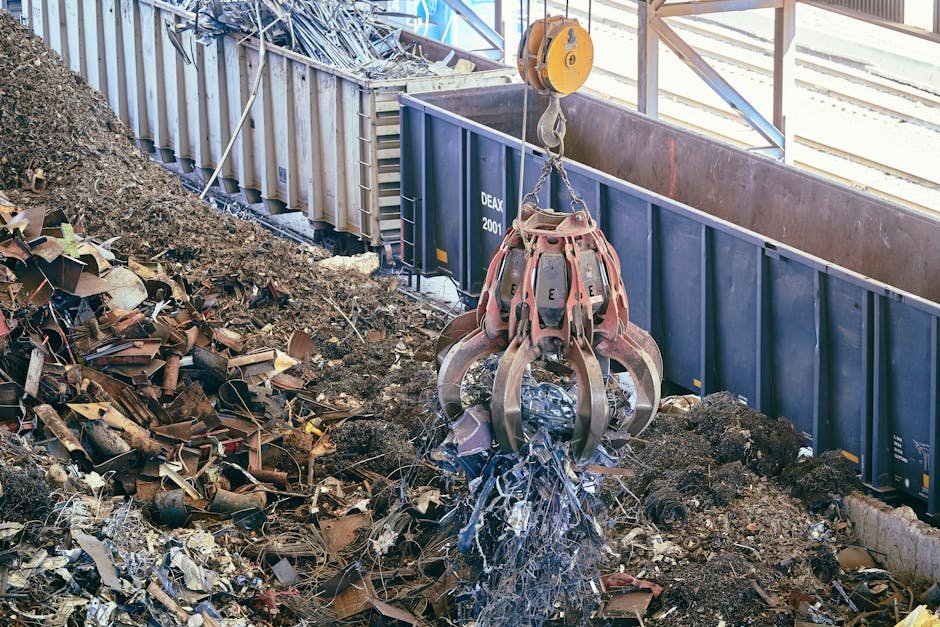

Navigating the complex landscape of the recycling industry requires a deep understanding of how a metal scrap dealer operates within the Australian market. These professionals do more than just buy junk; they are sophisticated commodity traders who must understand global market fluctuations, metallurgical properties, and environmental regulations. For businesses and individuals looking to offload surplus materials, the choice of dealer impacts not only the immediate financial return but also the long-term sustainability of the industrial sector. By engaging with a reputable professional scrap metal service, sellers can ensure their materials are graded accurately and processed according to the highest environmental standards.
The Critical Role of a Metal Scrap Dealer in the Modern Economy
The modern metal scrap dealer serves as the primary gateway to resource recovery. In Australia, the recycling industry contributes billions to the GDP, and much of this value is generated through the efficient aggregation of small-scale waste into industrial-scale feedstock. Dealers utilize advanced technology, such as X-ray Fluorescence (XRF) analyzers, to determine the exact chemical composition of alloys, ensuring that manufacturers receive high-quality secondary raw materials. This precision is what allows for the production of specialized components in the aerospace, automotive, and construction industries using recycled content.
When you search for a Metal Scrap Yard Near Me, you are looking for a facility that offers more than just a weighbridge. You are seeking a partner that understands the nuances of the London Metal Exchange (LME) and how those global benchmarks translate to local Scrap Metal Prices. A dealer’s ability to offer competitive rates is often tied to their processing efficiency—those who invest in high-capacity balers, shears, and granulators can often provide better margins to their clients because they reduce the downstream costs for the smelters.
Understanding Scrap Metal Grades: Ferrous vs. Non-Ferrous
The first step in maximizing value is understanding how a metal scrap dealer categorizes materials. The broadest distinction is between ferrous and non-ferrous metals. Ferrous metals contain iron and are magnetic, while non-ferrous metals do not. While ferrous metals like steel and iron are recycled in massive volumes, non-ferrous metals like copper, brass, and aluminum typically command much higher prices per kilogram due to their unique properties and the energy-intensive nature of their primary extraction.
Ferrous Metal Categories
- Heavy Melting Steel (HMS 1 & 2): This is the backbone of the steel recycling industry. HMS 1 consists of clean steel scrap with a thickness of at least 1/4 inch, while HMS 2 may include thinner materials or those with coatings. These are often sourced from demolition sites and industrial machinery.
- Cast Iron: Found in engine blocks, old pipes, and machinery bases. It is valued for its high carbon content but requires specific processing to remove impurities before it can be used in new castings.
- Light Gauge Steel: This includes household appliances (white goods) and roofing iron. While lower in value due to its volume-to-weight ratio, it is essential for high-volume recycling operations.
Non-Ferrous Metal Categories
Non-ferrous metals are where the most significant financial opportunities lie. A knowledgeable dealer, such as those at Crg Scrap Metal, will meticulously sort these to prevent cross-contamination, which can significantly devalue a load.
- Copper: The “gold” of the scrap world. It is graded from ‘Bright and Shiny’ (the highest purity, typically stripped wire) down to ‘Domestic Copper’ (pipes with solder or paint).
- Aluminum: Highly versatile. Grades include ‘Extrusions’ (window frames), ‘Cast’ (engine parts), and ‘Old Sheet’. Clean aluminum is significantly more valuable than contaminated or painted stock.
- Brass and Bronze: Alloys of copper with zinc or tin. These are often found in plumbing fixtures and marine hardware. Identifying the specific alloy (e.g., Red Brass vs. Yellow Brass) is key to accurate pricing.
The Industrial Recycling Process: From Waste to Raw Material
The journey of metal through a recycling facility is a marvel of modern engineering. Once a metal scrap dealer accepts material, it undergoes a multi-stage transformation designed to maximize purity and ease of transport. This process is detailed further in our Scrap Metal Dealer Guide: Grades, Recycling, Benefits in, but the core stages remain consistent across the industry.
1. Collection and Sorting
Initial sorting is often done manually or with heavy machinery like excavators equipped with magnets or grapples. Magnets easily separate ferrous from non-ferrous streams. For more complex mixtures, eddy current separators are used to repel non-ferrous metals away from non-metallic waste, such as plastics or glass.
2. Shredding and Fragmentation
To prepare metal for the furnace, it must be reduced in size. Massive industrial shredders can consume an entire car in seconds, breaking it into fist-sized chunks. This increases the surface area for the melting process and allows for more efficient mechanical separation of remaining contaminants like foam, rubber, and glass (often referred to as ‘auto shredder residue’ or ASR).
3. Purification and Melting
The shredded metal is loaded into large furnaces, each dedicated to a specific metal type. During the melting phase, purification occurs. For example, in aluminum recycling, a process called ‘fluxing’ is used to remove impurities and oxides that float to the surface as dross, which is then skimmed off. The goal is to reach a chemical specification that matches virgin material.
4. Solidification and Transport
Once purified, the molten metal is cast into ingots, billets, or bars. In some cases, it is formed into large coils. these secondary raw materials are then sold to manufacturers who use them to create new products, completing the loop. This industrial cycle is supported by organizations like ScrapTrade Australia, which help facilitate the connection between suppliers and processors.
Economic Drivers and Global Market Influence
The pricing you receive from a dealer is not arbitrary. It is dictated by a complex web of global economic factors. The London Metal Exchange (LME) serves as the primary benchmark. If there is a surge in infrastructure projects in Asia, the demand for copper and steel rises, pushing up local prices in Australia. Conversely, a slowdown in global manufacturing can lead to a surplus of scrap, causing prices to dip.
Currency fluctuations also play a role. Since metals are traded globally in US Dollars, the strength of the Australian Dollar (AUD) against the USD affects the local payout. A weaker AUD generally means better returns for local sellers when global prices remain steady. Furthermore, the cost of logistics—fuel prices and shipping container availability—can impact the margins a dealer must maintain to remain profitable.
Environmental Benefits: Beyond the Bottom Line
While the financial incentives are clear, the environmental impact of metal recycling is perhaps its most significant contribution to society. Mining virgin ore is an incredibly destructive and energy-intensive process. For example, recycling aluminum saves approximately 95% of the energy required to produce it from bauxite ore. For copper, the energy savings are around 85%, and for steel, about 75%.
Beyond energy, recycling reduces the need for open-pit mining, which destroys habitats and can lead to soil and water contamination through tailings. It also significantly lowers carbon emissions. Every tonne of steel recycled saves 1.5 tonnes of iron ore, 0.5 tonnes of coal, and prevents 1.1 tonnes of CO2 from entering the atmosphere. By choosing to work with a responsible dealer, you are directly participating in the reduction of the global carbon footprint and the preservation of natural landscapes.
Compliance, Safety, and Choosing the Right Dealer
In Australia, the scrap metal industry is strictly regulated to prevent the trade of stolen goods and to ensure environmental safety. Most states have implemented “Cash for Scrap” bans, requiring dealers to pay via electronic funds transfer (EFT) or cheque and to maintain rigorous records of the seller’s identity. When selecting a dealer, ensure they are fully licensed and compliant with these local laws.
Safety is another paramount concern. A professional yard will have clear signage, require high-visibility clothing, and maintain well-organized piles to prevent accidents. They should also have specialized equipment for handling hazardous materials often found in scrap, such as lead-acid batteries or residual fluids in vehicles. Transparency in weighing is also a hallmark of a quality dealer; their scales should be regularly calibrated and certified by government authorities (such as the National Measurement Institute in Australia).
Practical Tips for Maximizing Your Scrap Value
To get the best possible return from your dealer, preparation is key. Mixing different grades of metal will almost always result in the entire load being bought at the price of the lowest-value component. Here are professional tips for preparation:
- Strip Your Wire: Copper wire with insulation is bought as ‘Insulated Copper Cable’ (ICC). Stripping the plastic to reveal the ‘Bright and Shiny’ copper underneath can double or triple the value per kilogram.
- Remove Attachments: If you have aluminum window frames, remove the glass, rubber seals, and steel screws. ‘Clean’ aluminum extrusions command a much higher price than ‘dirty’ ones.
- Separate by Type: Keep your brass, copper, and aluminum in separate bins. Even a small amount of stainless steel mixed into an aluminum load can cause issues during the melting process, leading to price deductions.
- Check for Fluids: If you are scrapping car parts or engines, ensure all oils and coolants are drained. Most dealers will refuse contaminated items or charge a disposal fee.
The Future of Metal Recycling in Australia
The industry is moving toward greater automation and more refined separation techniques. Artificial Intelligence (AI) and robotic sorting arms are beginning to appear in large-scale facilities, allowing for the recovery of even smaller fragments of high-value metals that were previously lost to landfill. As the world shifts toward electric vehicles (EVs), the demand for lithium, cobalt, and high-purity copper is set to skyrocket, presenting new challenges and opportunities for the scrap sector.
The transition to a truly circular economy depends on the continued evolution of the metal recycling industry. By supporting local dealers and following best practices for material preparation, businesses and individuals contribute to a more resilient and sustainable industrial base. Whether you are a construction foreman with tonnes of rebar or a homeowner with an old brass tap, your contribution to the recycling stream is a vital part of protecting Australia’s environmental and economic future.
Conclusion
Engaging with a professional metal scrap dealer is a strategic decision that impacts your financial bottom line and your environmental legacy. By understanding the complexities of metal grades, the rigors of the recycling process, and the drivers of global market prices, you can navigate this industry with confidence. Remember that the highest price isn’t always the only factor; reliability, transparency, and environmental compliance are equally important when choosing a long-term recycling partner. As we move toward a more sustainable future, the role of the scrap dealer will only become more central to our global manufacturing and conservation efforts.
Frequently Asked Questions
What is the difference between ferrous and non-ferrous metals?
Ferrous metals contain iron and are magnetic, such as steel and cast iron, and are generally recycled in high volumes for lower prices. Non-ferrous metals do not contain iron, are not magnetic, and include high-value materials like copper, aluminum, and brass.
Why do scrap metal prices change so frequently?
Prices are primarily driven by the London Metal Exchange (LME) global benchmarks, which fluctuate based on international demand, supply chain stability, and currency exchange rates. Local factors like transport costs and processing efficiency also influence the daily rate offered by dealers.
Can I get cash for my scrap metal in Australia?
In most Australian states, including NSW and Victoria, it is illegal for scrap metal dealers to pay in physical cash to prevent the trade of stolen materials. Payments must be made via traceable methods such as Electronic Funds Transfer (EFT) or crossed cheques.
How can I get the best price for my copper wire?
To maximize value, you should strip the plastic insulation from the wire to sell it as ‘Bright and Shiny’ copper. If the wire is burnt or has solder/attachments, it will be graded lower, so keeping it clean and sorted is essential for the highest payout.