
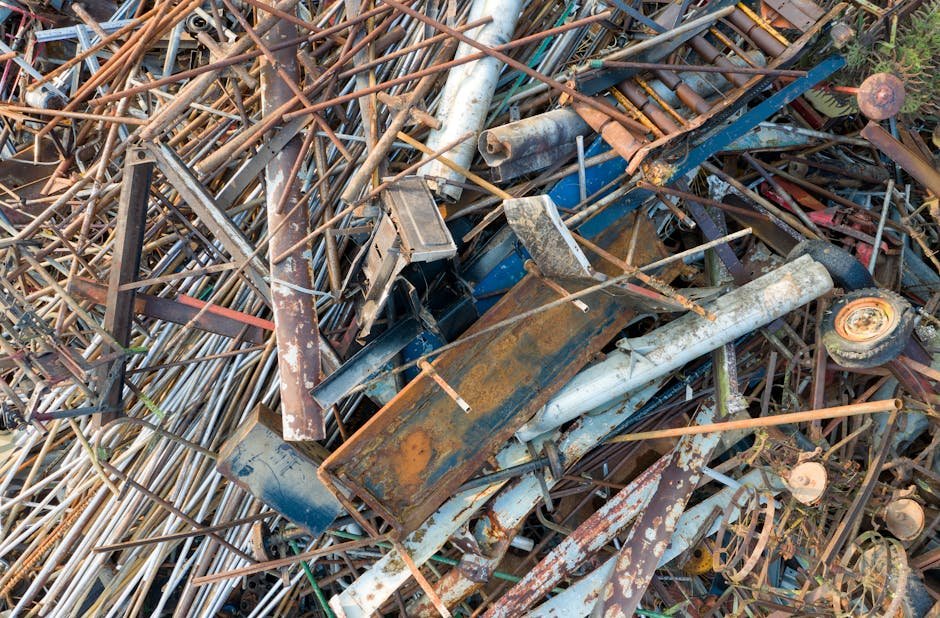

Understanding the current scaffolding scrap price is essential for construction firms, demolition contractors, and site managers looking to maximize their return on investment from site decommissioning. Because scaffolding is a high-volume asset, even minor fluctuations in the price per kg can result in significant financial differences across large-scale projects. As we navigate the complex landscape of industrial recycling, it is vital to recognize that your scrap is not just waste; it is a high-value commodity that requires strategic management. Whether you are dealing with rusted Kwikstage systems or high-grade aluminum tube-and-clamp structures, the market rate is dictated by global supply chains, local demand, and the intrinsic value of the recycled raw materials. For those tracking the broader industry, Understanding Scrap Metal Price: A 2026 Market Guide provides the foundational knowledge required to navigate these volatile market shifts.
How Scaffolding Scrap Price is Determined
The scaffolding scrap price is not a static figure; it is a dynamic value derived from the London Metal Exchange (LME) and adjusted for local Australian logistics and processing costs. When you approach a scrap yard, the price per kg you receive is the result of a “net-back” calculation. This involves taking the global commodity price for steel or aluminum and subtracting the costs of collection, sorting, cleaning, and transport to the smelter. Because scaffolding is bulky, transport costs are a major factor in the final offer. If your scaffolding is contaminated with concrete, plastic fittings, or non-metallic debris, the yard must discount the price to account for the labor required to clean the material. This is where professional site management pays off; segregating your metals at the source ensures you receive the highest possible market rate. As you refine your disposal strategy, consider the long-term trends discussed in our analysis of the Aluminum Scrap Price In 2026, as these trends directly influence how yards price your aluminum scaffolding components.
Metal Grades and Their Impact on Value
Scaffolding is generally manufactured from two primary materials: galvanized steel and structural aluminum. Each has a distinct scrap profile. Steel scaffolding, often found in heavy-duty Kwikstage or modular systems, is heavy and durable. While the price per kg for steel is lower than for non-ferrous metals, the sheer volume of steel scaffolding often makes it a lucrative recovery stream. Conversely, aluminum scaffolding, favored for its lightweight properties and ease of transport, commands a significantly higher price per kg. However, you must be aware of the difference between clean aluminum and contaminated alloys. If your aluminum scaffolding contains steel bolts, rubber feet, or plastic components, it is classified as “dirty” aluminum, which attracts a lower price. For those dealing with mixed metal assets, referencing the Stainless Steel Scrap Price can help you understand how different alloys are valued in the current market. Always aim to strip your scaffolding down to its base metal components before heading to the yard to ensure you are paid for the highest grade possible. You can find reputable partners for this process through professional metal recycling services in Australia.
The Logistics of Scrap Export and Market Timing
Timing your sale is as critical as the quality of your material. The scaffolding scrap price fluctuates daily, influenced by currency exchange rates, shipping availability, and international demand. When the Australian Dollar is weak, exported scrap becomes more competitive, often driving up local prices. Conversely, when shipping lanes are congested, the cost of moving scrap to overseas smelters increases, which can suppress the price per kg offered at the gate. If you are managing a large-scale project with hundreds of tonnes of scrap, you must develop a strategy for market entry. This involves understanding How To Price Scrap For Export Markets to ensure you aren’t leaving money on the table. Many large contractors choose to hold their scrap in a secure yard during low-price cycles and sell when the market trends upward. This requires capital and storage space, but for high-volume operators, it is the most effective way to optimize the total return on their scaffolding assets. Always consult with a trusted expert at Scrap.trade to get real-time insights into when to move your stock.
Environmental Benefits and Circular Economy
Recycling scaffolding is one of the most impactful ways the construction industry can reduce its carbon footprint. Steel and aluminum are infinitely recyclable, meaning they can be melted down and reformed into new products without losing their structural integrity. By recycling your scaffolding, you are contributing to a circular economy that drastically reduces the need for energy-intensive virgin ore mining. Producing aluminum from recycled scrap consumes roughly 95% less energy than producing it from bauxite ore. For steel, the energy savings are equally impressive, often exceeding 70%. Beyond the energy savings, recycling prevents thousands of tonnes of metal from ending up in landfills, where they would otherwise leach heavy metals into the soil and groundwater. As Australian construction firms face increasing pressure to meet ESG (Environmental, Social, and Governance) targets, documenting your scrap recycling efforts provides tangible data for your sustainability reporting. This is no longer just a “nice to have”—it is a core component of modern site management and corporate responsibility.
Best Practices for Site Decommissioning
To maximize the scaffolding scrap price, your site decommissioning process must be systematic. Start by conducting an inventory audit to separate reusable components from end-of-life scrap. Reusable scaffolding holds far more value as a functional asset than as scrap metal, so prioritize resale or rental before considering the recycling bin. Once you have identified the scrap, implement a strict segregation policy on site. Keep aluminum separate from steel, and ensure that all non-metallic attachments are removed. A magnet is your best tool here; if it sticks, it is ferrous steel. If it doesn’t, it is likely aluminum or another non-ferrous alloy. Use clearly marked bins for different metal grades to prevent cross-contamination. When it comes time to transport, use a reputable scrap hauler who provides certified weighing services. Always ask for a copy of the weighbridge docket to verify the weight and the grade classification. By maintaining high standards of site hygiene, you ensure that the yard provides the best possible price per kg for your materials. Remember that volume is your friend; yards are often willing to negotiate better rates for bulk loads of sorted, clean material compared to mixed, dirty scrap delivered in small, sporadic batches.
Future Outlook and Technological Shifts
The scaffolding industry is evolving, and so is the way we handle its waste. We are seeing a rise in “Product as a Service” (PaaS) models, where scaffolding is leased rather than owned, ensuring that the manufacturer retains responsibility for the end-of-life recycling. This shift is likely to stabilize the scaffolding scrap price by creating more predictable supply chains. Furthermore, advanced sorting technologies, such as X-ray fluorescence (XRF) and automated sensor-based sorting, are allowing scrap yards to identify alloys with extreme precision. This means that in the future, even complex scaffolding alloys will be sorted and recycled more efficiently, potentially increasing the value of materials that were previously considered “low grade.” Staying informed about these technological advancements will give you a competitive edge. As the Australian market moves toward a more sustainable future, the value of recovered metal will only continue to rise, making your scrap management strategy a critical pillar of your project’s financial success. Keep a close eye on metal prices today to ensure you are always ahead of the curve.
Related: Stainless Steel Scrap Price
Frequently Asked Questions
What is the primary factor affecting the scaffolding scrap price?
The primary factor is the global commodity market rate for steel or aluminum, which fluctuates based on supply and demand. Local factors such as the purity of the metal, the cost of transport, and the amount of contamination (e.g., concrete or plastic) also significantly influence the final payout.
Should I sell my scaffolding as scrap or as used equipment?
If the scaffolding is still structurally sound and compliant with Australian safety standards, it is almost always more profitable to sell it as used equipment. Only transition to scrap metal once the equipment has reached the end of its functional life or fails safety inspections.
How can I get the best price per kg for my scaffolding scrap?
To get the best price, ensure your scrap is clean, well-sorted by metal type, and free of non-metallic attachments like rubber or plastic. Selling in large, consistent volumes to a reputable yard will also give you more leverage to negotiate a better market rate.
Why does aluminum scaffolding command a higher price than steel?
Aluminum has a much higher intrinsic value as a raw material and is significantly more energy-efficient to recycle compared to steel. Because of these factors, the global market rate for non-ferrous aluminum consistently trades at a higher price per kg than ferrous steel.