
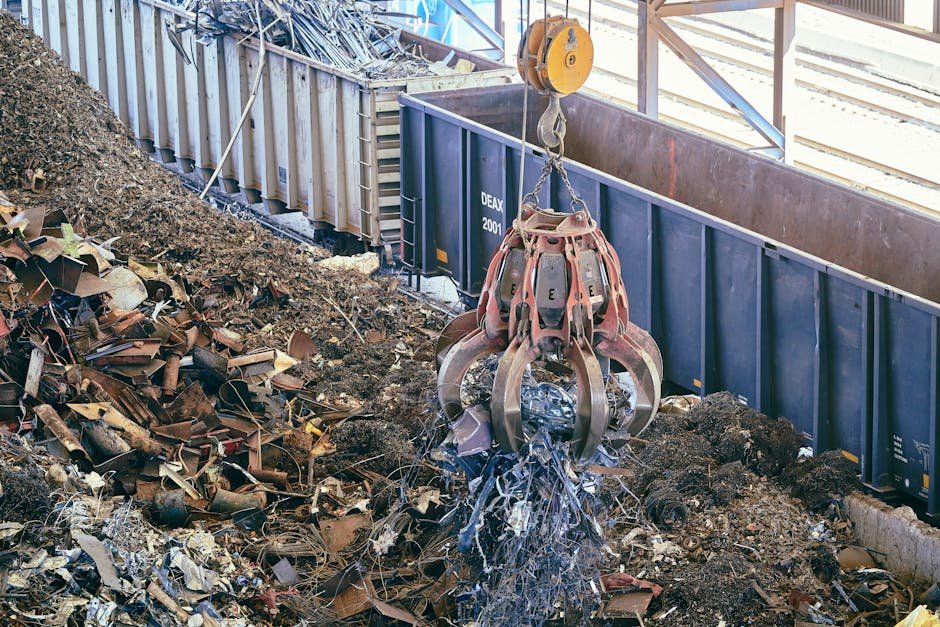

When you decide to collect scrap as a business or a side venture, you are participating in a multi-billion dollar industry that serves as the backbone of the Australian circular economy. Understanding how to collect scrap efficiently requires more than just gathering metal; it demands a deep knowledge of metallurgical properties, market fluctuations, and the logistical realities of transport and processing. Whether you are clearing out industrial sites or managing demolition waste, your ability to identify and segregate material grades determines the financial viability of your operation. As you begin to collect scrap, you must treat every piece of metal as a commodity with a specific market value determined by its purity, alloy composition, and current global demand. This guide serves as your authoritative resource for navigating the complexities of the Australian scrap metal market.
Understanding Metal Grades and Classification
The Australian scrap industry operates on strict international standards for metal grading. To maximize your profit, you must distinguish between ferrous and non-ferrous materials. Ferrous metals, such as iron and steel, are magnetic and generally lower in value per kilogram but higher in volume. Non-ferrous metals—including copper, aluminium, brass, and stainless steel—are where the significant profit margins reside. When you Sell Scrap, the price you receive is dictated by the level of contamination in your load. For example, ‘Clean Copper’ fetches a premium compared to ‘Burnt Wire’ or ‘Copper with Insulation,’ because the latter requires additional processing to remove non-metallic materials.
Aluminium is a critical component of the modern scrap economy. You can find detailed technical specifications and market insights in our guide on Aluminium Scrap: Grades, Recycling Process, and management. Understanding these grades is essential because a single piece of ‘dirty’ aluminium—such as a casting with steel bolts attached—can downgrade your entire batch to a lower price tier. Always aim for clean, homogenous loads. If you are dealing with industrial quantities, invest in a handheld XRF analyzer to verify alloy compositions on-site. This tool removes the guesswork and ensures you are accurately classifying high-value alloys like 6061 or 7075 aluminium, which command significantly higher prices than generic extrusions.
The Lifecycle of Scrap: How Recycling Works
The recycling journey begins at the collection point and ends at the smelter, where metal is returned to its raw state. Once you deliver your material to a facility like Scrap Trade Australia, the material undergoes a rigorous process of weighing, inspection, and sorting. Large-scale facilities use heavy-duty shears, shredders, and magnetic separators to process thousands of tonnes of material daily. Shredding is particularly effective for automotive scrap, where a car is reduced to fist-sized chunks, allowing magnets to pull out the steel while eddy-current separators eject non-ferrous metals like copper and aluminium.
The transformation process is highly energy-efficient. Recycling aluminium, for instance, requires 95% less energy than producing primary aluminium from bauxite ore. This efficiency is why the demand for secondary raw materials remains high regardless of global economic cycles. Once the scrap is shredded and sorted, it is baled into dense, transportable blocks. These bales are then shipped to refineries where they are melted down into ingots or billets. These ingots are the raw building blocks for everything from new construction beams to automotive parts and consumer electronics. By participating in this loop, you are not just clearing space; you are actively contributing to the reduction of mining operations and the preservation of finite natural resources.
Environmental Benefits and Sustainability
The environmental impact of recycling scrap metal cannot be overstated. Every tonne of steel recycled saves over 1,100 kilograms of iron ore, 630 kilograms of coal, and 55 kilograms of limestone. This reduction in primary extraction significantly lowers the carbon footprint of the manufacturing sector. Furthermore, the mining industry is land-intensive; by keeping scrap in the loop, we reduce the need for new open-cut mines, protecting biodiversity and water tables across Australia. When you manage your Scrap responsibly, you are helping to mitigate the environmental degradation associated with traditional metal production.
Beyond raw material savings, recycling reduces the energy intensity of production. Smelting recycled metal produces fewer greenhouse gas emissions compared to the intensive chemical processes required to refine virgin ores. As corporations face increasing pressure to meet ESG (Environmental, Social, and Governance) targets, the demand for recycled metal is skyrocketing. Companies are now prioritizing ‘green steel’ and recycled aluminium to improve their supply chain sustainability. This trend creates a long-term, stable market for those who can reliably collect and supply high-quality, sorted scrap to the industry.
Logistics and Equipment for Large-Scale Collection
Effective scrap collection requires the right equipment. For small-scale operations, a reliable utility vehicle and a set of heavy-duty scales are sufficient. However, as you scale up, you will need to consider the logistics of skip bins and heavy machinery. Providing your clients with on-site bins is the most effective way to ensure a steady supply of material. A well-placed bin at a construction site or workshop prevents scrap from being discarded in general waste, ensuring it enters the recycling stream. Always prioritize safety: use gloves, eye protection, and steel-toed boots when handling sharp metal edges, and be mindful of hydraulic fluids or residual chemicals in industrial equipment.
Strategic placement of your collection points is key. Build relationships with local electricians, plumbers, and demolition contractors. These tradespeople generate consistent volumes of high-value scrap, such as copper piping, electrical wiring, and stainless steel fittings. By offering a reliable pickup service or a convenient drop-off location, you become their preferred partner. Remember that the scrap market is dynamic; keep track of the London Metal Exchange (LME) prices to understand how global trends impact local rates. Timing your sales to coincide with market peaks can significantly increase your annual profitability. Furthermore, maintain clean records of your transactions; professional buyers value suppliers who can provide consistent, high-quality material with minimal impurities.
Overcoming Common Challenges in the Scrap Industry
One of the biggest hurdles for scrap collectors is contamination. Whether it is plastic insulation on copper wire or lead-acid batteries mixed with steel, contamination forces recyclers to spend time and money on further processing, which is deducted from your payout. To combat this, implement a strict ‘source segregation’ policy. Use color-coded bins for different metal types at your collection site. Train your staff or partners on how to identify metals—a simple magnet test is your first line of defense. If a magnet sticks, it is ferrous; if it doesn’t, you are likely looking at a more valuable non-ferrous metal.
Another challenge is the regulatory landscape. Australia has stringent environmental regulations regarding the handling of hazardous waste, such as lead-acid batteries, e-waste, and mercury-containing components. Ensure you are fully compliant with local state regulations regarding the storage and transport of these items. Unauthorized handling of hazardous materials can lead to heavy fines and loss of your trading license. Always partner with certified downstream processors who can provide certificates of recycling. This documentation is not only a legal requirement in many jurisdictions but also a powerful marketing tool when you are pitching your services to corporate clients who need proof of their waste management compliance.
The Future of Metal Recycling in Australia
The Australian scrap industry is currently undergoing a digital transformation. We are seeing the rise of real-time pricing platforms, blockchain-based material tracking, and advanced automated sorting technologies. As a scrap collector, staying ahead of these trends will provide a competitive edge. Focus on transparency and reliability. The days of ‘cash-in-hand’ operations are being replaced by professional, data-driven businesses that provide detailed reports to their suppliers. By adopting modern accounting software and inventory management systems, you can track your margins, identify your most profitable sources, and optimize your collection routes for fuel efficiency.
Furthermore, the shift toward a circular economy is being driven by government policy. Increased landfill levies and stricter waste regulations are making it more expensive to dump material, which in turn makes recycling more economically attractive. We are also seeing a surge in demand for specialized recycling, such as recovering rare earth metals from electric vehicle batteries and solar panels. Positioning your business to handle these emerging waste streams will ensure your long-term relevance. The goal is to evolve from a simple collector into a comprehensive resource management partner. By providing value-added services like site clean-ups, hazardous waste disposal, and detailed sustainability reporting, you can secure long-term contracts with major industrial players, ensuring a steady and profitable stream of business for years to come.
In conclusion, the decision to collect scrap is a commitment to both profitability and environmental stewardship. By mastering the grades, investing in proper sorting techniques, and maintaining professional relationships with certified recycling facilities, you can build a sustainable and highly lucrative business. The Australian market is hungry for quality secondary raw materials, and the infrastructure is ready to support those who can deliver. Stay informed, stay safe, and keep your materials clean to ensure you get the best possible return on every tonne of metal you process.
Frequently Asked Questions
What is the most effective way to identify different types of scrap metal?
The most effective method is using a combination of a strong magnet and visual inspection. If a magnet sticks, the metal is ferrous (like steel or iron); if it does not, it is likely a non-ferrous metal such as copper, aluminium, or brass.
Why does the grade of scrap metal affect the price I receive?
Price is determined by the purity and ease of processing the metal. Contaminants like plastic, rubber, or other alloys require extra labor and energy to remove, which lowers the overall value of the batch compared to clean, homogenous material.
Is it necessary to have a license to collect scrap in Australia?
Regulations vary by state and the volume of material you handle. It is essential to check with your local council and state environmental protection agency to ensure you are compliant with waste handling and transport laws.
How can I maximize my profit when selling scrap metal?
Maximize profit by keeping your scrap clean and well-sorted before arriving at the recycling facility. Building a long-term relationship with a reputable buyer and monitoring market price trends will also help you time your sales for the best returns.