

When searching for scrap steel near me, you are entering a sophisticated global commodities market that underpins the Australian construction and manufacturing sectors. Whether you are a tradesperson clearing a site or a homeowner with a pile of rusted iron, understanding the nuances of ferrous metal management is essential for maximizing your return and ensuring environmental compliance. This guide serves as your authoritative resource for navigating the local landscape of recycling, helping you distinguish between grades like mild steel and heavy structural, and providing the insight needed to engage with a local scrap yard effectively.
Understanding Ferrous Metal Grades and Classification
Not all steel is created equal, and in the world of industrial recycling, grading is the primary factor determining the steel price per tonne. Ferrous metals, which contain iron and are magnetic, are categorized based on their chemical composition, thickness, and level of contamination. The most common category you will encounter is mild steel, which is low-carbon and highly recyclable. When you look for a nearby recycler, they will typically classify your load into specific grades to streamline the melting process in electric arc furnaces.
Heavy Melting Steel (HMS): This is the gold standard for scrap. HMS 1 and 2 are defined by their thickness and size. HMS 1 consists of structural steel and plates that are at least 6mm thick, while HMS 2 includes thinner materials like light structural steel. To get the best price, ensure your material is cut to size—typically under 1.5 meters—to fit into the processing equipment. If you are preparing to Sell Scrap, sorting your HMS from lighter gauge steel is the fastest way to increase your payout.
Light Iron and Sheet Metal: This grade includes white goods, fencing, and non-structural piping. It is less dense and often carries a lower price per tonne because it requires more energy to compress into bales. If you are searching for scrap steel near me, remember that local yards are often equipped with balers specifically for this material. Keeping this separate from your heavy structural steel prevents your entire load from being downgraded to a lower price bracket.
Turnings and Borings: If you operate a machine shop, you are likely generating significant amounts of steel shavings. These are high-surface-area materials that oxidize quickly. Because they are difficult to melt without significant loss, they are graded differently. Always check with your Australian scrap metal experts regarding the moisture content of your turnings, as cutting fluids can lead to deductions in your final payment.
The Lifecycle of Steel Recycling: From Yard to Mill
Recycling is not merely about dumping metal; it is a precision-engineered industrial process. When you transport your load to a local scrap yard, the material undergoes a rigorous journey. First, the metal is weighed on certified weighbridges. This is the moment of truth for your scrap steel near me search, as accurate weight verification ensures transparency. Following the weighing process, the metal is inspected for contaminants like plastic, rubber, or hazardous waste. Contamination is the primary cause of rejected loads, so pre-sorting is a non-negotiable step for any serious recycler.
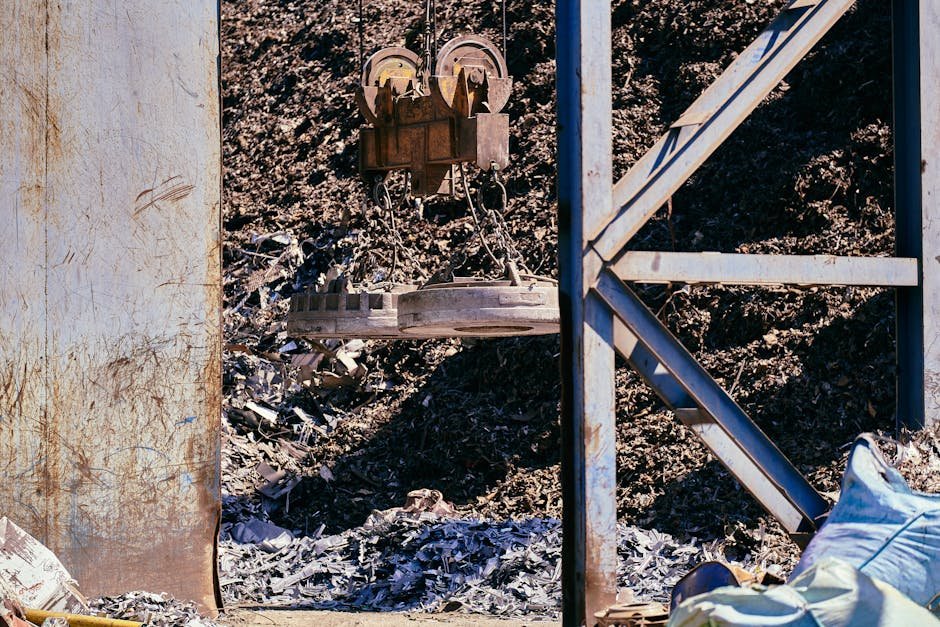
Once accepted, the scrap undergoes processing. Shears and shredders reduce the size of the metal, making it easier to transport and melt. Large-scale magnets are then used to separate ferrous metals from non-ferrous impurities. This secondary sorting ensures that the final product meets the metallurgical standards required by steel mills. For a deeper dive into these technical requirements, refer to our Scrap Steel Market Guide: Grades, Recycling & Prices 2024. The resulting high-quality scrap is then fed into electric arc furnaces (EAFs), which use high-voltage electricity to melt the metal, allowing it to be cast into new billets, beams, or sheets.
The efficiency of this cycle is staggering. Steel is 100% recyclable without any loss of quality, meaning a steel beam from a 1950s building can be recycled into a modern skyscraper component. This circularity is the backbone of the Australian steel industry, significantly reducing the energy intensity of production compared to refining virgin iron ore. By participating in this system, you are directly contributing to a reduction in carbon emissions and landfill waste.
Environmental Benefits and Economic Drivers
The environmental case for recycling steel is undeniable. Producing steel from recycled scrap requires approximately 75% less energy than producing it from raw iron ore. This energy saving translates directly into a massive reduction in greenhouse gas emissions. Furthermore, recycling avoids the environmental degradation associated with open-pit mining, such as habitat loss and water pollution. When you choose to utilize a local pickup service or visit a nearby facility, you are participating in a global effort to preserve natural resources.
Economically, the market is driven by global demand for finished steel. When construction projects in Asia or the Middle East ramp up, the demand for Australian scrap rises, which in turn pushes up the steel price per tonne locally. Understanding these market cycles allows you to time your sales for maximum profitability. For those dealing with large industrial volumes, Gmr Scrap solutions offer tailored logistics to ensure your site remains clear and your scrap is monetized efficiently. Always stay informed about domestic and international steel trends to ensure you are getting the best value for your materials.
Best Practices for Preparing Your Scrap
Preparation is the difference between a profitable trip to the yard and a wasted journey. First, maximize your density. A trailer full of bulky, un-cut steel is less valuable than the same weight of dense, cut-to-size scrap. If you have the equipment, cutting long beams into manageable lengths will often move your material from a ‘mixed’ category into a ‘prepared’ category, which commands a higher price.
Second, remove non-metallic attachments. Bolts, hinges, and plates are fine if they are steel, but wood, plastic, and concrete are considered ‘dirt’ or ‘waste’ by recyclers. Most facilities will charge a disposal fee for non-metallic debris, or simply reject the load entirely. A clean, sorted load is processed faster, meaning you get paid faster. If you are struggling to manage large volumes, many facilities offer Scrap bin services where you can store your material until you have a full load ready for pickup.
Third, understand the logistics of local pickup. If you are a business owner, you cannot afford to have scrap cluttering your workspace. Coordinating a scheduled pickup with a reputable recycler ensures that your site stays OSHA-compliant and efficient. When requesting a pickup, provide accurate estimates of the volume and the type of material. This allows the yard to send the appropriate vehicle, whether it is a small truck or a large hook-lift bin, saving you time and money on transport costs.
Navigating the Australian Scrap Market
The Australian market is unique due to its geography. Because of the vast distances between regional centers and major export hubs, logistics costs are a significant factor in the scrap price. This is why finding a recycler that is geographically close—or one that has a robust logistics network—is vital. A nearby recycler can often offer more competitive rates because their transport overheads are lower. Always ask about their current pricing structures and whether they offer volume-based incentives.
When you are looking for scrap steel near me, look for companies that are transparent about their pricing and their environmental certifications. A legitimate recycler will have clear signage, certified scales, and a professional team that can explain how your material is graded. Avoid ‘cash-in-hand’ operators who lack proper weighing equipment or environmental permits, as these entities often operate outside of the regulatory framework and rarely offer fair market value for your material. By building a relationship with a professional yard, you gain a partner who can help you optimize your scrap management long-term.
The Future of Steel Recycling: Innovation and Sustainability
The steel industry is currently undergoing a massive transformation toward ‘Green Steel’. This involves using hydrogen-based reduction and renewable energy to power the melting process. As this technology matures, the demand for high-quality, pre-sorted scrap will only increase. Your role as a scrap generator is becoming increasingly critical to the supply chain. By keeping your scrap clean and properly sorted, you are essentially providing the raw material for the next generation of sustainable infrastructure.
Furthermore, digital tracking and blockchain technology are beginning to enter the recycling sector. Soon, you may be able to track your scrap from your site all the way to the mill, providing verifiable data on your contribution to carbon reduction. This is a powerful tool for companies looking to improve their ESG (Environmental, Social, and Governance) reporting. Whether you are a small-scale recycler or a large industrial firm, the trend is clear: the future belongs to those who view scrap not as waste, but as a valuable, renewable resource.
Conclusion: Taking Action Today
The search for scrap steel near me is the first step toward a more profitable and sustainable operation. By learning to identify your steel grades, preparing your material correctly, and partnering with reputable recycling facilities, you turn a potential liability into a revenue stream. Remember that the market is dynamic, and staying informed about price trends and industry developments will keep you ahead of the curve. Whether you are clearing out a workshop or managing a large construction site, the principles of professional scrap management remain the same: sort, clean, and sell with confidence. Start your journey today by contacting a certified recycler and getting the most out of your ferrous waste.
Frequently Asked Questions
How do I determine the current price of my scrap steel?
Scrap steel prices fluctuate based on global demand, local logistics, and the specific grade of your metal. It is best to contact your local recycler directly or check live market trackers to get a quote based on the current steel price per tonne.
Does it matter if my scrap steel is rusty?
Surface rust is generally acceptable and expected for most scrap steel grades. However, if the rust has caused significant structural degradation or if the metal is heavily corroded to the point of being brittle, it may be downgraded in value.
What items are considered ‘clean’ scrap steel?
Clean scrap is free from non-metallic attachments like wood, plastic, concrete, glass, or hazardous materials like oil and chemicals. Removing these contaminants before you arrive at the yard ensures you receive the maximum payout for your load.
Can I get a bin for my site to collect scrap?
Yes, most professional scrap metal recyclers offer bin services for businesses and construction sites. This allows you to accumulate large quantities of scrap and schedule a convenient pickup once the bin is full.