

Navigating the complex landscape of buying metal recycling requires a deep understanding of how raw materials flow through the Australian economy. Whether you are an industrial contractor looking to offload site waste or a recycling entrepreneur, the process of buying metal recycling is governed by global commodity prices, strict environmental compliance, and the logistical efficiency of your chosen partner. This guide provides the definitive framework for engaging with the industry, ensuring you maximize value while adhering to the highest standards of safety and sustainability. For a broader look at the industry landscape, consult our Ultimate Guide to Scrap Metal Recycling in Australia to understand the regulatory environment and market cycles.
Understanding the Role of the Professional Scrap Buyer
A professional scrap buyer is more than just a middleman; they are a critical node in the circular economy. When you engage in the process of buying metal recycling, you are essentially participating in a global supply chain where copper, aluminium, steel, and precious metals are recovered to reduce the need for virgin mining. Trusted dealers operate with transparency, utilizing calibrated scales and verified grading systems to ensure fair pricing. Unlike informal operators, certified scrap buyers are required to comply with the Australian Consumer Law and state-based environmental protection agency (EPA) guidelines. This regulatory oversight protects the seller and the environment, ensuring that hazardous materials are handled according to strict safety protocols. When looking for a partner, start by searching for Metal Recycling Near Me to find local facilities that offer competitive rates and professional service. The credibility of your buyer is the most important factor in ensuring long-term profitability and compliance.
How Pricing Works in the Metal Recycling Market
Pricing in the scrap metal industry is highly volatile and influenced by the London Metal Exchange (LME). Because Australia is a price-taker in the global market, the value of your scrap can shift daily based on international demand, particularly from manufacturing hubs in Asia. Buying metal recycling at the right price point requires monitoring these trends. Trusted dealers provide pricing based on the purity, volume, and preparation of the metal. For example, clean, bright copper wire will always command a higher price than copper contaminated with insulation or solder. To optimize your returns, you must understand the difference between ferrous (iron-based) and non-ferrous (copper, brass, aluminium) metals. Ferrous metals are typically sold in bulk by the tonne, while non-ferrous metals are valued by weight and rarity. Always ask your buyer for their current price sheet and confirm whether they offer spot pricing or contract-based rates for regular supply volumes. For those managing large industrial sites, Core Metal Recycling services provide the logistical support needed to handle high-volume scrap streams efficiently.
Identifying Trusted Dealers and Industry Standards
Not all scrap yards are created equal. The most successful participants in the market prioritize working with trusted dealers who provide detailed weigh-in reports and transparent transaction histories. A reputable buyer will be able to demonstrate their commitment to the environment through ISO certifications or membership in industry bodies like the Australian Council of Recycling (ACOR). When evaluating a potential partner, look for signs of operational maturity: clean yards, clearly marked signage, calibrated scales that are visible to the public, and professional staff who can explain the grading process. Avoid dealers who are unwilling to provide documentation or who offer prices significantly above the market average, as these are often red flags for illegal or unethical practices. If you are specifically looking for verified service providers in your region, tools like Scrap Metal Recycling Near Me are essential for filtering out unlicensed operators. Building a relationship with a reliable buyer can lead to better pricing tiers and priority service during high-demand periods.
The Operational Process: From Collection to Processing
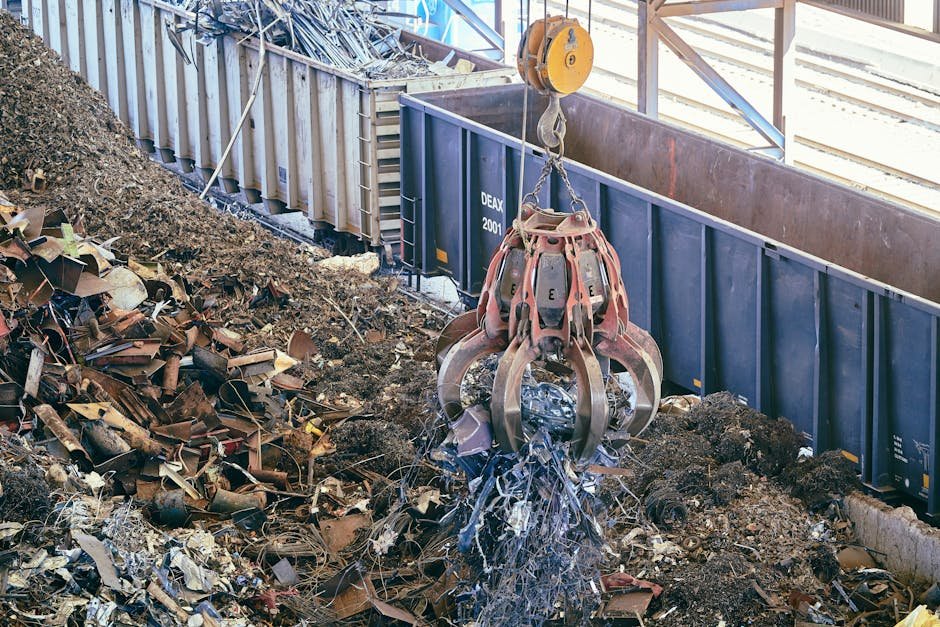
The operational cycle of metal recycling begins with collection and segregation. Efficiency here is the key to profit. If you are managing a demolition or manufacturing site, segregating your scrap at the source is the single most effective way to increase your payout. Mixing stainless steel with carbon steel, or aluminium with lead, creates ‘contaminated’ loads that fetch lower prices. Once the metal is collected, it is transported to a facility where it undergoes mechanical processing. This includes shredding, shearing, and baling, which reduces the volume of the material for cost-effective transport to smelters. For comprehensive insights into how these facilities operate, visit Scrap Trade for industry-leading resources. The final step involves the smelting process, where the metal is purified and cast into ingots for new industrial use. Understanding this lifecycle helps you appreciate why preparation matters; the cleaner your material, the less energy and effort the buyer must expend to process it, which directly translates to a higher price for you.
Logistics and Site Management for Industrial Scrap
For businesses generating consistent scrap, logistics is just as important as the price per tonne. Effective site management involves the strategic placement of bins and the scheduling of regular pick-ups to prevent site clutter and safety hazards. Trusted dealers often provide specialized bins or roll-off containers at no cost to regular clients. When negotiating a contract, ensure that the logistical costs—such as transport, bin rental, and labour—are transparently outlined. In some cases, it may be more profitable to invest in your own baling or compacting equipment if your output is high enough, as this significantly reduces transport costs by increasing the density of your loads. Always prioritize safety; ensure that your staff are trained in handling heavy metals and that your storage areas are designed to prevent run-off or contamination of the surrounding environment. For professional advice on managing these logistics, you can explore the resources at Scrap Trade Australia to connect with experts who specialize in industrial waste solutions.
Future Trends in the Australian Scrap Market
The Australian metal recycling market is currently undergoing a significant transformation driven by the push for a circular economy and stricter export regulations. The federal government’s focus on domestic processing means that more scrap is being refined within Australia rather than being shipped overseas as raw waste. This shift is creating new opportunities for businesses to partner with local refineries, potentially stabilizing prices and reducing the carbon footprint of the recycling process. Emerging technologies, such as automated optical sorting and AI-driven grading, are also making the process of buying metal recycling more accurate and efficient. As a participant in this market, staying informed about these trends is vital. Keep an eye on policy changes regarding waste export bans and the development of new manufacturing hubs that utilize recycled content. By positioning your business to support these local supply chains, you can ensure long-term viability and contribute to a more sustainable industrial future for Australia.
Conclusion: Maximizing Value Through Strategic Partnerships
Success in the scrap metal industry is not just about the daily price of copper or aluminium; it is about building a robust, transparent, and efficient supply chain. By choosing to work with trusted dealers, investing in proper on-site segregation, and keeping a close eye on global market indicators, you can turn your waste stream into a significant revenue source. The process of buying metal recycling is a cornerstone of the modern industrial economy, and those who approach it with professionalism and strategic foresight will always find a competitive advantage. Leverage the tools and networks available to you, maintain high standards for your material quality, and continue to educate yourself on the evolving regulatory and technological landscape. Whether you are a small business owner or a large-scale industrial operator, the path to success in metal recycling is built on the foundation of reliable partnerships and a commitment to excellence in every transaction.
Frequently Asked Questions
How do I ensure I am getting a fair price for my scrap metal?
Always check the current London Metal Exchange (LME) prices for your specific metal grade and compare them against quotes from at least three different trusted dealers. Ensure your scrap is clean and sorted by metal type, as contaminated loads will always be valued lower.
What is the difference between ferrous and non-ferrous metals?
Ferrous metals contain iron, such as steel and iron, and are magnetic and typically sold in bulk. Non-ferrous metals, including copper, aluminium, brass, and lead, are non-magnetic, generally more valuable, and priced based on their purity and market rarity.
Why is it important to segregate my scrap metal?
Segregation prevents cross-contamination, which allows buyers to process the material more efficiently and pay you a higher premium. Mixed loads are often graded at the price of the lowest-value metal in the pile, resulting in significant financial loss.
What documentation should I expect from a professional scrap buyer?
A professional buyer should provide a weigh-in docket that clearly states the type of metal, the weight, the price per unit, and the total payout. For larger industrial transactions, they should also provide environmental compliance certificates and safety documentation.