
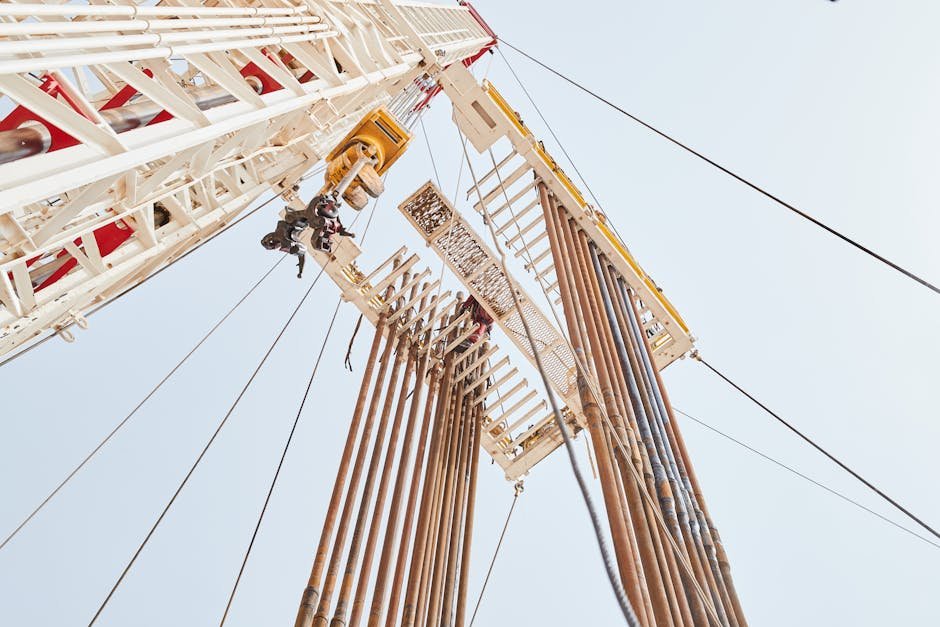

When navigating the complexities of the Australian metal recycling sector, adopting an al goze industrial first mindset is essential for businesses aiming to scale operations sustainably. By focusing on industrial-grade feedstock, traders can bypass the volatility associated with residential collection and instead rely on consistent, high-purity scrap streams. This strategic shift is not merely about volume; it is about establishing a procurement framework that values purity, sorting accuracy, and logistical synergy. In a market where contamination can erode margins by up to 30%, the al goze industrial first philosophy dictates that every piece of metal must be assessed for its end-use potential before it even reaches the facility floor. Whether you are dealing with copper, aluminum, or complex alloys, the industrial-first approach ensures you remain competitive against global market fluctuations while adhering to the stringent environmental standards required in Australia.
The Core Pillars of Industrial Scrap Procurement
Successful procurement in the Australian market requires a deep understanding of supply chain dynamics. To excel, you must consult our Industrial Scrap Procurement Strategy Guide, which outlines how to secure long-term contracts with demolition firms, manufacturing plants, and infrastructure projects. The primary challenge in industrial procurement is the lack of transparency in secondary markets. Traders often fail because they treat industrial scrap as a commodity without considering the specific metallurgical requirements of the end-user. By implementing a rigorous testing protocol, you can determine the exact alloy composition of your feedstock, allowing you to command premium pricing. Furthermore, building direct relationships with site managers is more effective than relying on third-party aggregators. This direct line of communication provides early access to high-value decommissioning projects, giving you a distinct advantage over competitors who wait for scrap to hit the open market. Remember, high-quality material is rarely found in the open; it is cultivated through consistent, professional engagement with industrial partners who prioritize safety and environmental compliance.
Optimizing Margins Through Advanced Sorting and Processing
Profitability in the scrap industry is won or lost on the sorting line. If your operation is not achieving maximum yield, you are likely failing to account for the hidden costs of contamination. Our Industrial Scrap Margin Optimisation Guide provides the technical roadmap for reducing overheads and increasing the value of every ton processed. Modern recycling facilities in Australia are increasingly moving toward automated sorting technologies, such as X-ray fluorescence (XRF) and optical sorting, to identify alloy grades that are indistinguishable to the naked eye. While the upfront investment is significant, the reduction in labor costs and the increase in material purity provide a rapid return on investment. Furthermore, understanding the nuances of metal markets—such as the LME (London Metal Exchange) influence on Australian domestic pricing—is critical. You must hedge your positions effectively and understand when to hold inventory versus when to liquidate. By integrating refined processing techniques with a data-driven approach to market timing, you transform your business from a traditional yard into a high-performance material recovery center. Visit Scrap Trade to stay updated on real-time market data and processing trends.
Navigating the Export Landscape for Industrial Cable
For many Australian recyclers, the domestic market is only one part of the equation. Exporting high-value scrap, particularly industrial cable, requires a thorough understanding of international compliance, shipping logistics, and environmental regulations. Our Industrial Cable Scrap Export Guide serves as the industry standard for managing cross-border transactions. When exporting, the primary risk is non-compliance with the Basel Convention or the specific import requirements of destination countries, which can lead to costly delays or cargo rejection. Proper stripping and cleaning of cable are mandatory; any residual insulation or contaminants can result in the entire shipment being classified as hazardous waste. Moreover, the logistical costs—including container freight, insurance, and port handling—must be factored into your margin calculations at the point of origin. By standardizing your packaging and documentation processes, you can streamline customs clearance and build a reputation as a reliable supplier to international smelters. This reliability is your greatest asset in the global market, allowing you to secure better shipping rates and priority handling at major ports.
Selecting the Right Partner: The Australian Buyer Landscape
Choosing the right buyer is the final, and perhaps most critical, step in the scrap lifecycle. Not all buyers are created equal, and the wrong partnership can stifle your growth. Our Industrial Scrap Buyer Guide: Australia’s Trusted Metal helps you vet potential partners based on their financial stability, processing capabilities, and commitment to ethical sourcing. A trusted buyer should offer transparent pricing, timely payments, and, most importantly, a clear understanding of the environmental impact of their operations. In Australia, the shift toward a circular economy means that buyers are under increasing pressure to prove the provenance of their material. By aligning your business with buyers who prioritize sustainability, you not only ensure regulatory compliance but also position yourself to participate in future government-backed green initiatives. When vetting a buyer, look for those who provide detailed settlement reports, as these are essential for your own internal auditing and tax reporting. Avoid buyers who offer ‘off-the-books’ deals, as the long-term risk to your business license far outweighs any short-term gain. For specialized local services, check out Scrap Trade Australia to connect with vetted industry professionals.
Building Operational Resilience in a Volatile Market
The Australian scrap industry is inherently cyclical, prone to sudden shifts in global demand and logistical bottlenecks. To build resilience, you must diversify your revenue streams. Do not rely solely on one type of metal or one specific buyer. Instead, create a balanced portfolio of industrial scrap—copper, aluminum, stainless steel, and specialized alloys. This diversification acts as a hedge against sector-specific downturns. Additionally, investing in your own fleet or long-term logistics contracts can protect you from the volatility of third-party shipping rates. Operational resilience also means investing in your workforce. Skilled operators who understand the difference between high-grade and low-grade alloys are more valuable than any automated machine. Implement regular training programs to ensure your team is up-to-date with the latest safety protocols and material identification techniques. Finally, maintain a robust digital footprint. In today’s market, your online presence is your storefront. Ensure your business is easily discoverable, provides clear information about your services, and showcases your commitment to quality. By combining physical operational excellence with a strong digital strategy, you ensure that your business remains the ‘first choice’ for industrial partners across the country.
Future Trends: Automation and the Circular Economy
The future of the Australian industrial scrap market is inextricably linked to technological advancement and the global transition toward a circular economy. We are seeing a rapid shift toward ‘smart’ recycling, where IoT-enabled bins and tracking systems provide real-time data on scrap generation rates at industrial sites. This allows recyclers to optimize collection routes and timing, significantly reducing carbon footprints and operational costs. Furthermore, the push for ‘green steel’ and recycled aluminum in the automotive and construction sectors is driving demand for high-purity scrap that can be fed directly into electric arc furnaces. Recyclers who can guarantee the metallurgical composition of their output will become indispensable partners to manufacturers. As Australia continues to tighten its environmental regulations, the ability to provide ‘cradle-to-cradle’ documentation will become a competitive necessity. Those who embrace these changes now will lead the market, while those who remain stagnant will find it increasingly difficult to compete. The path forward is clear: integrate technology, prioritize transparency, and maintain an unwavering focus on quality. By doing so, you secure your place in the future of the Australian industrial scrap economy.
Frequently Asked Questions
What is the primary benefit of an al goze industrial first approach?
The primary benefit is the focus on high-purity, consistent scrap streams which reduces contamination risks and increases profit margins. By prioritizing industrial sources, businesses avoid the volatility of residential scrap and build more reliable, long-term supply chains.
How does sorting technology impact industrial scrap profitability?
Advanced sorting technologies like XRF allow for precise alloy identification, which significantly increases the value of your material. By reducing the presence of contaminants, you can command premium prices from smelters and minimize the risk of shipment rejections.
Why is documentation important for exporting industrial cable?
Proper documentation is essential to comply with international regulations like the Basel Convention and to clear customs without delays. Accurate paperwork proves the provenance and quality of the material, which is critical for maintaining long-term relationships with international buyers.
How can I ensure I am working with a trusted scrap buyer in Australia?
A trusted buyer should offer transparent pricing, provide detailed settlement reports, and demonstrate a clear commitment to environmental compliance. Always verify their history and ensure they operate within the regulatory framework of the Australian recycling industry.