

Understanding the scrap aluminum price is essential for anyone involved in the metal recycling industry, from individual collectors to industrial manufacturers. As Australia moves toward a more circular economy, the value of recovered aluminum has become a critical economic indicator. Whether you are looking at the Current Price of Scrap Aluminum Per Kg: A Comprehensive Guide, it is clear that market volatility is the new normal. Aluminum is unique because it can be recycled infinitely without losing its inherent properties, making it one of the most valuable commodities in the scrap trade. By analyzing the Aluminum Scrap Price In 2026, we can see a trend toward higher demand for high-purity secondary aluminum, driven by the automotive and construction sectors’ push for sustainable materials. For those tracking the broader metal market, it is helpful to compare these figures against the Stainless Steel Scrap Price to understand how different metal categories perform under similar macroeconomic pressures. When you are ready to sell, checking the Aluminum Scrap Price Per Kg Australia 2026 All Grades ensures you are getting a fair market rate for your specific material type.
How Global Markets Determine Your Local Scrap Aluminum Price
The price you receive at the weighbridge is not arbitrary; it is the result of a complex global pricing mechanism. The primary benchmark for all aluminum trading is the London Metal Exchange (LME). The LME sets the global spot price, which represents the cost of primary aluminum ingots. However, the scrap aluminum price you see at your local yard is a derivative of this price, adjusted for processing costs, logistics, and regional demand. When the LME price rises, local yards generally increase their buying rates, but they must also account for the cost of energy, labor, and transport. In Australia, the exchange rate between the AUD and the USD plays a massive role, as most global metal contracts are denominated in US dollars. If the AUD is weak, imported aluminum becomes more expensive, which can sometimes boost the value of local scrap as domestic recycling becomes more cost-effective. Furthermore, the grade of the scrap is the single biggest factor in determining the final price per kg. Clean, high-purity aluminum, such as 6063 extrusions or clean cast aluminum, will always command a higher price than contaminated materials like ‘twitch’ (mixed aluminum) or aluminum cans that still contain food residue. For professional insights into current trends, you can visit Scrap Trade to stay updated on market shifts. Additionally, for those operating in the Australian domestic market, local aggregators like Scrap Trade Australia provide localized pricing data that reflects regional supply chain conditions.
Understanding Aluminum Grades and Their Impact on Value
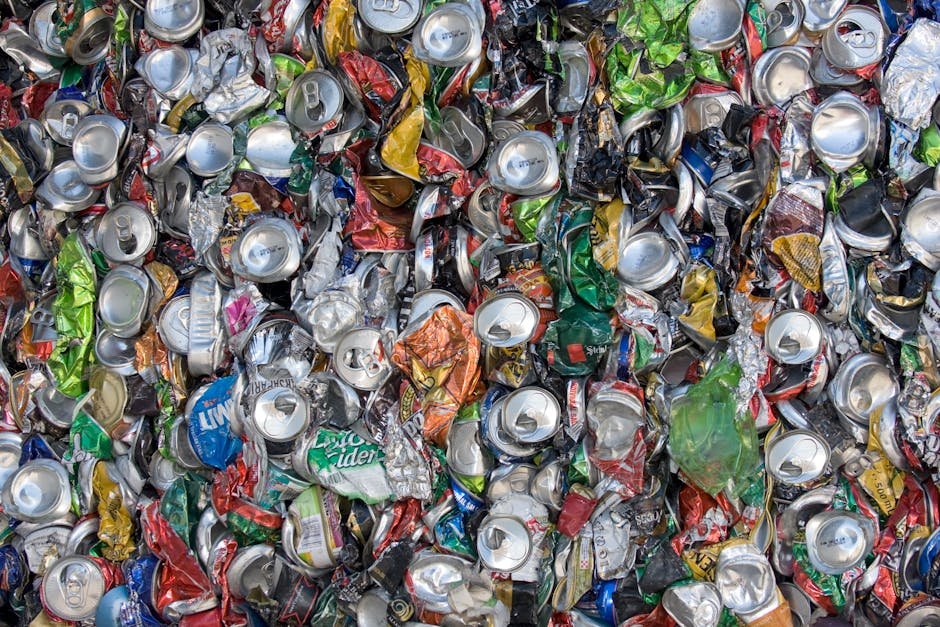
To maximize your returns, you must understand how recyclers grade aluminum. Not all aluminum is created equal. The alloying elements—such as magnesium, silicon, copper, and zinc—determine the physical properties of the metal and, consequently, its scrap value. 1. Extruded Aluminum (6063): This is typically found in window frames, door frames, and architectural components. It is highly sought after because it is relatively pure and easy to re-melt into new extrusions. 2. Cast Aluminum: Found in engine blocks, gearboxes, and lawnmower housings. Cast aluminum contains high levels of silicon, which makes it harder but lowers its value compared to pure wrought alloys. 3. Aluminum Cans (UBCs): Used Beverage Containers are a high-volume commodity. While the price per kg is lower than industrial scrap, the sheer volume makes them a staple for recycling centers. 4. Aluminum Wire/Cable: Often found in electrical infrastructure, this is highly valuable if it is clean and free of steel cladding or plastic insulation. 5. Mixed Aluminum (Twitch): This is the ‘catch-all’ category. It often contains a mixture of different alloys and contaminants. Because it requires significant processing to separate the alloys, it commands the lowest price. When you bring your scrap to the yard, the operator will perform a visual inspection. Using a handheld X-ray fluorescence (XRF) analyzer, they can instantly determine the alloy composition. If you want to get the best price, you should always aim to segregate your scrap by grade before arriving at the yard. Mixing high-grade extrusions with low-grade cast aluminum will result in the entire load being downgraded to the lowest common denominator price.
The Environmental and Economic Benefits of Recycling
Recycling aluminum is one of the most effective ways to reduce industrial energy consumption. Producing primary aluminum from bauxite ore via the Bayer process and subsequent electrolysis is an incredibly energy-intensive endeavor. In contrast, recycling aluminum requires approximately 95% less energy than producing virgin metal from ore. This massive energy saving translates into a significant reduction in greenhouse gas emissions. For every tonne of aluminum recycled, we save approximately 14,000 kilowatt-hours of electricity and reduce the need for bauxite mining, which preserves biodiversity and prevents land degradation. From an economic perspective, the scrap aluminum industry supports thousands of jobs in Australia, from transport and logistics to specialized smelting and refining. By keeping aluminum in the loop, we reduce our reliance on imported primary metal and insulate the domestic economy from global supply chain shocks. The recycling process is a model of circularity: a drink can recycled today can be back on the shelf as a new can in as little as 60 days. This rapid turnaround time is why the demand for secondary aluminum continues to grow, even as the global economy fluctuates. As industries move toward net-zero targets, the demand for ‘green aluminum’—which is produced using renewable energy and high recycled content—will only increase, further supporting the long-term value of scrap aluminum.
Logistics and Processing: From Yard to Smelter
The journey from your pile of scrap to a refined ingot is a sophisticated logistical operation. Once a scrap yard collects enough material, it must be processed to meet the stringent requirements of secondary smelters. This involves several stages: Shredding and Granulation: Large pieces of scrap are fed into industrial shredders that break the metal down into smaller, uniform pieces. Magnetic Separation: Powerful magnets are used to remove ferrous contaminants (steel and iron) from the aluminum stream. Eddy Current Separation: This is a critical technology in modern recycling. It uses a rapidly changing magnetic field to induce an electric current in non-ferrous metals, effectively ‘flinging’ the aluminum away from non-metallic contaminants like plastic, glass, and wood. De-coating and Melting: The cleaned aluminum is then melted in a furnace. During this stage, flux is added to remove impurities. The molten metal is then cast into ingots or billets, which are sold to manufacturers to create everything from car parts to window frames. The efficiency of this process is what dictates the margin for the scrap yard. If the scrap is heavily contaminated with plastic or steel, the cost of processing rises, which directly reduces the price the yard can pay to the supplier. This is why ‘clean’ scrap is always more valuable; it bypasses the need for intensive cleaning and sorting, allowing the recycler to turn the material around faster and with less energy expenditure.
Market Trends and Future Outlook for 2026 and Beyond
Looking ahead, the market for scrap aluminum is poised for significant growth. The automotive industry is the largest consumer of aluminum, and as the transition to electric vehicles (EVs) accelerates, the demand for lightweight, high-strength aluminum alloys will skyrocket. EVs require more aluminum than internal combustion engine vehicles to compensate for the weight of the batteries, which helps extend the vehicle’s range. This structural shift in the automotive sector ensures a long-term floor for aluminum prices. Furthermore, the construction industry is increasingly turning to aluminum for its durability and recyclability, replacing more carbon-heavy materials like steel and concrete in certain applications. However, the market is not without its risks. Trade policies, tariffs, and geopolitical tensions can cause sudden spikes or drops in the price of aluminum. For instance, if a major producer imposes export restrictions, global supply tightens, and prices rise. Conversely, an economic slowdown in major manufacturing hubs like China can lead to a glut of primary metal, depressing global prices. For the savvy scrap metal trader, the key is to stay informed. Regularly monitoring the LME, keeping an eye on currency fluctuations, and maintaining relationships with local yards will give you a competitive edge. By understanding the underlying drivers of the market, you can time your sales to coincide with periods of high demand, ensuring you maximize your profit on every kilogram of aluminum you collect.
Practical Tips for Maximizing Your Scrap Aluminum Returns
If you are serious about getting the best price for your aluminum, you need to treat your scrap collection like a business. Here are several actionable strategies: 1. Sort by Grade: Never mix your alloys. Keep your 6063 extrusions separate from your cast aluminum and your UBCs. A mixed load will always be priced at the lowest grade. 2. Remove Contaminants: Spend time removing steel screws, rubber seals, plastic, and glass from your aluminum. The cleaner your load, the higher the price. 3. Volume Matters: If you have a large quantity of scrap, talk to your local yard about a commercial rate. Yards are often willing to pay a premium for large, consistent volumes because it lowers their own logistical costs. 4. Track Market Prices: Don’t just show up at the yard. Check the current metal prices today before you load your vehicle. Knowing the market rate gives you leverage during negotiations. 5. Build Relationships: If you are a regular supplier, get to know the yard manager. Reliable, honest suppliers who provide clean, sorted material are highly valued and often get preferential treatment or better pricing. 6. Safety First: Always prioritize safety when handling scrap. Use gloves, eye protection, and proper lifting techniques. Aluminum can have sharp edges that cause serious injury. By following these steps, you move from being a casual collector to a professional supplier, which is the most reliable way to increase your bottom line in the scrap aluminum industry.
Frequently Asked Questions
What is the most valuable type of scrap aluminum?
Clean, high-purity aluminum extrusions (like 6063 alloy) are typically the most valuable. This material is highly sought after by manufacturers because it can be easily re-melted and extruded into new products without significant refinement.
How does the LME affect my local scrap price?
The London Metal Exchange (LME) sets the global benchmark for primary aluminum. Local scrap yards use this price as a base and subtract their operating costs, such as labor, transport, and processing, to determine the price they pay you.
Why is it important to clean my aluminum before selling it?
Contaminants like steel, plastic, and rubber increase the processing cost for the recycling yard. If you provide clean, sorted material, the yard spends less time and energy preparing it, which allows them to offer you a higher price per kilogram.
Can I recycle aluminum cans with other scrap?
While you can, it is usually better to keep them separate. Aluminum cans are a distinct grade (UBCs) and are processed differently than industrial scrap; separating them ensures you get the specific market rate for that grade rather than a lower ‘mixed’ price.