
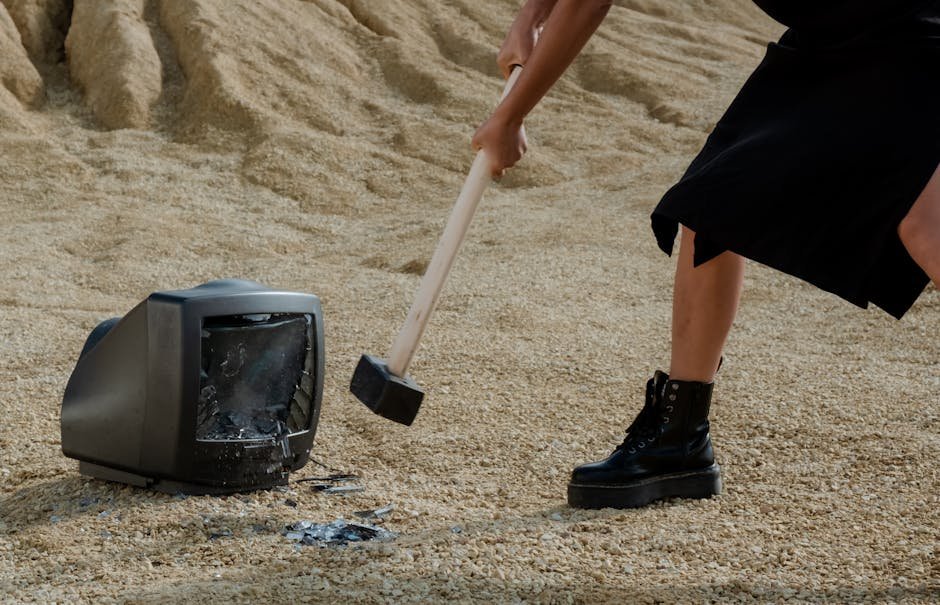

When you decide to sell broken tv units in Australia, you are entering a sophisticated market that values resource recovery over simple disposal. Navigating the complexities of e-waste requires an understanding of both the material composition of modern displays and the regulatory landscape of the Australian recycling industry. Whether you are dealing with a single LED unit or a warehouse of obsolete monitors, the ability to extract value depends on your preparation and your choice of partner. If you are looking to sell broken tv hardware, you must first distinguish between units that have resale value for parts and those that are strictly scrap. As you prepare to sell broken tv inventory, recognize that the value lies in the printed circuit boards (PCBs), copper yokes, and aluminum heat sinks buried within the plastic casing.
Understanding the Value of E-Waste and Scrap
Modern televisions are treasure troves of high-value materials. A standard flat-screen TV contains gold, silver, palladium, and copper, all of which are highly sought after by refineries. When you approach a Sell Scrap specialist, they are not buying the plastic shell; they are buying the internal components. The market for these materials fluctuates based on global commodity prices, which is why timing your sale can significantly impact your bottom line. Experts recommend accumulating a sufficient volume of electronics before heading to a dealer, as smaller quantities often attract lower price points due to the processing overhead. Furthermore, if you are also looking to Sell My Catalytic Converter, many scrap dealers will bundle these items, providing a more comprehensive service for your waste management needs. Always inquire about the specific grade of circuit boards you possess, as high-grade boards from older, high-end TVs can command a premium price compared to newer, integrated models.
Where to Sell and Finding the Best Price
Finding the right buyer is the most critical step in maximizing your return. You should prioritize licensed facilities that operate under strict environmental standards. Searching for Sell Scrap Metal Near Me In 2026 will yield a list of reputable local yards, but you must vet them for their e-waste processing capabilities. Not all scrap yards have the machinery to safely dismantle cathode ray tubes (CRTs) or handle hazardous materials like mercury-containing backlights. For those seeking the best price, it is essential to call ahead and ask for current rates per kilogram for e-waste or specifically for ‘TV boards.’ Some dealers may offer a flat fee per unit, while others pay based on the weight of the recovered metals. Always compare at least three quotes from different scrap dealers in your region. Remember that transparency is a hallmark of a professional operator; if a dealer cannot explain how they calculate their rates, they are likely not providing you with the fair market value for your materials. Visit Scrap Trade for the latest industry insights on commodity pricing and market trends.
The Logistics of Dismantling and Safety
Before you transport your broken TVs, consider the safety and legal implications of dismantling them yourself. TVs contain capacitors that can hold a lethal electrical charge even when unplugged. Unless you are professionally trained, it is safer to sell the units intact to a facility equipped for safe dismantling. If you choose to dismantle, you must wear appropriate personal protective equipment (PPE), including gloves, safety glasses, and potentially a respirator if you are dealing with older CRT glass. The process of extracting the copper yokes and boards requires specific tools, such as security screwdrivers and precision cutters. By keeping the units intact, you also ensure that you comply with local environmental regulations regarding the disposal of hazardous materials. Always document the weight of your scrap before leaving your premises, as this provides a baseline for verifying the scale readings at the scrap yard. For more detailed guidance, refer to How to Sell Your Broken TV: The Ultimate Australian Guide to ensure you are following the most efficient and safe protocols.
Documentation and Legal Compliance
When dealing with scrap metal and e-waste, maintaining proper documentation is not just good practice—it is often a legal requirement. You may be asked to provide proof of identity and a record of where the scrap originated, especially if you are selling in large quantities. This is part of the Australian government’s efforts to prevent the trade of stolen goods. Keep a logbook of all your sales, including the date, the buyer’s details, the weight of the materials sold, and the price received. If you are selling on behalf of a business, you will need to provide an ABN and potentially a tax invoice. Professional scrap dealers, such as those listed at Scrap Trade Australia, will always provide you with a receipt or a weighbridge ticket. This documentation is crucial for your own financial tracking and for any environmental audits that might be required if you are disposing of commercial e-waste. Never accept ‘cash-in-hand’ deals from unregistered operators, as these transactions lack the necessary paper trail to protect you in the event of a dispute or an environmental investigation.
Market Trends and Future-Proofing Your Scrap
The electronics recycling industry is evolving rapidly, with new technologies for metal recovery emerging every year. As we move toward 2026, the focus is shifting toward ‘urban mining’—the process of extracting high-value materials from consumer waste. This means that the value of your broken TVs is likely to remain stable or even increase as global demand for copper and rare earth metals grows. To stay ahead, follow industry newsletters and keep an eye on the London Metal Exchange (LME) prices for copper and aluminum. Understanding these trends allows you to decide whether to sell your scrap immediately or stockpile it until the market hits a peak. Furthermore, consider the environmental impact of your choices. By selling to a certified recycler, you are contributing to a circular economy, ensuring that hazardous materials are kept out of landfills and that valuable resources are returned to the manufacturing supply chain. This commitment to sustainability is becoming increasingly important for both businesses and individual sellers, and it is a factor that many reputable scrap dealers now highlight in their marketing.
Scaling Up: From Individual Seller to Commercial Supplier
If you find that you are frequently coming into possession of broken TVs—perhaps through a business, a repair shop, or a community collection drive—you should transition from being a casual seller to a commercial supplier. This involves building long-term relationships with scrap dealers who can offer you preferential pricing and priority service. You may be able to negotiate a contract that guarantees you a set price for a specific volume of e-waste, shielding you from the volatility of the daily spot market. Additionally, consider the logistical advantages of having a dedicated storage area for your scrap. Proper sorting, such as separating high-grade boards from low-grade cables, will significantly increase your profit margins. A dealer is much more likely to offer a better rate if you present them with pre-sorted, clean material that requires minimal additional processing. Always maintain open communication with your scrap dealer; ask them what specific items they are currently prioritizing, as their buying needs can change based on their own downstream contracts with refineries. By treating your scrap collection as a professional venture, you can turn a waste management challenge into a reliable stream of revenue.
Building a Sustainable Network
Ultimately, the success of your scrap metal journey hinges on the network you build. Connecting with other recyclers, attending industry trade shows, and utilizing online platforms can provide you with a wealth of information that is not available through general searches. Don’t be afraid to ask questions of your buyers; a good dealer will be happy to explain their processes and help you understand how to improve the quality of your scrap. Whether you are selling a single unit or a truckload, the principles remain the same: prepare your material, verify your buyer, document your transactions, and stay informed about market conditions. By following this comprehensive approach, you ensure that you are not just getting the best price for your broken TVs, but that you are also operating in a way that is safe, legal, and environmentally responsible. The Australian scrap market is robust and full of opportunity for those who take the time to understand its mechanics. Start small, stay consistent, and leverage the resources available to you to maximize your returns in this dynamic industry.
Frequently Asked Questions
Is it legal to sell broken TVs for scrap in Australia?
Yes, it is legal to sell broken TVs for scrap, provided you are dealing with a licensed scrap metal dealer or e-waste facility. You must ensure that you are not disposing of hazardous materials improperly and that you provide valid identification if requested.
What parts of a broken TV are the most valuable?
The most valuable parts are the printed circuit boards (PCBs), which contain precious metals like gold and palladium, and the copper wiring or yokes found inside the chassis. Aluminum heat sinks and steel casings also hold scrap value.
Should I dismantle the TV before selling it?
Generally, it is safer to sell the unit intact, as TVs contain high-voltage capacitors that can be dangerous to handle. However, if you are trained and have the right tools, removing specific high-value components can increase your profit margin.
How do I ensure I am getting the best price for my e-waste?
To get the best price, call multiple scrap yards to compare rates per kilogram, keep your materials clean and sorted, and try to accumulate a larger volume before selling. Always verify that the dealer is a legitimate, licensed business.