
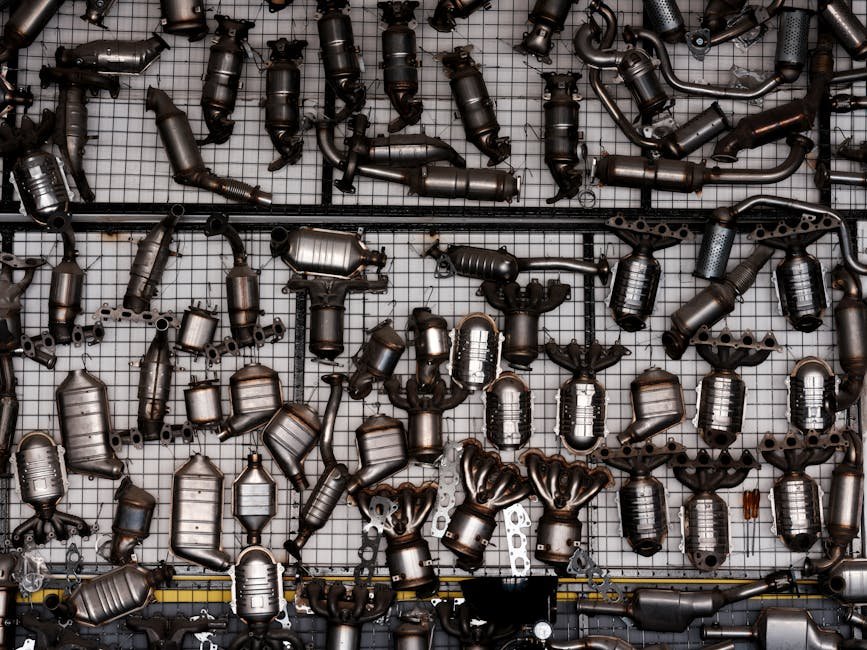

Understanding current scrap catalytic converter prices 2026 is essential for anyone looking to capitalize on the high demand for precious metals. As the automotive industry pivots toward more stringent emission standards, the recovery of platinum group metals (PGMs) has become a multi-billion dollar sector. Whether you are a mechanic, a scrap yard owner, or an individual with a spare unit, knowing how to accurately assess your inventory is the difference between a mediocre payout and a premium return. You can check our Current Scrap Metal Prices page to see how these units fit into the broader commodity market.
How Market Value is Determined
The value of your cat converter is not arbitrary; it is strictly tied to the global market price of platinum, palladium, and rhodium. These three metals are the engine of the recycling industry. Because they are finite resources, their market value per kg shifts daily based on mining output, industrial demand from the automotive sector, and geopolitical stability in major exporting nations. When you analyze current scrap catalytic converter prices 2026, you must realize that the physical weight of the steel housing is secondary; the real money is in the ceramic honeycomb structure inside the shell.
Refiners use X-ray fluorescence (XRF) technology to determine the exact concentration of PGMs within the ceramic substrate. Because the density of these metals varies significantly between vehicle makes and models, there is no single flat rate. To get the most accurate data, consult our Catalytic Converter Scrap Grading Pricing Guide 2026 Edition, which breaks down the specific value tiers for various converter types. If you are ready to move your stock, you can Sell My Catalytic Converter through our secure, transparent platform designed to get you the highest possible payout.
Grading and Factors Affecting Your Payout
To maximize your profit, you must understand how your material is graded. Not all units are created equal. High-grade converters from luxury or performance vehicles often contain higher concentrations of rhodium, which is currently the most valuable of the platinum group metals. Conversely, older or aftermarket units may have lower recovery potential. You should always value my scrap catalytic converter using professional tools or serial number identification before finalizing any transaction.
Several critical factors impact the final price per tonne you receive:
- Serial Number Verification: Modern scrap yards rely on serial numbers to identify the exact metal load of a converter.
- Condition of the Ceramic: If the internal honeycomb is crushed, missing, or contaminated with excessive carbon, the recovery efficiency drops, lowering your payout.
- Market Timing: Because metal prices today are volatile, selling during a market spike is a strategic move.
- Logistics and Volume: Bulk sellers often command better pricing due to reduced transport and processing overheads.
If you are looking to sell catalytic converter scrap, ensure you are dealing with a licensed facility that provides a detailed breakdown of the metal content. Transparency is the hallmark of a reputable buyer. At Scrap.Trade, we provide the tools you need to stay ahead of the curve in a fluctuating market.
The Recycling Process and Environmental Impact
Recycling these units is a highly sophisticated industrial process. Once collected, the converters are processed through a series of steps: de-canning, milling, sampling, and chemical refining. This process recovers over 95% of the platinum group metals, which are then re-introduced into the manufacturing supply chain. This circular economy is vital for reducing the environmental footprint of the automotive industry. By choosing to recycle, you aren’t just securing a profit; you are actively participating in a sustainable supply chain that reduces the need for destructive open-pit mining.
When you work with a professional recycling partner like Scrap Trade Australia, you ensure that your scrap is handled according to strict environmental regulations. We prioritize efficiency and precision, ensuring that the maximum amount of precious metal is recovered from every unit processed. Current scrap catalytic converter prices 2026 reflect the premium paid for high-purity, responsibly sourced materials. By choosing to recycle with industry experts, you ensure that you are getting the full value of your materials while supporting a greener future. Don’t let your valuable scrap sit idle—turn it into immediate capital today.
Take Action Now
The market for precious metals is moving fast. If you have catalytic converter scrap sitting in your warehouse or garage, it is depreciating in value relative to the potential interest you could earn by liquidating it today. Stop guessing about your inventory value. Use our online tools to identify your units, check the latest market trends, and secure a quote. Our team is ready to assist you with the logistics of transport and payment, ensuring a seamless transaction from start to finish. Contact us now to finalize your sale and lock in your price.
Frequently Asked Questions
Why do catalytic converter prices change so frequently?
Prices change daily because they are tied to the global commodities market for platinum, palladium, and rhodium. Fluctuations in mining output and industrial demand directly impact the daily price per kg.
How can I tell if my catalytic converter is valuable?
The value depends on the precious metal content, which is determined by the vehicle’s make, model, and year. You can identify your unit’s value by checking the serial number against an official grading guide.
Is it legal to sell scrap catalytic converters?
Yes, it is legal to sell scrap converters as long as they are sourced legitimately and sold to a licensed scrap metal dealer. Always ensure you provide the necessary documentation to comply with local regulations.
Does the condition of the converter affect the price?
Yes, the condition of the internal ceramic honeycomb is critical. If the ceramic is damaged, missing, or contaminated, the recovery yield of precious metals decreases, which lowers the offer price.