
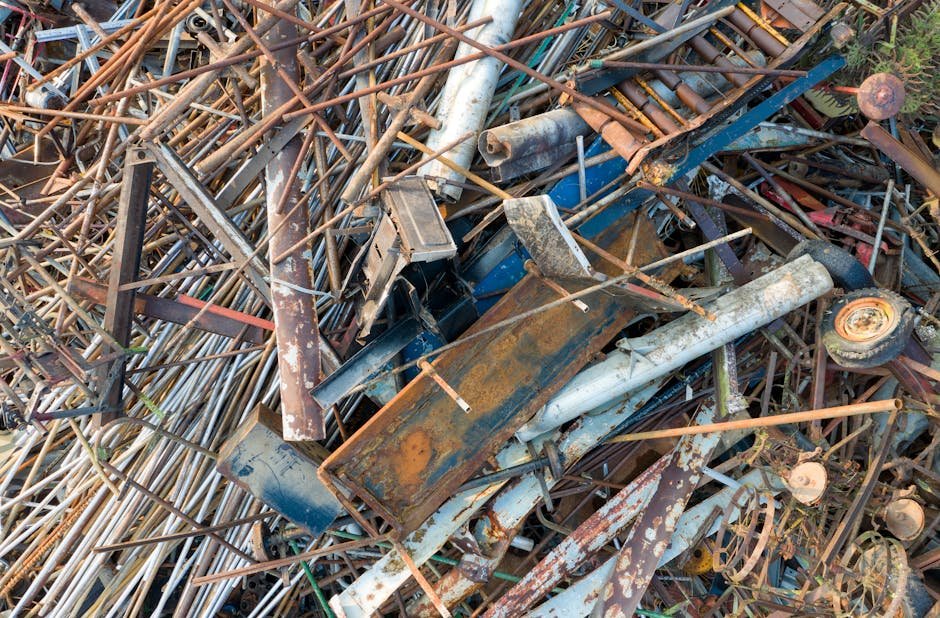

Understanding How to sell scrap metal for cash is a lucrative skill for tradespeople, demolition contractors, and household recyclers alike. In the Australian market, the value of your scrap depends heavily on global commodity prices, the purity of your material, and your ability to correctly identify and sort different metal grades. Whether you are clearing out a workshop or managing industrial waste, knowing the nuances of the recycling industry will help you maximize your returns.
The Step-by-Step Process: How to Sell Scrap Metal for Cash
Before you head to a facility, it is vital to follow a structured approach to ensure compliance and efficiency. If you are looking for Sell Scrap Metal Near Me In 2026, follow these steps to streamline your experience:
- Identify and Sort: Segregate ferrous metals (iron/steel) from non-ferrous metals (copper, aluminium, brass). Non-ferrous metals are significantly more valuable.
- Clean Your Metal: Remove non-metallic attachments like plastic, rubber, or wood. Clean metal fetches a higher price per kilogram.
- Check Current Market Rates: Metal prices fluctuate daily. Check reliable sources or use a professional platform like Scrap Trade Australia to track market trends.
- Locate a Licensed Dealer: Find a reputable facility. You can research where to sell scrap metal by checking local reviews and licensing status.
- Prepare Documentation: In Australia, most states require a valid driver’s license or passport to prove identity due to anti-theft regulations.
- Weigh and Get Paid: Once at the yard, your load will be weighed on calibrated scales. Ensure you receive a printed receipt before leaving.
Understanding Metal Grades and Value
To truly master How to sell scrap metal for cash, you must distinguish between the various grades of metal. Non-ferrous metals are the “gold” of the scrap industry. Copper is consistently the most valuable, followed by brass, aluminium, and lead. Within these categories, grades matter. For example, ‘Bright Shiny Copper’ (bare, unalloyed wire) commands a much higher price than ‘Copper #2’ (which may have solder, paint, or oxidation). Aluminium is also graded by its source—extruded aluminium (window frames) typically pays better than cast aluminium (engine blocks). Understanding these classifications allows you to negotiate effectively with any scrap dealer.
Where to Sell Scrap Metal for Maximum Profit
Finding the right partner is critical. Many people search for where i can sell scrap metal near me, but the best facility is not always the closest one. You should prioritize yards that offer transparent weighing processes and competitive cash for scrap rates. If you have large volumes of material, consider calling ahead to negotiate a better price. Professional traders often use the Scrap Trade platform to compare facilities and ensure they are getting the best market value for their specific load. Remember, the best price is often reserved for those who bring in clean, sorted, and high-volume loads.
The Logistics of Scrap: Collection vs. Drop-off
For industrial clients or those with heavy machinery, transporting scrap can be a hurdle. If you cannot transport the material yourself, look for services that Pick Up Scrap Metal For Cash Near Me. Many yards offer bin services or flatbed truck collections for significant quantities. However, be aware that collection fees may be deducted from your total payout. If you are a DIY recycler, dropping off your scrap directly will almost always result in a higher profit margin, as it eliminates transport and labor costs for the recycler.
Environmental Benefits of Metal Recycling
Beyond the financial incentive, recycling scrap metal is one of the most environmentally impactful actions an Australian business or individual can take. Mining virgin ore is energy-intensive and destructive to landscapes. Recycling aluminium, for instance, saves approximately 95% of the energy required to produce the same amount of metal from bauxite ore. By participating in the scrap economy, you are actively reducing the carbon footprint of the manufacturing sector and diverting thousands of tonnes of waste from Australian landfills. This circular economy model is the backbone of sustainable industrial growth.
Essential Documentation and Compliance
In Australia, the scrap industry is heavily regulated to prevent the sale of stolen goods. When you arrive at a yard, you will be required to provide government-issued photo identification. Some states also require the recording of vehicle registration numbers. Always keep your receipts, as these serve as proof of income and are necessary for tax reporting if you are selling scrap as part of a business. If you are looking for tips on Cash For Metal Near Me How To Sell Scrap For Maximum Profit, always prioritize legal, licensed yards that follow these protocols, as they are more likely to offer fair, market-based pricing.
Maximizing Your Returns: Pro Tips
To ensure you get paid the absolute maximum, keep these advanced tips in mind. First, store your metal under cover to prevent rust and oxidation, which can downgrade your material’s value. Second, separate your metals before arriving at the yard; mixing copper with steel will result in the entire load being paid at the lower steel rate. Third, build a relationship with a specific yard manager. Consistent, high-quality loads make you a preferred supplier, and many yards will offer loyalty pricing or better rates to regular, reliable recyclers. Lastly, watch the LME (London Metal Exchange) trends. Since Australian scrap prices are tied to global markets, selling when the market is up can significantly boost your bottom line.
Conclusion
Learning How to sell scrap metal for cash is a journey of understanding market dynamics, material science, and local regulations. By taking the time to sort your metals, choosing a reputable dealer, and staying informed about global commodity trends, you can turn what many consider ‘waste’ into a consistent revenue stream. Whether you are a casual recycler or a large-scale contractor, the key to success lies in preparation and consistency. Use the resources provided in this guide to navigate the Australian scrap market with confidence and ensure you are always getting the best value for your hard work.
The scrap metal industry is vital to Australia’s infrastructure. By choosing to recycle, you contribute to a cleaner, more efficient economy while putting money back into your pocket. Always remember to check for the latest pricing, maintain your equipment, and keep your documentation in order. With these practices, you will be well-positioned to succeed in the scrap metal trade for years to come.
Frequently Asked Questions
What is the most valuable scrap metal to sell?
Copper is generally the most valuable scrap metal due to its high demand in electrical and plumbing industries. Bright shiny copper wire fetches the highest price, followed by copper piping.
Do I need an ID to sell scrap metal in Australia?
Yes, Australian law requires scrap yards to verify the identity of sellers to prevent the trade of stolen goods. You must provide a valid government-issued photo ID, such as a driver’s license.
How often do scrap metal prices change?
Scrap metal prices fluctuate daily based on global commodity markets like the London Metal Exchange. It is recommended to check current local rates on the day you plan to sell.
Why should I separate my scrap metal before going to the yard?
Separating metals ensures you are paid the correct rate for each type. If you mix valuable metals like copper with low-value steel, the yard may pay you at the lower steel rate for the entire load.