
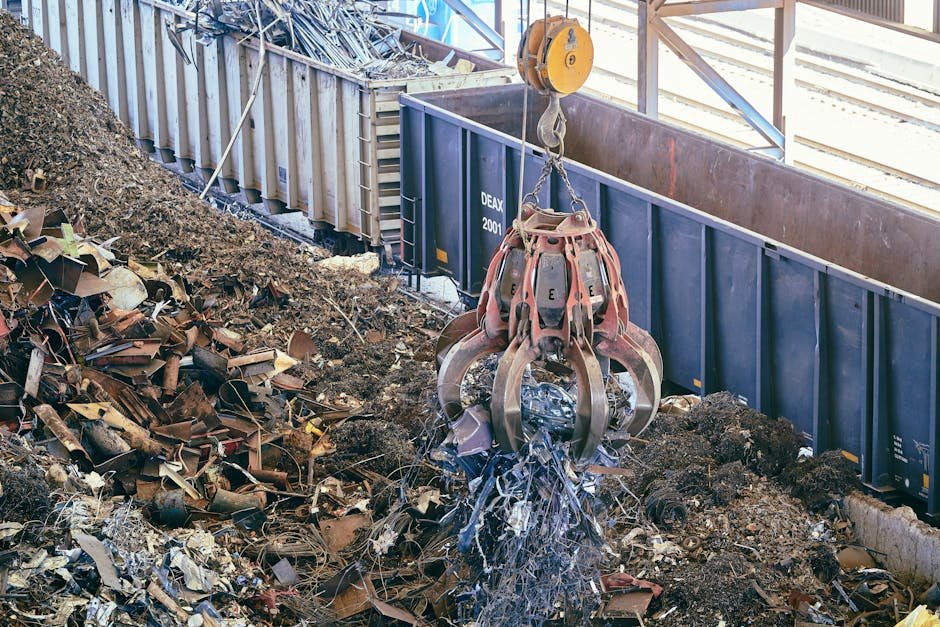

Navigating the complex world of industrial metal recycling requires a clear understanding of market dynamics, which is why our Stainless Steel Scrap Buyers – 304 & 316 Scrap Price Guide is designed to provide both commercial entities and individual sellers with the data they need to succeed. Whether you are dealing with industrial offcuts, decommissioned kitchen equipment, or large-scale demolition waste, knowing the difference between alloy grades is the first step toward profitability. Unlike common ferrous metal or mild steel, stainless steel is a high-value alloy that requires specific expertise to value and process correctly. By consulting our scrap stainless steel price index, you can stay ahead of the curve in an industry defined by volatility and opportunity.
Understanding the Value of Stainless Steel Grades
Stainless steel is not a single material; it is a family of iron-based alloys containing at least 10.5% chromium, which provides its signature corrosion resistance. Within the recycling industry, the two most common grades encountered are 304 and 316. Understanding why these grades differ is essential for anyone utilizing a Stainless Steel Scrap Buyers – 304 & 316 Scrap Price Guide. Grade 304 is the most common austenitic stainless steel, widely used in food processing equipment, architectural paneling, and household appliances. Its composition typically includes 18% chromium and 8% nickel.
In contrast, 316 stainless steel is engineered for harsh environments, particularly those involving saltwater or acidic exposure. The addition of 2-3% molybdenum significantly increases its resistance to pitting and crevice corrosion. Because molybdenum is a highly expensive alloying element, the scrap price for 316 stainless steel is consistently higher than that of 304. When selling, failing to separate these grades can result in significant financial loss, as buyers will often pay the lower 304 rate for a mixed load. To ensure you are getting the best deal, always keep your scrap segregated by grade and form, such as sheet metal, pipe, or solid solids.
How Global Markets Influence Scrap Steel Price Per Tonne
The price you receive for your scrap is rarely arbitrary; it is tied directly to the London Metal Exchange (LME) and local supply-demand dynamics. When you research the Scrap Steel Price Per Kg A Complete Guide For Sellers, you will notice that prices fluctuate daily. Several macroeconomic factors influence these shifts. Firstly, the demand for primary nickel is the single largest driver of stainless steel scrap value. When global stainless steel production increases, demand for recycled nickel rises, pushing scrap prices upward. Conversely, economic slowdowns in major manufacturing hubs like China can lead to a slump in demand.
Furthermore, logistics and processing costs play a massive role in the final price offered by a yard. Transporting heavy scrap metal across Australia involves significant fuel and labor costs, which are factored into the buying price. If you have a large volume of material, you may be able to negotiate a better rate based on the current Stainless Steel Scrap Price. It is important to remember that scrap steel is a commodity, and like gold or oil, its value is subject to the whims of international trade policies, tariffs, and currency exchange rates. For those looking to get into the trade, our Scrap Steel Comprehensive Guide For Sellers And Buyers offers a deeper look at the logistics of the industry.
Factors That Affect Your Scrap Payout
Beyond the market price, the physical condition of your scrap is the biggest variable in your final payout. Professional Stainless Steel Scrap Buyers – 304 & 316 Scrap Price Guide users know that “clean” scrap always earns a premium. Clean scrap means the material is free from contaminants like plastic, rubber, wood, insulation, or other non-ferrous metals like copper or brass. When a scrap yard receives a load of stainless steel that is heavily contaminated, they must factor in the cost of labor to clean it or the cost of disposing of the waste, which is deducted from your payment.
Another factor is the form of the scrap. Large, heavy chunks of solid stainless steel are often more valuable than thin, light sheet metal. This is because thin sheet metal has a higher surface-area-to-volume ratio, which can lead to higher oxidation rates and more significant melting losses during the recycling process. When selling, try to bundle similar forms together. If you are a business, having your scrap pre-sorted and palletized can significantly improve your relationship with the yard and often leads to more favorable pricing structures. Always check with your local Australian metal recycling experts to see if they have specific requirements for how they want material delivered.
The Recycling Process: From Yard to Mill
Once you sell your scrap, it undergoes a rigorous transformation process. The first step for any reputable buyer is verification. Using handheld X-ray fluorescence (XRF) analyzers, buyers can instantly determine the exact chemical composition of the metal. This ensures that 316 is not accidentally mixed with 304. Once verified, the material is weighed on certified scales. Transparency in weighing is a hallmark of a trusted buyer. If you feel the weight is inaccurate, never hesitate to ask for a scale calibration certificate or a second opinion.
After weighing, the scrap is processed. This often involves shearing, shredding, or baling to make the material easier to transport and melt. The scrap is then sent to a foundry, where it is melted down in an electric arc furnace. During this stage, the chemical composition is adjusted to meet the exact specifications of the new stainless steel product. The molten metal is then cast into billets, blooms, or slabs, which are eventually rolled into new stainless steel products. This circular economy is what makes stainless steel one of the most sustainable materials on the planet, as it can be recycled infinitely without losing its inherent properties.
Choosing the Right Scrap Metal Buyer
Not all scrap yards are created equal. When selecting a partner to sell your stainless steel, look for transparency, certification, and reputation. A professional buyer should be able to provide you with a clear breakdown of how they arrived at their price, including the current LME base rate and any deductions for processing. Avoid yards that refuse to explain their pricing or that lack proper environmental permits. In Australia, environmental compliance is strict, and working with a licensed facility ensures that your waste is being handled according to the highest standards.
For those managing industrial waste, look for a buyer who offers comprehensive services, such as bin drop-off and pick-up, specialized logistics, and long-term contract pricing. Many top-tier buyers now utilize digital platforms like Scrap Trade to provide real-time market updates, making it easier than ever to track the value of your inventory. Building a long-term relationship with a single buyer is often more profitable than chasing the highest price at a different yard every week, as consistent suppliers are often offered loyalty bonuses or priority service during times of high market volatility.
Maximizing Your Returns: Practical Tips
To truly master the market, you must treat your scrap as an asset rather than waste. Start by implementing a waste segregation program at your facility. Use color-coded bins to separate 304 from 316 and keep ferrous materials like mild steel completely separate. Mixing grades is the fastest way to lower your profit margins. If you have a large volume of scrap, consider investing in a basic XRF scanner or using magnet testing (though note that some stainless grades are magnetic, so this is not foolproof) to ensure your sorting is accurate before it leaves your facility.
Timing is also critical. If you are not in a rush to sell, monitor the market for a few weeks. If you see a downward trend in nickel prices, it might be worth holding onto your scrap until the market stabilizes or rebounds. Conversely, if prices are peaking, move your inventory quickly. Keep detailed records of your sales, including the date, the grade, the weight, and the price per kg. This data will help you understand your own production cycle and allow you to make informed decisions about when to sell in the future. By following these strategies, you are not just selling scrap; you are managing a valuable resource stream.
Future Trends in Stainless Steel Recycling
The future of the stainless steel industry is inextricably linked to the global transition toward a circular economy. As governments push for lower carbon footprints, the demand for recycled stainless steel is expected to grow, as it requires significantly less energy to produce than virgin steel. This shift will likely lead to more sophisticated sorting technologies, such as AI-driven robotic sorters that can identify and separate scrap grades with near-perfect accuracy. For the seller, this means that the premium on high-quality, pure scrap will likely increase.
Additionally, we are seeing a rise in the demand for “green steel”—steel produced with lower carbon emissions. Recycled scrap is the primary ingredient in green steel production. As manufacturers prioritize low-carbon supply chains, they will be looking for reliable sources of high-quality, traceable scrap. This is a massive opportunity for businesses that can provide clean, well-documented scrap material. By staying informed through resources like our Stainless Steel Scrap Buyers – 304 & 316 Scrap Price Guide, you are positioning yourself to capitalize on these emerging trends and maximize your long-term profitability in the Australian scrap market.
Related: scrap stainless steel price
Frequently Asked Questions
What is the main difference between 304 and 316 stainless steel?
The primary difference is the addition of 2-3% molybdenum in 316 stainless steel, which enhances its corrosion resistance in harsh environments. Because of this molybdenum content, 316 is more valuable and commands a higher scrap price than 304.
Why is it important to keep stainless steel scrap separate from other metals?
Mixing stainless steel with other metals like mild steel or non-ferrous contaminants lowers the overall value of the load. Scrap yards will often pay the lowest grade price or charge a processing fee for contaminated loads, reducing your total profit.
How often do stainless steel scrap prices change?
Scrap prices are tied to global commodity markets and can fluctuate daily based on the London Metal Exchange (LME) rates for nickel and chromium. It is recommended to check current market rates regularly to ensure you are selling at an optimal time.
How can I ensure I am getting a fair price for my scrap?
Always work with reputable, licensed buyers who use certified scales and transparent pricing models. You can also track market trends using professional guides and compare quotes from multiple local facilities to ensure you are receiving a competitive rate.