
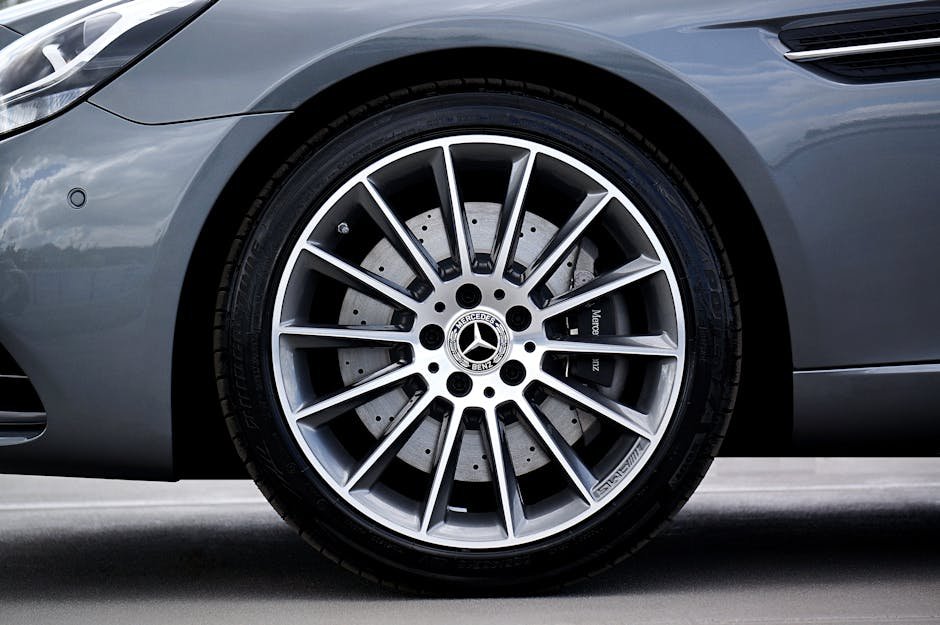

When you look at the scrap value alloy wheels market, the first thing to understand is that price is driven by alloy composition, weight, and the prevailing metal market. Australian recyclers pay per kilogram, and the rates fluctuate with global aluminium and steel prices, so timing your sale can add up to hundreds of dollars.
Understanding Grades and Prices
Alloy wheels are not a monolithic product. They fall into several grades that directly affect the scrap value alloy wheels you can claim. The most common grades in the Australian market are:
- Grade 1 (7075 aluminium): High‑strength, aerospace‑grade alloy, commands the highest price, often $2.20‑$2.50/kg.
- Grade 2 (6061 aluminium): Widely used in passenger cars, fetches $1.80‑$2.10/kg.
- Grade 3 (magnesium alloy, “mag wheels”): Lighter but less valuable, typically $0.80‑$1.20/kg.
- Grade 4 (steel rims): Lower price, around $0.30‑$0.50/kg, but still profitable in bulk.
Knowing the grade of your car rims or alloy rim scrap lets you quote the right price and avoid under‑paying. Use a portable metal tester or consult a professional recycler to confirm the alloy composition before you ship.
How Wheel Recycling Works
Wheel recycling is a streamlined process that turns used rims into raw material for new products. Here’s the typical flow:
- Collection: Dealers, garages, and private owners drop off alloy wheels at a licensed recycling centre.
- Sorting: Rims are separated by alloy grade, size, and condition. Magnetic separation removes any steel components.
- Shredding: Large wheels are fed into industrial shredders that break them into manageable fragments.
- Separation: Air classifiers and eddy‑current separators isolate aluminium from other metals.
- Melting: Pure aluminium is melted in a furnace, poured into ingots, and shipped to manufacturers.
Every step preserves the material value and eliminates the need for virgin mining. By sending your alloy wheels to a reputable recycler, you ensure the highest scrap value alloy wheels price and compliance with Australian environmental regulations.
Environmental Benefits of Recycling Alloy Wheels
Recycling aluminium wheels reduces energy consumption by up to 95% compared with primary production. That translates into lower CO₂ emissions, less landfill waste, and a circular economy for the automotive sector. In fact, recycling one tonne of aluminium saves enough energy to power an average Australian household for three years.
Beyond energy savings, wheel recycling prevents hazardous contaminants from leaching into soil and water. Magnesium alloys, while lighter, can release harmful gases if incinerated; proper recycling captures and reprocesses them safely.
Choosing a recycler that follows the Australian Standard AS/NZS 3833 for hazardous waste ensures you contribute to a greener future while still earning top dollar for your alloy rim scrap.
Maximizing Your Return – Practical Tips
To get the best price for your scrap, follow these proven steps:
- Clean the rims: Remove tires, brake dust, and oil. Clean wheels fetch up to 5% higher rates.
- Weigh accurately: Use a calibrated scale; most recyclers pay per kilogram, not per piece.
- Bundle by grade: Separate aluminium from steel and magnesium before delivery.
- Stay informed: Check daily market updates on the Scrap Trade platform for current rates.
- Negotiate volume discounts: Larger shipments often qualify for higher per‑kilogram rates.
For deeper insights on pricing strategies, read our guide on Alloy Scrap Price How To Sell And Maximize Returns. If you’re dealing with high‑grade titanium components, the Titanium Scrap Price How To Get The Best Value For Your Titanium article offers parallel advice.
When you’re ready to list your wheels, start with the comprehensive resource scrap value of alloy wheels. It breaks down current market rates by region and alloy type, giving you a benchmark before you negotiate.
Looking for trusted buyers? Our curated list in who buys alloy wheels – Find Trusted Buyers & Top Prices connects you with licensed Australian processors who guarantee prompt payment.
For a broader view of metal pricing, explore Scrap Metal Per Ton How To Maximize Value From Your Scrap. It outlines how bulk metal rates affect individual alloy wheel deals.
Finally, if you want a quick reference on the overall value of your collection, check the alloy wheel scrap value page, which includes calculators and recent transaction data.
Ready to turn your old car rims into cash? Visit the Australian marketplace ScrapTrade.com.au to post your offer, schedule a pickup, and receive payment within 24 hours.
Frequently Asked Questions
What factors determine the scrap value alloy wheels price?
The price is driven by alloy grade, weight, cleanliness, and current market rates for aluminium and magnesium. Higher‑grade alloys like 7075 fetch premium rates, while dirty or mixed‑grade wheels receive lower offers.
Can I recycle mag wheels and still get a good return?
Yes, but magnesium alloys are less valuable than aluminium. Expect $0.80‑$1.20 per kilogram. Clean, separated mag wheels still earn a profit, especially when sold in bulk.
How does wheel recycling benefit the environment?
Recycling aluminium saves up to 95% of the energy required for primary production, cuts CO₂ emissions, reduces landfill waste, and conserves natural resources, supporting a circular economy.
Where can I find trusted buyers for my alloy rim scrap?
Our guide who buys alloy wheels – Find Trusted Buyers & Top Prices lists licensed Australian recyclers who offer competitive rates and fast payment.