
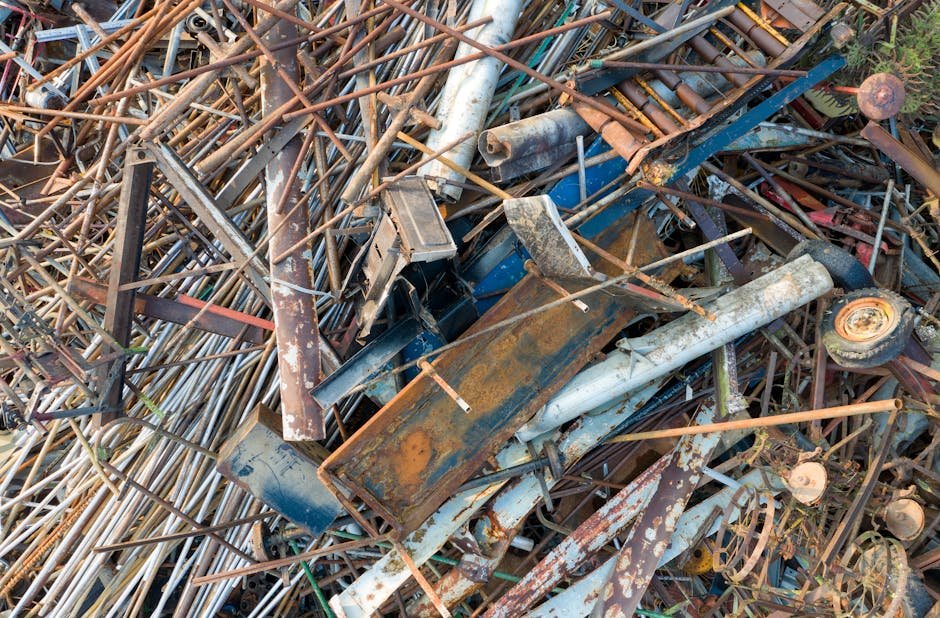

Understanding scrap metal prices is essential for anyone involved in the recycling chain, from small‑scale collectors to large industrial processors, because it directly impacts profitability and sustainability decisions.
1. Overview of the Australian Scrap Metal Market
Australia’s scrap metal industry is a multi‑billion‑dollar sector that recovers ferrous (iron and steel) and non‑ferrous metals such as copper, aluminium, lead, and zinc. The market is driven by a combination of domestic manufacturing demand, export opportunities to Asia, and the global commodities cycle. In 2023‑2026, the average price per kg for clean steel scrap hovered around AU$0.55, while copper consistently traded above AU$9 per kg, reflecting its higher value and tighter supply constraints.
These figures are not static; they fluctuate daily based on the London Metal Exchange (LME) benchmarks, shipping freight costs, and regional supply‑and‑demand imbalances. For a real‑time snapshot, visit the Scrap Metal Prices page, which aggregates data from major Australian processors.
2. How Scrap Metal Prices Are Determined
The pricing mechanism for scrap metal is a blend of global and local factors:
- Global commodity benchmarks: LME and CME futures set the baseline for base metals. When LME copper hits US$10,000 per tonne, Australian processors adjust their price per kg accordingly.
- Exchange rates: The Australian dollar’s strength against the US dollar influences import‑export arbitrage. A weaker AUD makes foreign‑priced metal more expensive for local buyers, raising the market rate.
- Quality and grade: Higher‑grade scrap (e.g., #1 clean steel, #1 copper) commands a premium over mixed or contaminated loads.
- Logistics costs: Transportation, handling, and storage fees are folded into the final price per tonne.
- Regulatory environment: Environmental levies, export restrictions, and licensing fees can add marginal costs that processors pass onto sellers.
Because these variables shift constantly, the phrase “Current Scrap Metal Prices” is often used by traders to indicate the most up‑to‑date market rate.
3. Grades of Scrap Metal and Their Market Values
Scrap is classified into grades based on composition, cleanliness, and physical condition. Below is a concise guide to the most common grades and their typical price per kg in 2026:
- #1 Clean Steel (Ferrous): AU$0.55–0.65 per kg – free from rust, paint, and non‑metal contaminants.
- #2 Mixed Steel: AU$0.40–0.50 per kg – includes rust, minor paint, and small non‑metal pieces.
- Copper (Non‑Ferrous): AU$9.00–9.80 per kg – high purity, usually from wiring or tubing.
- Aluminium (Non‑Ferrous): AU$2.00–2.30 per kg – clean sheet or extrusions.
- Brass and Bronze: AU$4.50–5.20 per kg – often sourced from plumbing fixtures.
- Lead: AU$1.80–2.10 per kg – used in batteries and radiation shielding.
Specialty items such as alloy wheels scrap prices melbourne have their own niche market. Alloy wheels, typically made from aluminium or magnesium alloys, can fetch up to AU$2.50 per kg when stripped of tires and contaminants. For more information on selling these items, see our guide on scrap alloy wheels.
4. Key Factors That Influence Scrap Metal Costs
Beyond the baseline pricing drivers, several situational factors can cause short‑term spikes or dips:
- Seasonal construction activity: In the Australian summer, building projects surge, increasing demand for steel and aluminium, which pushes prices up.
- Industrial shutdowns: Unexpected plant closures (e.g., due to maintenance or supply chain disruptions) can create temporary oversupply, lowering rates.
- Export bans or tariffs: Government decisions to restrict raw metal exports can tighten domestic supply and raise market rates.
- Technological advances: New sorting technologies (e.g., AI‑driven optical sorters) improve recovery rates, making lower‑grade scrap more valuable.
Monitoring these variables helps sellers anticipate price movements and time their deliveries for optimal returns.
5. How the Recycling Process Turns Scrap into Market‑Ready Metal
The recycling chain consists of four core stages:
- Collection and segregation: Scrap is gathered from households, demolition sites, and industrial offcuts. Accurate segregation by metal type and grade reduces contamination.
- Processing: Materials are shredded, baled, and sometimes melted in electric arc furnaces (EAF) for ferrous metals or induction furnaces for non‑ferrous metals. Advanced processing removes coatings, paints, and other impurities.
- Refining: The molten metal is refined to achieve target purity levels. For copper, electro‑refining can raise purity to 99.99%.
- Distribution: Refined metal is cast into billets, rods, or sheets and sold to manufacturers for new products, completing the circular loop.
Each stage adds value, but also incurs cost. Efficient processing lowers the price per tonne that recyclers need to pay to suppliers, which can be reflected in higher Scrap Metal Prices Near Me for high‑quality feedstock.
6. Environmental Benefits of Metal Recycling
Recycling metal offers substantial ecological advantages compared with virgin extraction:
- Energy savings: Recycling aluminium uses up to 95% less energy than primary production, translating to roughly 13 MJ/kg saved.
- Reduced greenhouse‑gas emissions: Each tonne of recycled steel avoids about 1.8 tCO₂e, contributing to Australia’s net‑zero targets.
- Landfill diversion: Metals do not decompose; keeping them in the loop prevents long‑term landfill use.
- Conservation of natural resources: Recycling reduces the need for bauxite mining (aluminium) and iron ore extraction (steel).
These benefits are increasingly quantified by corporate sustainability reports, and many Australian companies now require documented recycled content to meet ESG criteria.
7. Practical Tips to Maximise Your Scrap Metal Returns
Whether you are a DIY hobbyist or run a demolition business, the following strategies can help you secure the best price per kg:
- Know your grades: Separate clean steel from painted or rusted pieces. Use a magnet test for ferrous vs. non‑ferrous identification.
- Remove contaminants: Strip bolts, nuts, and non‑metal components before delivery. Clean metal surfaces fetch higher rates.
- Stay informed: Check daily market updates on the Scrap Metal Prices page and sign up for price alerts.
- Leverage volume discounts: Larger, well‑sorted loads often qualify for higher per‑kg payouts.
- Choose reputable processors: Companies with transparent pricing, proper licensing, and environmentally certified facilities tend to offer more consistent rates.
- Consider timing: Align deliveries with peak construction seasons or after major commodity price hikes.
For businesses seeking a reliable partner, Visit Scrap Trade for a directory of accredited processors across Australia.
8. Where to Find Reliable Price Information and Services
Accurate pricing data is the cornerstone of a profitable scrap operation. Below are trusted sources:
- Online price aggregators: Websites such as Scrap Trade compile daily rates from multiple processors, giving a clear market overview.
- Industry newsletters: Subscribe to the Australian Metal Recycling Association (AMRA) bulletin for quarterly forecasts.
- Broker networks: Licensed metal brokers can negotiate better terms for bulk sellers.
- Government publications: The Department of Industry, Science, Energy and Resources releases annual recycling statistics that help gauge market health.
By cross‑referencing these sources, you can spot anomalies and negotiate fairer deals. For a quick lookup of local rates, try the Scrap Metal Prices Near Me tool.
Finally, remember that the scrap metal market is cyclical. Staying educated, maintaining clean, well‑sorted material, and partnering with transparent processors will ensure you capture the best possible price per tonne, today and in the future.
For more comprehensive information about the Australian recycling ecosystem, explore the resources on ScrapTrade Australia.
Frequently Asked Questions
How often do scrap metal prices change?
Scrap metal prices are updated daily, reflecting shifts in global commodity markets, exchange rates, and local supply‑and‑demand dynamics.
Can I get a better price by sorting my scrap?
Yes. Separating clean, high‑grade material from contaminated loads typically yields a higher price per kilogram because processors spend less on cleaning and can sell the metal at premium rates.
What is the difference between price per kg and price per tonne?
Price per kg is the rate for each kilogram of metal, while price per tonne multiplies that rate by 1,000 kilograms. Processors often quote both to accommodate large and small transactions.
Are there any legal requirements for selling scrap metal in Australia?
Sellers must provide identification, comply with state licensing rules, and ensure that the material is not sourced from illegal dumping. Processors are also required to maintain records for traceability.