
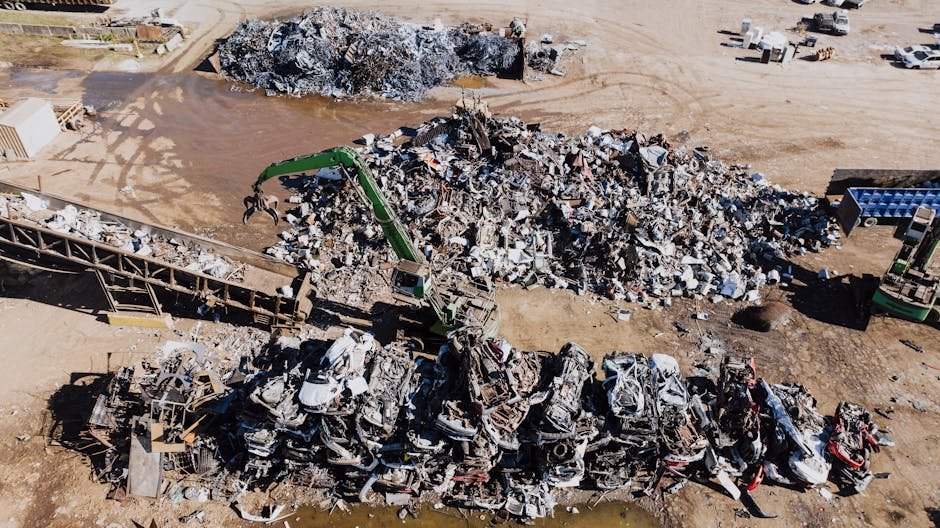

Understanding how scrap metal yards function is essential for anyone looking to Sell Scrap Metal Near Me In 2026 or simply learn about the circular economy in Australia. These facilities act as the first critical step in the metal recycling chain, converting waste into a resource that can be re‑melted into new products.
What Is a Scrap Metal Yard?
A scrap metal yard, sometimes called a recycling depot or metal recycler, is a location where individuals and businesses can bring unwanted metal items for sorting, grading, and eventual sale to manufacturers. Most yards operate on a “buy and sell” model: they purchase scrap from the public at market‑based rates and then sell processed material to steel mills, foundries, or other downstream processors. In Australia, the most common metals accepted include ferrous (steel, iron) and non‑ferrous (copper, aluminium, brass, stainless steel) grades.
Key Grading Systems Used in Australian Scrap Yards
Accurate grading is the backbone of a profitable scrap operation. Grading determines the price paid to the supplier and the value of the material when it reaches the mill. Below are the principal grading categories you will encounter:
- Ferrous Scrap: Classified by type (e.g., #1 Heavy Melting Steel, #2 Light Melting Steel) and condition (clean, painted, rusted). Higher grades command premium prices because they require less processing.
- Non‑Ferrous Scrap: Sorted by alloy composition (e.g., #1 Copper, #2 Aluminium, #3 Brass). Purity is critical; even small amounts of contamination can lower the price by up to 30%.
- Mixed/Unsorted Loads: Often sold at a discount unless the yard has sophisticated separation equipment such as eddy‑current separators or magnetic drums.
Most modern yards use a combination of manual inspection and automated sorting technologies to achieve consistent grades. The presence of a walk‑in area allows small‑scale sellers to drop off items, while larger commercial customers may use a dedicated loading dock for bulk deliveries.
How the Recycling Process Works from Yard to Mill
The journey of scrap metal from a local yard to a manufacturing mill involves several distinct stages:
- Collection & Intake: Customers deliver metal to the yard. Staff weigh and record each load, often using digital scales linked to inventory software.
- Sorting & Grading: Items are separated by type, alloy, and condition. Magnetic separators pull ferrous metals away from non‑ferrous, while optical scanners can identify copper vs. aluminium.
- Processing: Larger pieces are sheared, shredded, or baled to reduce volume. This makes handling easier and improves transport economics.
- Transportation: Processed bales are loaded onto trucks and shipped to regional smelters or steel mills. Long‑haul logistics are coordinated with freight providers to minimise carbon emissions.
- Melting & Refining: At the mill, scrap is melted in electric arc furnaces (EAF) for steel or reverberatory furnaces for copper. The molten metal is refined to remove impurities, then cast into billets, rods, or ingots.
- Manufacturing: The refined metal re‑enters the supply chain, becoming part of new products such as automotive parts, building materials, or consumer electronics.
Each step adds value and reduces the need for virgin ore extraction, which is why the whole system is considered environmentally advantageous.
Environmental Benefits of Using Scrap Metal Yards
Recycling metal through reputable yards delivers measurable ecological gains:
- Energy Savings: Recycling aluminium saves up to 95% of the energy required to produce primary aluminium from bauxite. Steel recycling saves roughly 60% of the energy compared with ore‑based production.
- Reduced Greenhouse Gas Emissions: By avoiding virgin metal production, the industry cuts CO₂ emissions dramatically. For every tonne of steel recycled, approximately 1.5 tonnes of CO₂ are avoided.
- Landfill Diversion: Metal does not decompose, so disposing of it in landfills occupies space indefinitely. Recycling keeps metal out of waste streams and conserves landfill capacity.
- Conservation of Natural Resources: Mining for iron ore, bauxite, and copper consumes water, land, and energy. Recycling re‑uses existing material, preserving these finite resources.
Australian government policies, such as the National Waste Policy, incentivise the use of scrap metal yards to meet national recycling targets. Many yards also participate in carbon‑offset programs, further enhancing their sustainability profile.
Choosing the Right Scrap Metal Yard: Practical Tips
Not all yards are created equal. Follow these guidelines to ensure you get the best price and service:
- Check Licensing and Accreditation: Look for membership in the Australian Scrap Metal Association (ASMA) or similar bodies. Accredited yards adhere to safety, environmental, and pricing standards.
- Compare Rates: Use online tools or call multiple yards to gauge current market prices for your metal grades. Prices fluctuate daily based on global commodity markets.
- Inspect Facility Cleanliness: A well‑maintained yard signals professionalism and reduces the risk of contamination, which can affect your payout.
- Ask About Processing Capabilities: If you have mixed or contaminated loads, verify that the yard has the equipment to separate and clean the material efficiently.
- Consider Convenience: Proximity matters for small‑scale sellers. A walk‑in yard with extended hours can save time and transport costs.
For a quick directory of vetted locations, visit Scrap Trade, which lists reputable yards across every Australian state.
Regulations and Safety Standards Governing Australian Scrap Yards
Australia enforces strict regulations to protect workers, the public, and the environment. Key legislation includes:
- Work Health and Safety Act 2011 (Cth): Requires yards to provide personal protective equipment (PPE), proper training, and safe handling procedures for heavy machinery.
- Environment Protection and Biodiversity Conservation Act 1999: Mandates that yards manage hazardous waste (e.g., lead‑painted metal) according to prescribed disposal pathways.
- National Environment Protection (Used Packaging) Measure: Sets targets for recycling rates, influencing how yards report tonnage and recovery metrics.
Compliance is regularly audited by state environmental agencies. Non‑compliant yards can face fines, licence suspension, or closure, making accreditation a reliable indicator of trustworthiness.
Economic Impact of Scrap Metal Yards on Local Communities
Beyond environmental gains, scrap metal yards contribute significantly to regional economies:
- Job Creation: Yards employ workers in roles ranging from forklift operators to metallurgists, providing stable wages in many regional towns.
- Revenue Generation: The buy‑and‑sell model injects cash flow into local supply chains, supporting ancillary services such as trucking, equipment maintenance, and metal fabrication.
- Support for Small Businesses: Many construction firms, auto repair shops, and DIY enthusiasts rely on nearby yards for affordable raw material, fostering entrepreneurship.
Data from the Australian Bureau of Statistics indicates that the metal recycling sector contributed over AUD 10 billion to the national economy in 2022, with a steady upward trend as circular‑economy initiatives gain momentum.
Future Trends: Technology and Innovation in Scrap Metal Yards
As the industry evolves, yards are adopting cutting‑edge technologies to improve efficiency and traceability:
- Artificial Intelligence Sorting: Machine‑learning algorithms analyse sensor data to differentiate alloys with >99% accuracy, reducing manual labour.
- Blockchain Traceability: Some yards are piloting blockchain platforms to record each batch’s journey from intake to mill, enhancing transparency for buyers demanding certified recycled content.
- Renewable Energy Integration: Solar‑powered yards lower operational carbon footprints, aligning with corporate sustainability goals.
These innovations are expected to drive higher recovery rates, better pricing, and stronger compliance with emerging ESG (Environmental, Social, Governance) standards.
Connecting With Local Buyers and Services
If you are ready to turn your scrap into cash, start by locating a trusted yard near you. Use resources like Scrap Metal Recycling Near Me to find facilities that accept your specific metal grades. For commercial sellers, establishing a relationship with scrap metal buyers near me can secure consistent contracts and better rates. Additionally, explore broader market opportunities through scrap metal buyers who operate nationally.
For more detailed guidance on pricing trends, visit the Australian Bureau of Statistics or the World Steel Association. And remember, every kilogram of metal you recycle through a reputable yard helps reduce the demand for virgin ore, cuts emissions, and supports a resilient Australian economy.
For a comprehensive list of accredited facilities and up‑to‑date market data, explore Scrap Trade Australia’s official portal. Their platform also offers tools for scheduling pick‑ups, generating invoices, and tracking your recycling history.
Related: Scrap Yards
Frequently Asked Questions
What types of metal can I bring to a scrap metal yard?
Most yards accept ferrous metals like steel and iron, as well as non‑ferrous metals such as copper, aluminium, brass, and stainless steel. Some also take alloys, electronic scrap, and large items like car bodies, provided they are free of hazardous contaminants.
How is the price of scrap metal determined?
Prices are based on global commodity markets, metal grade, purity, and weight. Higher‑grade, clean metal commands premium rates, while mixed or contaminated loads receive a discount. Yards update rates daily to reflect market fluctuations.
Do I need a licence to sell scrap metal in Australia?
Individuals generally do not need a licence, but commercial sellers may require registration with state authorities and must comply with reporting obligations for certain metal types, especially those containing hazardous substances.
How does recycling metal reduce environmental impact?
Recycling metal saves energy, cuts greenhouse‑gas emissions, conserves natural resources, and prevents metal waste from occupying landfill space. For example, recycling one tonne of aluminium saves up to 14 tonnes of CO₂ emissions compared with primary production.