
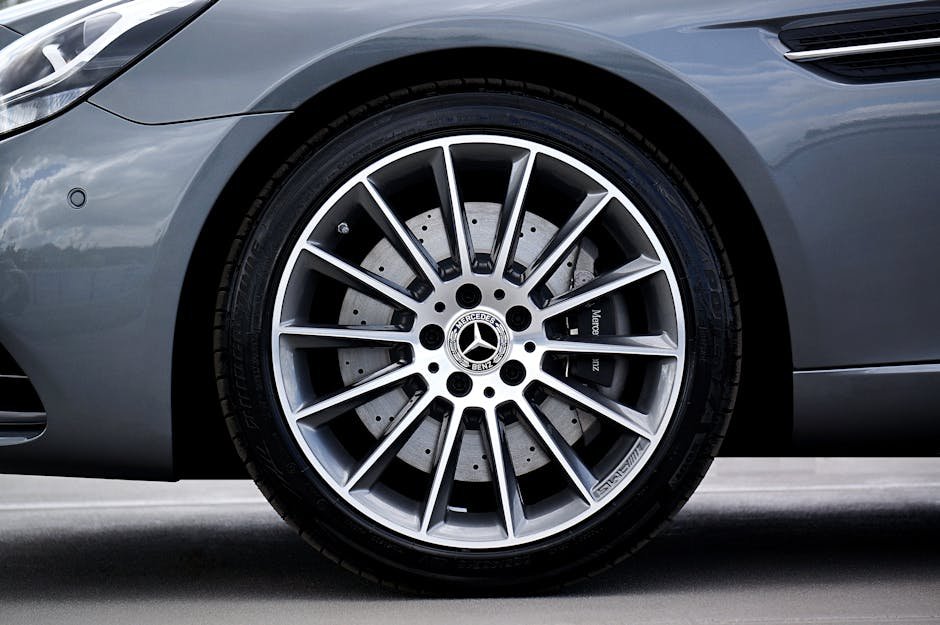

Scrapping alloy wheels is a vital component of the global recycling industry, offering both economic and environmental advantages. Alloy wheels, often made from aluminium or magnesium, are commonly found in vehicles and machinery. When these wheels are no longer usable, they become valuable scrap materials that can be repurposed into new products. Understanding the grades of alloy wheel scrap, the recycling process, and how to maximize returns is essential for businesses and individuals involved in scrapping alloy wheels. This guide provides a comprehensive overview of the topic, including practical tips for selling scrap and the environmental impact of recycling.
Introduction to Alloy Wheels and Their Recycling Value
Alloy wheels, also known as mag wheels or car rims, are lightweight, durable components made primarily of aluminium or magnesium alloys. Their popularity in the automotive industry stems from their strength, heat dissipation properties, and aesthetic appeal. However, over time, alloy wheels may become damaged, corroded, or obsolete, necessitating scrapping alloy wheels for recycling. The value of these scrap materials depends on factors such as metal content, condition, and market demand.
Recycling alloy wheels not only reduces waste but also conserves natural resources. According to the Australian Bureau of Statistics, the recycling rate for aluminium is over 90%, making it one of the most sustainable materials in the world. For businesses involved in scrap metal trading, understanding the nuances of alloy wheel recycling is crucial for maximizing profitability and environmental impact.
Grades of Scrap Alloy Wheels: What You Need to Know
Not all alloy wheel scrap is created equal. The grade of scrap determines its market value and suitability for reuse. Key factors in grading include:
- Material Type: Aluminium alloy wheels are the most common, but magnesium-based wheels also exist. Aluminium is highly recyclable and commands a higher price than mixed metals.
- Condition: Wheels in good condition with minimal damage fetch higher prices. Bent, cracked, or rusted wheels are still recyclable but may be classified as lower-grade scrap.
- Size and Weight: Larger wheels or those with complex designs may require specialized handling, affecting their recyclability.
- Contamination: Alloy wheels contaminated with paint, rubber, or other non-metallic materials may require additional processing, reducing their value.
For detailed guidance on pricing and selling strategies, refer to our guide on Alloy Scrap Price: How To Sell And Maximize Returns.
The Scrapping and Recycling Process for Alloy Wheels
The process of scrapping alloy wheels involves several stages, from collection to repurposing:
- Collection: Damaged or obsolete alloy wheels are collected from automotive workshops, scrapyards, or directly from consumers.
- Sorting and Grading: Wheels are sorted by material type, size, and condition. Advanced sorting techniques, such as X-ray fluorescence (XRF) testing, ensure accurate material identification.
- Shredding and Processing: Wheels are shredded to remove non-metallic components like paint and rubber. The resulting metal fragments are then melted in high-temperature furnaces.
- Refining and Casting: The molten metal is purified to remove impurities and then cast into ingots or other forms suitable for manufacturing new products.
- Repurposing: Recycled aluminium is used to produce new alloy wheels, automotive parts, or consumer goods, completing the circular economy loop.
For businesses looking to recycle alloy wheels efficiently, partnering with certified recyclers ensures compliance with environmental regulations and maximizes returns.
Environmental Impact and Benefits of Recycling Alloy Wheels
Recycling alloy wheels offers significant environmental advantages over producing new materials from raw ore. Key benefits include:
- Energy Savings: Recycling aluminium requires 95% less energy than producing it from bauxite, reducing greenhouse gas emissions.
- Resource Conservation: Recycling reduces the need for mining, preserving ecosystems and reducing water and soil contamination.
- Waste Reduction: Properly scrapping alloy wheels diverts waste from landfills, minimizing pollution and land degradation.
- Economic Value: A 2023 report by the Australian Recycling Industry Council estimates that $1.2 billion in scrap metal was recycled in Australia, supporting thousands of jobs.
By choosing to recycle alloy wheels, individuals and businesses contribute to a more sustainable future while supporting the global circular economy.
Practical Tips for Maximizing Returns When Selling Alloy Wheel Scrap
Selling alloy wheel scrap requires strategic planning to ensure profitability. Consider the following tips:
- Research Market Prices: Monitor local and global scrap metal prices using tools like scrap trade market analyzers to time your sales effectively.
- Clean and Prepare Wheels: Remove dirt, rubber, and non-metallic components to increase the grade and value of your scrap.
- Partner with Reputable Buyers: Choose certified recyclers with transparent pricing and efficient logistics. Platforms like ScrapTrade connect sellers with trusted buyers.
- Bundle with Other Scrap: Combine alloy wheel scrap with other high-value materials, such as Nimonic scrap, to negotiate better bulk rates.
- Document and Track: Maintain records of weights, grades, and transactions for tax purposes and to build long-term relationships with buyers.
For step-by-step guidance on selling alloy wheels, visit sell alloy wheels for expert advice.
Challenges and Solutions in Alloy Wheel Recycling
While recycling alloy wheels is beneficial, it comes with challenges:
- Contamination Risks: Residual paint or rubber can reduce the purity of recycled metal. Use industrial shredding and screening equipment to address this.
- Transportation Costs: Heavy alloy wheels are expensive to transport. Partner with local recyclers to minimize logistics expenses.
- Market Volatility: Scrap metal prices fluctuate based on global demand. Lock in long-term contracts with buyers to stabilize income.
Overcoming these challenges requires investment in proper infrastructure and partnerships. For businesses dealing with high-carbon alloys, refer to our guide on Sell Tool Steel Scrap: High Carbon Alloy Steel for specialized strategies.
Conclusion: The Future of Alloy Wheel Recycling
Scrapping alloy wheels is not just a financial opportunity—it’s a cornerstone of sustainable industrial practices. By understanding grades, mastering the recycling process, and leveraging market insights, businesses can turn obsolete wheels into valuable resources. As Australia’s recycling industry evolves, the demand for high-grade alloy scrap will continue to grow, driven by global efforts to reduce carbon footprints. Whether you’re a scrap metal trader, automotive business, or individual seller, adopting efficient recycling practices ensures economic returns and environmental stewardship.
For more resources on recycle alloy wheels and to connect with buyers, visit Scrap Trade. Together, we can build a greener future through responsible scrapping alloy wheels.
Frequently Asked Questions
What are the different grades of alloy wheel scrap?
Alloy wheel scrap is graded based on material type (aluminium/magnesium), condition (damaged or intact), and contamination levels. Higher grades fetch better prices and are easier to recycle.
How can I determine the value of my alloy wheels for recycling?
Assess the material type, weight, and market demand. Use platforms like Scrap Trade to compare local scrap prices and negotiate with certified recyclers for maximum returns.
Can damaged alloy wheels still be recycled?
Yes, damaged wheels can be recycled but may be classified as lower-grade scrap. Removing non-metallic components improves their value and simplifies the recycling process.
What are the environmental benefits of recycling alloy wheels?
Recycling reduces energy consumption, conserves natural resources, and minimizes landfill waste. It also lowers carbon emissions by avoiding the need for raw material extraction.