
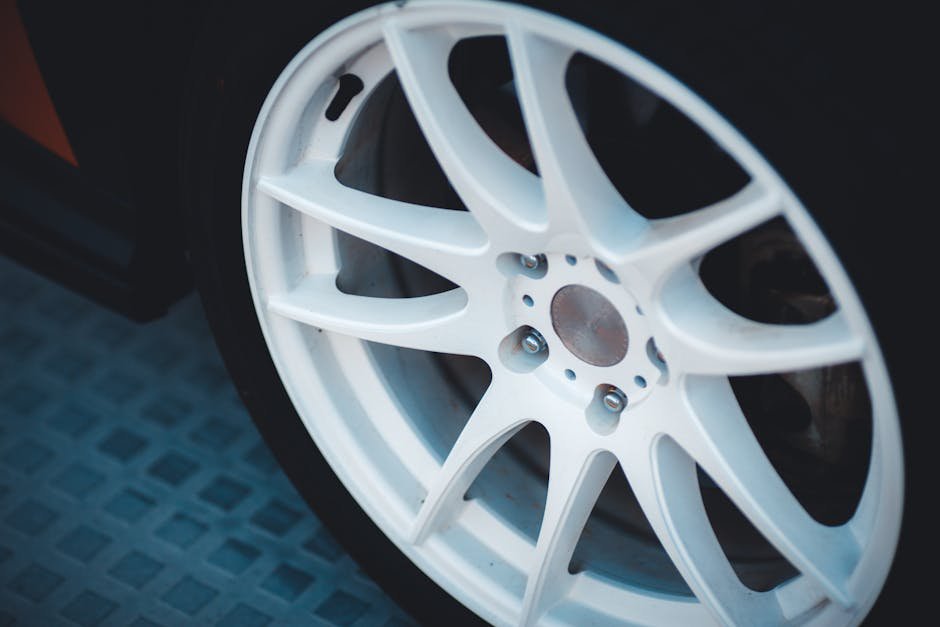

Introduction
When you search for alloy rims for sale in Australia, you’ll encounter a wide variety of options that cater to everything from budget builds to high‑performance vehicles. This guide delves into the nuances of alloy rims, helping you understand what to look for, where to find the best deals, and how to responsibly recycle or sell your old wheels.
Understanding the Basics of Alloy Rims
Alloy rims are typically made from aluminium or magnesium alloys, providing a lighter and stronger alternative to steel wheels. The term “alloy” refers to a metal mixture that enhances strength, corrosion resistance, and aesthetic appeal. In Australia, the most common alloy compositions are 6061‑T6 aluminium and 7005‑T6, which offer a balance between durability and cost.
Key benefits of alloy rims include:
- Weight Reduction – Lighter wheels improve handling and fuel efficiency.
- Heat Dissipation – Better brake performance during high‑speed driving.
- Styling Options – A wide range of finishes, from chrome to matte black.
- Corrosion Resistance – Especially important in coastal Australian climates.
Types of Alloy Rims You’ll Find on the Market
There are several categories of alloy rims, each suited to different vehicle types and driving conditions:
- Standard Alloy Rims – Classic designs that fit most passenger cars and light trucks.
- Mag Wheels – Magnesium alloy rims that offer extreme lightweight properties but are more expensive.
- Sport‑Performance Rims – Larger diameter, low profile, and aggressive styling for high‑performance vehicles.
- Off‑Road and Utility Rims – Built with thicker spokes and reinforced rims for rugged terrain.
- Aftermarket Custom Rims – Tailor‑made designs that allow you to create a unique look.
Where to Source Alloy Rims for Sale in Australia
Finding the right supplier can be as important as choosing the right rim design. Here are the most common sources:
- Automotive Scrap Yards – These facilities often have a rotating inventory of used alloy rims. Many of them offer a cash for scrap alloy rims Melbourne program, making it easy to sell your old wheels while finding new ones.
- Aftermarket Dealers – Retailers that specialize in alloy wheels for sale typically provide a wide selection of brands and finishes.
- Direct Manufacturer Outlets – Purchasing straight from the source can guarantee authenticity and often includes warranties.
- Online Marketplaces – Platforms like eBay and local classifieds list both new and used alloy rims, but buyers should verify authenticity.
- Recycling and Wheel Recycling Facilities – Some recycling plants offer refurbished rims at lower prices, which can be a cost‑effective alternative.
Pricing Factors for Alloy Rims
When you look at alloy rims for sale, pricing can vary widely based on several factors:
- Size and Load Rating – Larger rims or those with higher load capacities cost more.
- Finish and Brand – Premium finishes and well‑known brands command higher prices.
- Condition – New, refurbished, or heavily worn rims will differ significantly in cost.
- Market Demand – Limited editions or rare designs can be priced as collectibles.
- Material Quality – Magnesium alloy rims (mag wheels) typically cost more than standard aluminium.
To get the best value, consider comparing Alloy Scrap Price How To Sell And Maximize Returns data for the specific alloy type you’re interested in. This will give you a benchmark for fair market pricing.
Buying Tips: How to Choose the Right Alloy Rims for Your Vehicle
Here are practical steps to ensure you purchase the best alloy rims for your car or truck:
- Check Compatibility – Verify the rim size (e.g., 17×7.5) and bolt pattern (e.g., 5×114.3) match your vehicle’s specifications.
- Inspect for Damage – Look for cracks, dents, or corrosion, especially on used rims.
- Consider the Finish – A matte finish may hide scratches better than a glossy one.
- Verify Weight – Lighter rims improve handling but may be more expensive.
- Ask About Warranty – Reputable dealers often offer limited warranties on new rims.
- Use the Warehouse Clearance Scrap Sale Strategy to negotiate bulk purchases if you’re buying for a fleet.
- Always request a serial number or manufacturer code to confirm authenticity.
Wheel Recycling and Alloy Rim Scrap: Turning Old Wheels into New Value
When you’re done with your old alloy rims, you have two main options: sell them for scrap or recycle them into new products. Australia has a robust wheel recycling network that ensures aluminium and magnesium are reclaimed efficiently.
Recycling steps typically involve:
- Sorting – Separate aluminium from magnesium and other alloys.
- Cleaning – Remove any paint or contaminants.
- Shredding – Break down the rims into manageable pieces.
- Melting – Re‑melt the metal to produce new alloy sheets or cast parts.
By choosing a certified recycler, you can also receive a Sell Tool Steel Scrap High Carbon Alloy Steel credit, which can offset future purchases of new alloy rims.
Maintenance and Care for Your Alloy Rims
Proper care extends the life of your alloy rims and maintains their appearance:
- Regular Washes – Use a mild soap and water. Avoid harsh detergents that can strip protective coatings.
- Polishing – Periodically polish to restore shine and protect against oxidation.
- Check for Wear – Inspect for cracks or fading, especially if you drive frequently on rough roads.
- Use Wheel Protectors – Add a protective layer to guard against road salt and debris.
- Balance and Alignment – Ensure proper wheel balance to avoid vibrations.
Maintaining your alloy rims not only improves safety but also preserves resale value if you decide to sell them later.
Safety Considerations When Working with Alloy Rims
Alloy rims can be fragile if mishandled. Follow these safety guidelines:
- Wear protective gloves and eyewear when inspecting or cleaning.
- Use a torque wrench to tighten lug nuts to the manufacturer’s specifications.
- Avoid dropping rims or subjecting them to excessive impact.
- When recycling, ensure you’re working with certified facilities that meet Australian environmental standards.
Future Trends in Alloy Rim Technology
The automotive industry is moving toward lighter, more sustainable materials. Key trends include:
- Advanced Aluminium Alloys – New compositions like 7075‑T6 offer higher strength while reducing weight.
- Magnesium Alloy Adoption – Mag wheels provide significant weight savings but require careful corrosion protection.
- Eco‑Friendly Finishes – Low‑VOC paints and natural coatings reduce environmental impact.
- Smart Rims – Integrated sensors can monitor tire pressure and temperature.
- Recycling initiatives are becoming more prevalent, with manufacturers offering buy‑back programs for used rims.
Conclusion
Whether you’re a vehicle enthusiast looking to upgrade or a business seeking to source alloy rims for sale in bulk, understanding the market, material science, and recycling pathways is essential. By following the guidelines in this guide, you can make informed decisions, negotiate fair prices, and contribute to a more sustainable automotive industry.
For additional resources, explore the Scrap Trade Australia portal and visit ScrapTrade.com.au for the latest news on alloy wheel trends and recycling initiatives.
FAQs
Frequently Asked Questions
What are the most common alloy rim sizes available in Australia?
Typical sizes range from 14‑inch to 20‑inch diameters, with widths between 4.5 and 9 inches, depending on vehicle type and performance needs.
How can I determine if an alloy rim is suitable for my vehicle?
Check the rim’s bolt pattern, offset, load rating, and diameter against your vehicle’s specifications, and verify compatibility with your tire size.
What is the difference between aluminium and magnesium alloy rims?
Aluminium rims are lighter than steel but heavier than magnesium; magnesium rims (mag wheels) are the lightest but require more protective coatings to prevent corrosion.
Can I recycle my used alloy rims for cash?
Yes, many Australian recycling centers accept alloy rim scrap and offer payment based on current aluminium and magnesium prices, often through specialized scrap programs.