
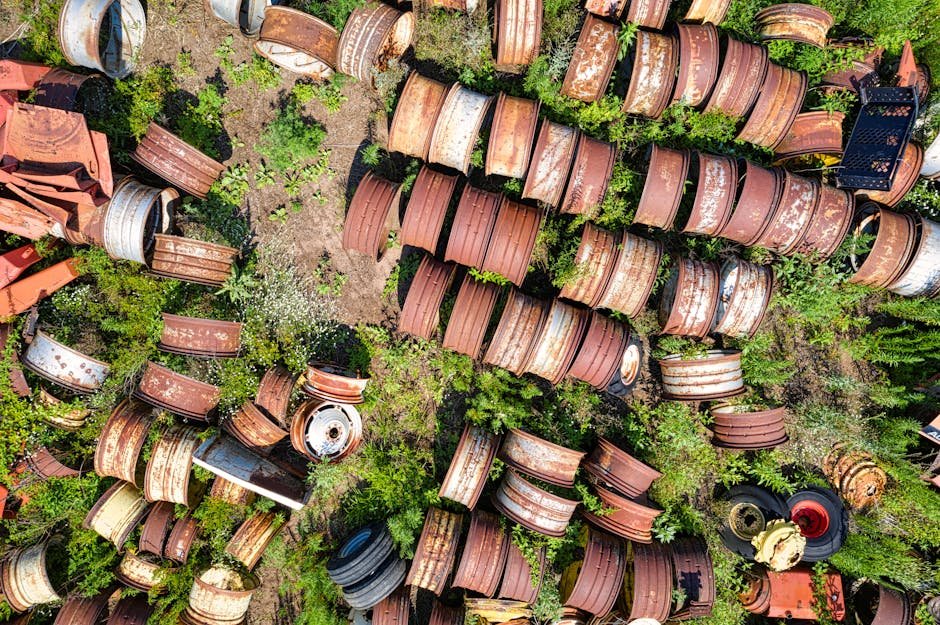

Overview of Alloy Rim Scrap Price
The alloy rim scrap price is a dynamic figure that reflects the current demand for lightweight alloy materials in automotive manufacturing, the availability of used rims, and the broader metal market conditions. For traders, understanding this price is essential to maximise profit while ensuring compliance with Australian environmental regulations. In this guide, we break down how the price is set, the factors that influence it, the grading system used by recyclers, and the environmental advantages of recycling alloy wheels.
Current Market Value per Kilogram
As of early 2026, the average market value for alloy rim scrap in Australia sits around $2.10 per kilogram, with fluctuations between $1.50 and $2.70 depending on the alloy composition and market sentiment. This price is influenced by the global aluminium market, which is itself affected by supply disruptions in key producing countries such as China and the United States. Australian scrap yards often benchmark against international prices but adjust for local transport costs, labour rates, and regulatory fees.
To stay ahead, traders should consult the Scrap Price Forecast Guide which provides weekly updates on aluminium and alloy wheel prices, helping you anticipate market swings before they happen.
How Prices Are Set: The Role of Market Demand and Supply
Alloy rim scrap price is determined through a combination of supply and demand dynamics, quality grading, and the cost of processing. When used car sales spike—particularly in urban areas—there is a surge in discarded wheels, which can depress prices. Conversely, a downturn in the automotive sector can reduce the supply of scrap rims, pushing prices up.
Recyclers also consider the purity of the alloy. High‑grade aluminium alloys, such as 6061 and 7075, fetch premium prices because they can be re‑used in high‑performance parts. Lower‑grade alloys, often containing higher levels of magnesium or zinc, are priced lower but still valuable for secondary applications.
In addition to market forces, the cost of extraction, sorting, and transportation plays a role. The scrap price alloy wheels page on Scrap Trade provides detailed breakdowns of how these factors influence the final price per kilogram.
Key Factors Affecting Alloy Rim Scrap Cost
- Alloy Composition: Pure aluminium versus aluminium‑magnesium blends can differ by 20% in value.
- Weight and Size: Larger rims weigh more and may command higher prices per unit, but the price per kilogram remains the standard metric.
- Condition: Clean, rust‑free rims are easier to process and thus more valuable.
- Market Sentiment: Global aluminium prices, trade tariffs, and currency fluctuations affect local prices.
- Regulatory Costs: Compliance with the Australian Environment Protection and Biodiversity Conservation Act can add processing fees.
Understanding these variables allows traders to negotiate better deals. For example, bundling multiple rims from the same vehicle can reduce transport costs and increase the overall value.
Grades of Scrap and How Recycling Works
Recyclers classify alloy rims into several grades based on alloy type, alloy purity, and physical condition. The most common grades are:
- Grade A: High‑purity 6061 or 7075, minimal surface defects.
- Grade B: Mixed alloy wheels with moderate impurities.
- Grade C: Heavily corroded or alloy‑mixed rims with lower market value.
The recycling process begins with a meticulous sorting phase. Once sorted, the rims undergo a shredding process that reduces them to small aluminium chips. These chips are then melted in a controlled environment, ensuring the alloy composition is preserved. The molten alloy is poured into new molds to produce secondary products such as structural components, automotive parts, or even new wheels.
Recycling not only reduces the need for virgin aluminium production but also lowers energy consumption by up to 30% compared to primary aluminium manufacturing. This energy saving directly translates into cost savings for recyclers and lower environmental impact for the community.
Environmental Benefits of Wheel Recycling
Recycling alloy rims mitigates several environmental challenges:
- Reduced CO₂ Emissions: Recycled aluminium emits 90% fewer greenhouse gases than producing new aluminium.
- Landfill Diversion: Each tonne of recycled alloy wheels saves roughly 200 cubic metres of landfill space.
- Water Conservation: Recycling uses up to 50% less water than primary aluminium production.
- Resource Conservation: Reusing existing aluminium reduces the need for bauxite mining, preserving ecosystems.
These benefits align with Australian government initiatives to promote circular economies and reduce the nation’s carbon footprint.
Practical Tips for Maximising Your Alloys Rim Scrap Price
To get the best return on your alloy rim scrap, follow these actionable steps:
- Clean Your Rims: Remove any paint, rust, or debris before submitting them. Clean rims fetch higher grades.
- Measure Weight Accurately: Use a calibrated scale to determine the exact weight; the price per kilogram is the benchmark.
- Batch Rims Strategically: Combine rims from the same vehicle or similar alloy types to reduce sorting costs.
- Stay Informed: Regularly review the alloy wheel scrap price updates and the Scrap Price Forecast Guide.
- Partner with Trusted Recyclers: Use certified facilities that comply with Australian environmental standards.
- Leverage Export Markets: If you have excess inventory, consider international buyers. The How To Price Scrap For Export Markets page offers guidelines on pricing for overseas demand.
- Use Online Platforms: Listing your scrap on Scrap Trade can connect you with multiple buyers simultaneously.
- Track Market Trends: Subscribe to newsletters and follow industry blogs to anticipate price shifts.
By implementing these practices, traders can not only increase their revenue but also contribute to a more sustainable Australian economy.
Related Resources and Further Reading
For a deeper dive into related topics, consider exploring these internal links:
- Stainless Steel Scrap Price – Understand how stainless steel compares to aluminium in the scrap market.
- Scrap Price Forecast Guide – Forecast upcoming trends in metal prices.
- How To Price Scrap For Export Markets – Navigate the complexities of international scrap sales.
- scrap price alloy wheels – Detailed analysis of alloy wheel scrap pricing.
- alloy wheel scrap price – Latest market data on alloy wheel scrap.
Additionally, for broader industry insights, visit the Australian branch of our platform at Scrap Trade Australia where local regulations, buyer lists, and regional price guides are available.
Conclusion
Understanding the alloy rim scrap price is more than just a number; it’s a reflection of market dynamics, material science, and environmental stewardship. By staying informed about how prices are set, the key factors that drive cost, and the benefits of recycling, Australian traders can optimise profits while supporting sustainable practices. Keep an eye on the latest market data, maintain high-quality standards, and partner with certified recyclers to secure the best outcomes for your business.
Frequently Asked Questions
What is the current average alloy rim scrap price in Australia?
The average price ranges between $1.50 and $2.70 per kilogram, with the typical market value around $2.10 per kg in early 2026.
How does alloy composition affect scrap value?
Higher purity alloys like 6061 and 7075 command premium prices, whereas lower-grade mixes with more magnesium or zinc are valued lower but still useful for secondary applications.
What steps should I take to maximize the price of my scrap rims?
Clean the rims, weigh them accurately, batch similar alloys, stay updated with price forecasts, and partner with certified recyclers to ensure top grades.
What environmental benefits does recycling alloy wheels provide?
Recycling reduces CO₂ emissions by up to 90%, saves landfill space, conserves water and raw materials, and supports a circular economy in Australia.