
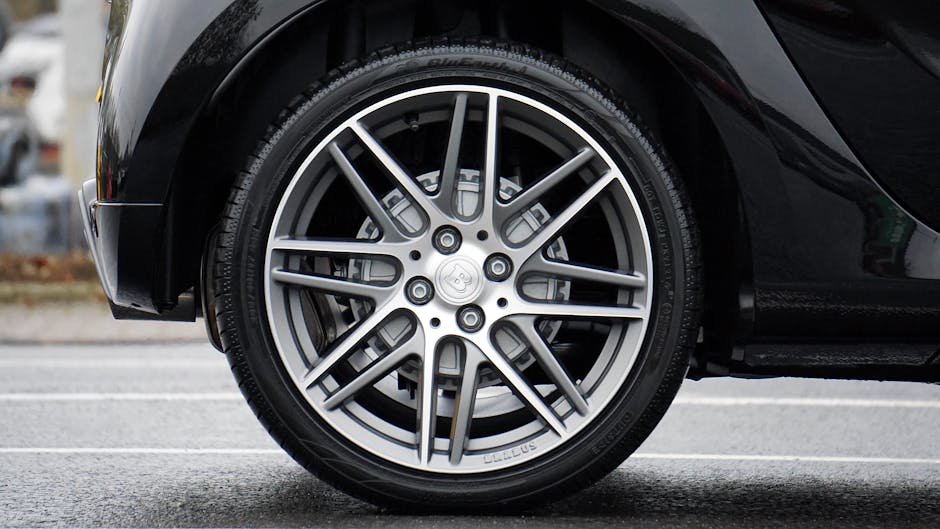

Used alloy wheels are a popular choice among Australian motorists for their lightweight, durability, and style. Whether you’re upgrading a classic sedan or salvaging a damaged SUV, understanding the market, preparation, and recycling options can help you maximize value and reduce waste.
Overview of Used Alloy Wheels
Alloy wheels, commonly referred to as rims, are produced from aluminium, magnesium, or a blend of both metals. They replace heavier steel wheels, improving fuel efficiency and handling. In Australia, the demand for used alloy wheels remains strong because many vehicle owners prefer the aesthetic appeal and performance benefits of aluminium over steel. The resale market is supported by a network of scrap yards, online marketplaces, and specialised wheel dealers.
The term used alloy wheels encompasses a wide range of conditions, from lightly worn showroom pieces to heavily damaged rims that still contain valuable metal. The value of each wheel depends on factors such as brand, size, finish, and remaining structural integrity. Understanding these variables is essential for anyone looking to buy, sell, or recycle alloy rims.
Types of Alloy Wheels and Their Market Appeal
Alloy wheels come in several sub‑categories that influence buyer interest:
- Standard Aluminium Wheels – These are the most common and are prized for their strength‑to‑weight ratio. They are often found on mid‑range cars and trucks.
- Magnesium Wheels (Mag Wheels) – Lighter than aluminium, mag wheels are typically used on high‑performance vehicles. Their scarcity and high metal content make them attractive to collectors.
- Finish Variations – Polished, matte, chrome‑plated, and custom finishes can affect resale value. Buyers often look for pristine finishes that require minimal refurbishment.
- Brand and Model Specificity – Wheels from well‑known manufacturers (e.g., BBS, Enkei, OZ, or Ralliart) tend to command premium prices, especially if they match a popular vehicle model.
When evaluating used alloy wheels, consider whether the rims are compatible with your vehicle’s bolt pattern, offset, and wheel width. Compatibility is a key selling point for car rims on the secondary market.
Market Value and Pricing Strategies
Pricing used alloy wheels accurately requires knowledge of current metal prices and market demand. Here are the main factors that drive value:
- Metal Content – Aluminium and magnesium prices fluctuate daily. A higher proportion of magnesium often translates to a higher scrap value.
- Condition – Wheels that are free from cracks, excessive corrosion, or rim damage fetch better prices. Even a slight dent can reduce resale potential.
- Brand and Finish – Premium brands and factory finishes are more desirable. Buyers may pay a premium for wheels that are in near‑new condition.
- Quantity – Bulk sales can yield discounts for buyers but may also increase overall revenue if you’re selling multiple wheels at once.
- Location – Australian buyers may prefer local sellers to avoid shipping costs, especially for large items like wheels.
To stay competitive, monitor local classifieds, online forums, and scrap yard listings. Using a platform like Sell Used Products On Scrap Trade can give you real‑time insights into current prices and buyer preferences.
Preparing Used Alloy Wheels for Sale
Preparation is the first step to maximizing returns. Follow these practical tips to make your rims market‑ready:
- Clean Thoroughly – Remove all grease, brake dust, and road grime with a high‑pressure wash or a dedicated wheel cleaner. A spotless finish attracts buyers and highlights the wheel’s condition.
- Inspect for Damage – Use a magnifying glass to check for cracks, bent spokes, or rim deformation. Document any imperfections with photos; transparency builds trust with potential buyers.
- Repair Minor Issues – Small dents can be hammered out or filled with metal putty. For more serious damage, consider professional restoration or, if the cost outweighs potential profit, recycling.
- Remove Non‑Metal Parts – Take off any plastic or rubber components that may not be recyclable. This simplifies the sorting process for scrap yards.
- Label Key Specs – Include bolt pattern, offset, wheel width, and diameter. A clear specification sheet reduces buyer hesitation.
- Photograph Strategically – Capture multiple angles, highlight any unique features, and show the wheels in context (e.g., on a vehicle or against a neutral background).
Once prepared, you can choose between selling online or to a local dealer. For online sales, consider Learn How To Sell Used Products Online for step‑by‑step guidance on listing, pricing, and shipping.
Choosing the Right Selling Platform and Strategy
The Australian used alloy wheel market offers several avenues for sellers:
- Online Marketplaces – Platforms such as eBay, Gumtree, and Facebook Marketplace allow you to reach a broad audience. Use high‑quality images and detailed descriptions to stand out.
- Specialised Wheel Forums – Communities like Australian Car Forums and Australian Motor Racing Forum attract enthusiasts who value authenticity and quality.
- Local Scrap Yards – Many yards accept alloy rim scrap in exchange for cash or credit. They often provide on‑site pricing based on current metal rates.
- Dedicated Scrap Platforms – Alloy Scrap Price How To Sell And Maximize Returns offers a streamlined process for bulk sales, including instant quotes and pickup services.
- Wholesale Buyers – If you have a large inventory, contacting wholesalers can secure a higher price per wheel.
When listing, include a link to Scrap Trade for additional resources on pricing and market trends. For Australian‑specific regulations, Scrap Trade Australia provides up‑to‑date compliance information.
Wheel Recycling and Environmental Impact
Recycling alloy wheels is a sustainable choice that benefits the environment and the economy. Here’s why:
- Resource Conservation – Aluminium and magnesium are highly recyclable. Recycling reduces the need for mining new metal, saving energy and lowering greenhouse gas emissions.
- Waste Reduction – Proper wheel recycling prevents hazardous materials from ending up in landfills, protecting soil and water quality.
- Economic Incentives – Many Australian states offer rebates or incentives for recycling metal, making it a financially attractive option.
- Quality Control – Reclaimed metal can be refined to meet industry standards, ensuring that recycled wheels can be used in new automotive applications.
When choosing a recycling partner, look for certified facilities that follow Australian environmental regulations. Many scrap yards will accept alloy rim scrap and provide a quote based on the wheel’s weight and metal content.
Maintenance and Longevity of Alloy Wheels
Proper care can extend the life of alloy rims and maintain their resale value. Follow these maintenance practices:
- Regular Cleaning – Wash wheels at least once a month to prevent brake dust buildup, which can corrode the metal.
- Protective Coatings – Apply a high‑quality wheel sealant or paint to shield against UV rays and road salt.
- Inspection Schedule – Check for cracks or warping after every 10,000 km. Early detection prevents costly repairs.
- Avoid Over‑Torque – When reinstalling, use a torque wrench to prevent rim distortion.
- Storage Tips – Store wheels in a dry, shaded area. If you’re storing them for long periods, keep them off the ground to avoid moisture damage.
Educating buyers on these practices can enhance the perceived value of used alloy wheels, especially if you provide maintenance records or a care guide.
Additional Resources & Next Steps
To deepen your understanding and streamline the selling or recycling process, consider the following resources:
- Sell Used Products On Scrap Trade – Learn how to navigate the platform and connect with buyers.
- Learn How To Sell Used Products Online – A comprehensive guide covering listings, pricing, and shipping.
- Alloy Scrap Price How To Sell And Maximize Returns – Detailed insights into market trends and price optimization.
- alloy wheels used – Explore case studies and customer reviews.
- selling alloy wheels – Tips from seasoned sellers on closing deals.
By applying the knowledge from this guide, you can confidently assess the value of your used alloy wheels, prepare them for sale, and choose the most profitable path—whether that’s a direct sale, a wholesale transaction, or eco‑friendly recycling.
Frequently Asked Questions
What is the typical price range for used alloy wheels in Australia?
Prices vary widely based on brand, size, finish, and condition, but a good set of used alloy wheels can range from AUD 50 to AUD 200 per wheel, with premium rims fetching higher amounts.
Can I sell my used alloy wheels online?
Yes, platforms like eBay, Gumtree, and Facebook Marketplace allow you to list used alloy wheels. Ensure you provide clear photos, accurate specifications, and competitive pricing.
Is it better to sell or recycle my alloy rims?
It depends on the wheel’s condition and market demand. If the rims are in good shape and match popular models, selling may yield higher returns. Otherwise, recycling offers a quick, hassle‑free option with a guaranteed payout.
What are the environmental benefits of recycling alloy wheels?
Recycling conserves raw materials, reduces energy consumption, cuts greenhouse gas emissions, and prevents hazardous waste from landfills, contributing to a more sustainable automotive industry.