
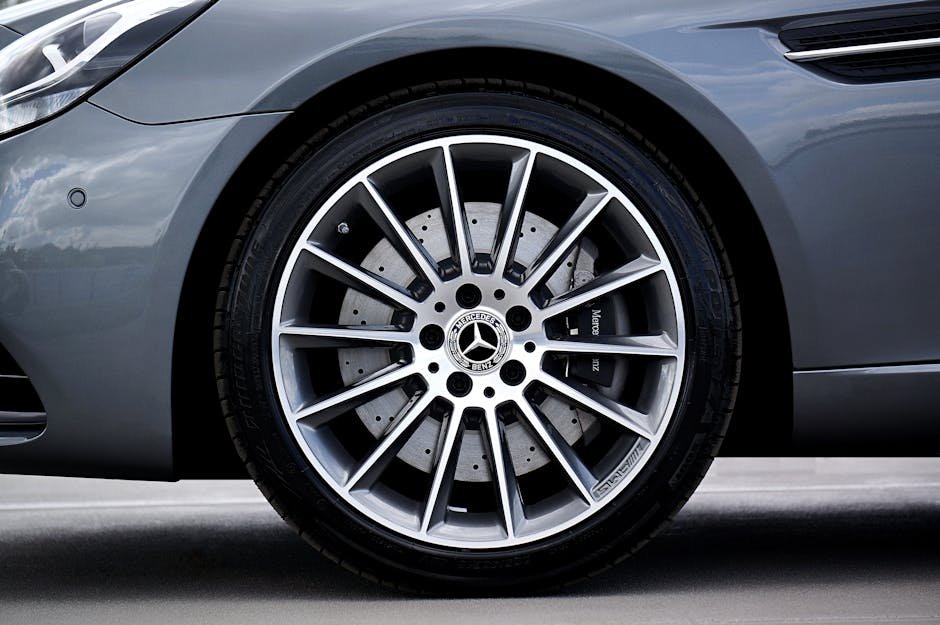

The term “scrap value for alloy wheels” encompasses a range of factors, from material quality to current market dynamics. Whether you’re a scrap trader, vehicle owner, or environmentally conscious consumer, understanding the nuances of alloy wheel recycling and valuation is critical. This guide provides a comprehensive breakdown of grades, recycling processes, and environmental benefits associated with alloy rim scrap in Australia.
Grades of Scrap Alloy Wheels and Their Market Impact
Alloy wheels are categorized into grades based on material composition, structural integrity, and market demand. Common types include:
- Aluminium Alloy Wheels: High-value due to lightweight and corrosion resistance, ideal for automotive manufacturing.
- Steel Rims: Lower in value but widely used for heavy-duty vehicles; recycling processes are less energy-intensive.
- Mag Wheels: Often mistaken for alloy wheels, these magnesium alloy variants are rare and command premium prices if undamaged.
Market fluctuations also influence scrap value for alloy wheels. For instance, high demand in aerospace or electronics industries may elevate prices for titanium or magnesium components. Refer to Titanium Scrap Price How To Get The Best Value For Your Titanium for specialized scenarios.
How Alloy Wheel Recycling Works in Australia
Recycling alloy wheels involves several stages to ensure environmental and economic efficiency:
- Collection: Scrapped wheels are sourced from dealers, workshops, or private sellers via platforms like Scrap Trade.
- Sorting: Wheels are segregated by material type (e.g., aluminium, steel) and damage level. Damaged or corroded wheels are downgraded in value.
- Processing: Advanced facilities melt and purify metals, ensuring minimal waste. Scrap Trade Australia employs state-of-the-art machinery for this.
- Reuse: Recycled alloys are repurposed into new components, reducing reliance on raw material extraction.
Proper sorting is critical. For example, aluminium wheels must be separated from steel to avoid contamination, which can lower the scrap value for alloy wheels significantly.
Environmental Benefits of Recycling Alloy Wheels
Recycling alloy wheels offers substantial sustainability advantages:
- Energy Savings: Producing new aluminium from recycled scrap uses 95% less energy than from bauxite ore.
- Reduced Landfill Waste: Alloy wheels in landfills can leach harmful chemicals over time. Recycling mitigates this risk.
- Resource Conservation: Recycling 1 ton of alloy wheels saves approximately 10 tons of raw materials.
For businesses, adhering to Alloy Scrap Price How To Sell And Maximize Returns ensures both profitability and environmental compliance.
Maximizing Returns: Strategies for Selling Alloy Wheel Scrap
To optimize scrap value for alloy wheels, consider these practical steps:
- Assess Condition: Undamaged wheels retain value, while cracked or bent car rims may only qualify as low-grade scrap.
- Choose Reputable Buyers: Platforms like Scrap Trade offer transparent pricing and fair assessments.
- Stay Informed: Monitor Scrap Metal Per Ton How To Maximize Value From Your Scrap for real-time market trends.
For large quantities, bundling alloy wheels with other scrap (e.g., aluminium wheels paired with copper wiring) may increase overall value.
Common Misconceptions About Alloy Wheel Scrap Value
Myth: “All alloy wheels are worth the same.”
Reality: Grades vary significantly. For example, a set of undamaged mag wheels could fetch $200/kg, while corroded steel rims might only be worth $10/kg.
Myth: “Recycling is less profitable than selling as spare parts.”
Reality: While high-end alloy wheels may sell for more as used parts, bulk recycling often provides better returns for damaged or mixed grades.
Future Trends in Alloy Wheel Recycling
Emerging technologies like AI-driven sorting systems are revolutionizing the industry. These tools can identify alloy types and damage levels with 99% accuracy, ensuring optimal scrap value for alloy wheels. Additionally, government incentives for sustainable recycling practices are expected to boost industry growth by 2025.
Conclusion and How to Proceed
Understanding the scrap value for alloy wheels in Australia requires knowledge of material grades, recycling processes, and market dynamics. By leveraging platforms like Scrap Trade and staying informed about scrap value alloy wheels, individuals and businesses can maximize returns while supporting environmental sustainability.
FAQs About Scrap Value for Alloy Wheels
Related: scrap value of alloy wheels
Frequently Asked Questions
How do I determine the scrap value for alloy wheels?
Assess factors like material type (aluminium/steel), condition (damaged/intact), and current market rates. Use platforms like Scrap Trade for transparent pricing.
Are mag wheels more valuable than standard alloy wheels?
Yes, mag wheels (magnesium alloy) typically command higher prices unless damaged. Their lightweight properties make them sought after in aerospace and high-performance manufacturing.
What environmental impact does recycling alloy wheels have?
Recycling reduces energy consumption by 95% compared to producing new aluminium. It also prevents landfill pollution and conserves 10 tons of raw materials per ton of recycled alloy.
Can I recycle alloy wheels with minor cracks?
Cracked wheels are classified as low-grade scrap, reducing their value. However, they can still be melted down. Contact Scrap Trade Australia for an accurate assessment.