
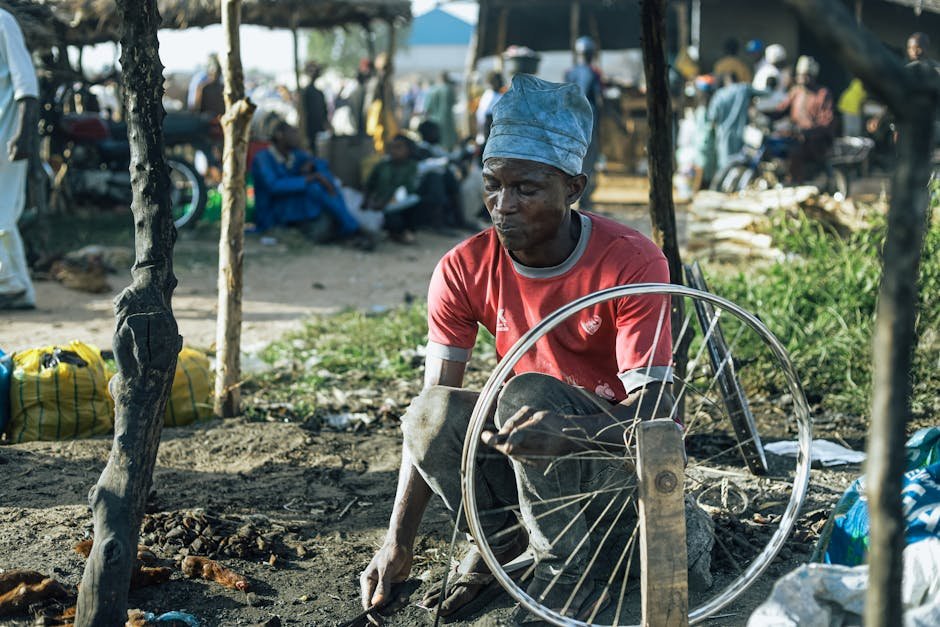

Wheels trade is a vital component of the scrap metal recycling industry in Australia, connecting buyers and sellers of used, damaged, or surplus wheels. This guide covers everything from the types of wheels traded to practical steps for participating in the market.
Understanding the Wheels Trade Ecosystem
The wheels trade operates at the intersection of automotive recycling and industrial resource recovery. It involves the redistribution of wheels from end-of-life vehicles, construction equipment, and agricultural machinery. Key stakeholders include scrapyards, recycling facilities, and independent traders who facilitate this market.
To understand the wheels trade, it’s essential to grasp the broader What Is Scrap Trade concept. Scrap trade, as defined by What Scrap Trade Actually Is, includes the systematic collection, processing, and redistribution of materials like metal, plastic, and glass. Wheels fall under the metal category and are often traded alongside other automotive components.
Types of Wheels in the Trade
- Alloy Wheels: Lightweight and durable, commonly found on passenger vehicles. These fetch high value when trade in wheels due to their aluminum or magnesium content.
- Steel Wheels: Heavier and used in trucks, buses, and commercial vehicles. These are ideal for bulk wheels for trade due to their iron content.
- Specialty Wheels: Include agricultural and mining equipment wheels, which require specialized handling but offer high profit margins.
Benefits of Participating in the Wheels Trade
Engaging in the wheels trade offers multiple advantages:
- Environmental Impact: Recycling wheels reduces landfill waste and conserves raw materials.
- Economic Value: High demand for recycled metals ensures steady revenue streams.
- Market Flexibility: Wheels can be repurposed for reuse, remanufacturing, or smelting, depending on condition.
For businesses, leveraging the Scrap Trade Organisation framework ensures compliance with Australian recycling standards and maximizes profitability.
How to Start Trading Wheels in Australia
- Source Wheels: Partner with scrapyards, auctioneers, and vehicle dismantlers for a steady supply of wheels.
- Assess Quality: Use tools like magnetometers and weight scales to grade wheels by material type and condition.
- Secure Buyers: Connect with recyclers, manufacturers, and exporters through platforms like scrap.trade or scraptrade.com.au.
- Logistics: Arrange transportation using flatbed trucks to minimize damage during transit.
Practical Tips for Maximizing Profits
To succeed in the wheels trade, consider these strategies:
- Track Market Fluctuations: Monitor metal prices on global exchanges to time your trades effectively.
- Invest in Storage: Use covered storage facilities to prevent rust and contamination.
- Build Relationships: Establish long-term partnerships with suppliers and buyers to reduce transaction costs.
Challenges and Solutions in the Wheels Trade
Common challenges include:
- Contamination: Dirt, brake dust, and residual fluids can lower scrap value. Always clean wheels before trading.
- Legal Compliance: Adhere to Australian Scrap Trade regulations for hazardous material handling.
- Market Volatility: Diversify your buyer base to mitigate risks from price swings.
Future Trends in the Wheels Trade
Advancements in technology are shaping the wheels trade:
- Automated Sorting: AI-driven systems now identify wheel materials faster and more accurately.
- Blockchain Tracking: Transparent supply chains enhance trust and compliance.
- Green Steel Initiatives: Increased demand for recycled steel is driving higher value for heavy-duty wheels.
Conclusion
The wheels trade is a dynamic sector offering both environmental and financial rewards. By understanding market dynamics, leveraging technology, and adhering to best practices, businesses can thrive in this competitive industry. For seamless transactions, utilize platforms like scrap.trade and scraptrade.com.au to connect with verified buyers and sellers.
FAQs
What types of wheels can be traded?
Commonly traded wheels include alloy, steel, and specialty wheels from vehicles, machinery, and heavy equipment.
How to assess the value of wheels?
Evaluate material type (aluminum, iron), weight, condition, and market demand for recycled metals.
Why recycle wheels?
Recycling conserves natural resources, reduces energy consumption, and supports a circular economy.
Can I start trading wheels with no experience?
Yes, but partner with established recyclers and invest in training to understand grading, logistics, and regulations.
Frequently Asked Questions
What types of wheels can be traded?
Commonly traded wheels include alloy, steel, and specialty wheels from vehicles, machinery, and heavy equipment.
How to assess the value of wheels?
Evaluate material type (aluminum, iron), weight, condition, and market demand for recycled metals.
Why recycle wheels?
Recycling conserves natural resources, reduces energy consumption, and supports a circular economy.
Can I start trading wheels with no experience?
Yes, but partner with established recyclers and invest in training to understand grading, logistics, and regulations.