
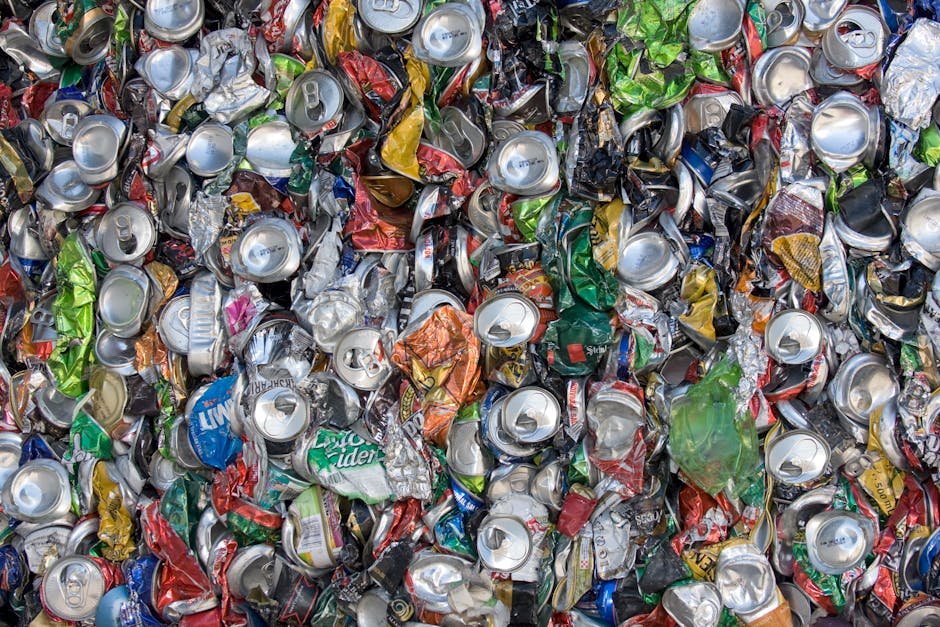

Aluminium scrap is a vital resource in Australia’s recycling industry, offering both economic and environmental advantages. From household items like aluminium cans to industrial aluminium extrusion, understanding the grades of scrap, the recycling process, and its benefits is essential for businesses and individuals involved in the scrap trade. This guide explores everything you need to know about aluminium scrap, from sorting and selling to its role in sustainability.
Overview of Aluminium Scrap
Aluminium is one of the most valuable and widely recycled materials globally. Unlike many metals, it can be recycled indefinitely without losing its quality, making it a cornerstone of the scrap trade. In Australia, the demand for aluminium scrap is driven by industries such as construction, automotive, and packaging, which rely on recycled aluminium to reduce production costs and environmental impact.
Grades of Aluminium Scrap
Aluminium scrap is categorised into grades based on purity, form, and suitability for remelting. The primary grades include:
- Clean Sheet Scrap: High-purity aluminium from discarded appliances, vehicles, or industrial components. Ideal for remelting into new products.
- Extrusion Scrap: Offcuts and trimmings from aluminium extrusion manufacturing processes. Often used to produce new extrusions due to its consistent properties.
- Aluminium Cans: Collected from households and commercial waste. Requires sorting and cleaning but is highly valuable due to its uniform composition.
- Dirty Scrap: Contaminated with non-metallic materials or mixed with other metals. Requires additional processing to extract usable aluminium.
Accurate grading is crucial for maximising the aluminium price you receive when selling scrap. For example, clean sheet scrap typically commands higher prices than dirty scrap due to its lower processing requirements.
The Recycling Process of Aluminium Scrap
Recycling aluminium scrap involves several stages to ensure it is repurposed efficiently:
- Collection and Sorting: Scrap is collected from households, industries, and scrap metal removal near me services. Sorting separates aluminium from other metals and contaminants.
- Shredding and Cleaning: The scrap is shredded into smaller pieces and cleaned using water or chemical treatments to remove coatings and impurities.
- Melting: The processed scrap is melted in furnaces at around 660°C. This stage requires significantly less energy than producing aluminium from raw bauxite ore.
- Casting and Remelting: The molten metal is cast into ingots or used directly in al recycling processes to create new products like aluminium extrusion or beverage cans.
This closed-loop recycling system ensures aluminium scrap is continually repurposed, reducing the need for new mining and processing.
Environmental Benefits of Recycling Aluminium
Recycling aluminium offers substantial environmental advantages over primary production:
- Energy Savings: Producing recycled aluminium uses 95% less energy than refining bauxite ore, significantly lowering carbon emissions.
- Landfill Reduction: Recycling prevents aluminium waste from entering landfills, where it can take centuries to degrade.
- Resource Conservation: Recycling reduces the demand for bauxite mining, preserving ecosystems and reducing water and soil pollution.
By choosing scrap metal removal services, individuals and businesses can actively contribute to these benefits while supporting Australia’s transition to a circular economy.
Practical Tips for Selling Aluminium Scrap
If you’re looking to sell scrap, follow these steps to maximise returns:
- Sort and Clean Scrap: Separate aluminium from other metals and remove non-metallic components to qualify for higher-grade pricing.
- Research Local Markets: Check the current aluminium price and compare quotes from scrap metal removal near me providers to find the best offer.
- Use Bulk Sales: Selling larger quantities of clean scrap can increase your per-unit value, especially for high-grade materials like aluminium extrusion or cans.
Platforms like Australia’s leading scrap trading platform streamline the process, offering transparent pricing and logistics support for seamless transactions.
The Role of Aluminium Price in Scrap Trade
The value of aluminium scrap fluctuates based on global supply, demand, and aluminium price trends. Factors influencing pricing include:
- Industrial Demand: Construction and automotive industries drive demand for recycled aluminium, affecting scrap prices.
- Energy Costs: Fluctuations in energy prices impact the cost of melting and remelting aluminium.
- Government Policies: Recycling incentives and environmental regulations shape the market for aluminium scrap.
Staying informed about these trends helps sellers and buyers optimise their transactions. For real-time insights, visit comprehensive recycling solutions.
Conclusion
Aluminium scrap plays a critical role in Australia’s sustainable future. By understanding its grades, recycling process, and environmental benefits, individuals and businesses can make informed decisions that support both economic and ecological goals. Whether you’re managing industrial waste or selling scrap for profit, engaging with the aluminium recycling sector helps reduce Australia’s carbon footprint while ensuring a steady supply of valuable materials.
FAQs
Why is recycling aluminium beneficial?
Recycling aluminium saves 95% of the energy needed to produce new metal from bauxite, reduces landfill waste, and lowers greenhouse gas emissions.
What are the common grades of aluminium scrap?
Key grades include clean sheet scrap, aluminium extrusion waste, aluminium cans, and dirty scrap, each with different purity and processing requirements.
How can I find scrap metal removal services near me?
Use scrap metal removal near me search tools or contact platforms like Australia’s leading scrap trading platform for local providers.
What factors influence the price of aluminium scrap?
Prices depend on global aluminium price trends, industrial demand, energy costs, and the grade and purity of the scrap being sold.
Frequently Asked Questions
Why is recycling aluminium beneficial?
Recycling aluminium saves 95% of the energy needed to produce new metal from bauxite, reduces landfill waste, and lowers greenhouse gas emissions.
What are the common grades of aluminium scrap?
Key grades include clean sheet scrap, aluminium extrusion waste, aluminium cans, and dirty scrap, each with different purity and processing requirements.
How can I find scrap metal removal services near me?
Use scrap metal removal near me search tools or contact platforms like Australia’s leading scrap trading platform for local providers.
What factors influence the price of aluminium scrap?
Prices depend on global aluminium price trends, industrial demand, energy costs, and the grade and purity of the scrap being sold.