
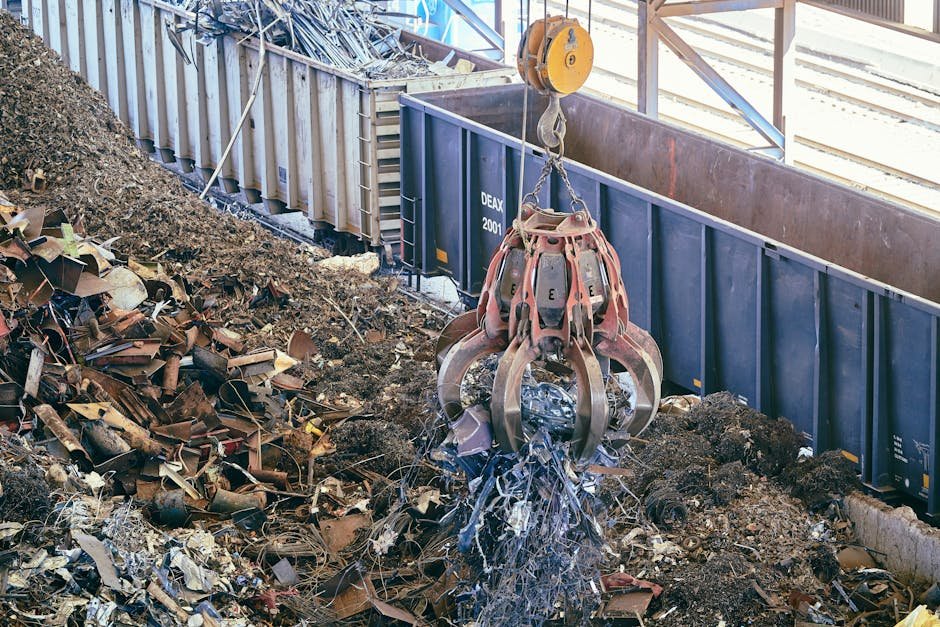

Scrap trade is a vital industry that converts discarded materials into reusable resources. From metals to plastics, understanding the grades of scrap, how recycling works, and the environmental benefits helps businesses and individuals participate effectively. Below, we break down the key aspects of scrap trade.
Overview of Scrap Trade
The scrap trade encompasses the collection, sorting, and resale of materials like metals, electronics, and construction waste. It operates on a global scale, driven by demand for raw materials in manufacturing. What scrap trade actually is a circular economy model, where waste becomes a resource. In Australia, the industry supports thousands of jobs and contributes significantly to environmental sustainability.
Grades of Scrap
Scrap materials are categorized into grades based on purity, size, and composition. Common grades include:
- Ferrous Metals: Iron and steel, often used in construction.
- Non-Ferrous Metals: Aluminum, copper, and brass, valued for their conductivity.
- Aluminum Scrap: Aluminum scrap is highly recyclable and in demand for packaging and automotive industries.
- Wheels Trade: Used tires and vehicle parts form a niche market under wheels trade.
- Plastics & Paper: Sorted by type and quality for reuse.
Grading ensures materials fetch optimal prices and meet industry standards.
How Recycling Works in Scrap Trade
The recycling process involves several stages:
- Collection: Scrap is gathered from landfills, industries, or individuals.
- Sorting: Materials are separated by type using magnets, sensors, or manual labor.
- Shredding & Processing: Items like cars or appliances are broken down into smaller components.
- Smelting: Metals are melted and purified in furnaces.
- Resale: Recycled materials are sold to manufacturers for new products.
The scrap trade organisation ensures efficiency, compliance with regulations, and ethical practices throughout the process.
Environmental Benefits of Scrap Trade
Recycling through the scrap trade reduces environmental impact in multiple ways:
- Resource Conservation: Reusing materials reduces mining for raw resources.
- Energy Savings: Recycling aluminum uses 95% less energy than producing it from bauxite.
- Landfill Reduction: Diverting waste from landfills extends their lifespan and reduces pollution.
- Carbon Footprint: Lower emissions from manufacturing processes and transport.
By participating in the scrap trade, individuals and businesses contribute to a greener future.
Practical Tips for Scrap Trade Participation
Maximize your involvement in the scrap trade with these strategies:
- Sort Materials: Separate metals, plastics, and electronics for higher resale value.
- Research Market Prices: Track fluctuations in scrap metal prices to sell at optimal times.
- Partner with Certified Recyclers: Ensure materials are processed responsibly.
- Stay Informed: Join industry forums or follow updates on scraptrade.com.au for market trends.
The Future of Scrap Trade in Australia
The scrap trade is evolving with advancements in sorting technologies and stricter environmental regulations. Innovations like AI-driven recycling systems improve efficiency and profitability. Governments and organizations are also promoting scrap trade as a cornerstone of Australia’s circular economy strategy.
Why Scrap Trade Matters
The scrap trade is more than an industry—it’s a solution to global waste challenges. By repurposing materials, we reduce reliance on finite resources and create economic opportunities. Whether you’re a small business, a manufacturer, or a homeowner with old appliances, your participation makes a difference.
Frequently Asked Questions
What are the main grades of scrap in the trade?
The primary grades include ferrous metals (iron/steel), non-ferrous metals (aluminum, copper), plastics, paper, and specialized categories like wheels or electronics. Each grade is valued based on purity and demand.
How does the recycling process work in the scrap trade?
Recycling involves collecting, sorting, shredding, melting, and reselling materials. Advanced technologies like sensors and shredders streamline the process for efficiency.
What are the environmental benefits of scrap trade?
Scrap trade reduces landfill waste, conserves natural resources, lowers energy consumption, and cuts carbon emissions by reusing materials instead of extracting new ones.
How can individuals participate in the scrap trade?
Individuals can recycle household items, sell scrap metal, or partner with local recyclers. Sorting materials and staying informed about market trends improves participation effectiveness.