

As an aluminium scrap dealer, understanding the grades of scrap, recycling processes, and environmental benefits is crucial for maximizing value and sustainability. This guide provides a comprehensive overview of the aluminium recycling ecosystem, from sourcing materials to remanufacturing. Whether you’re a bulk seller or a buyer, this resource equips you with actionable insights to navigate the aluminium trade effectively.
Understanding Grades of Aluminium Scrap
Aluminium scrap is categorized into grades based on its source, composition, and condition. Common grades include:
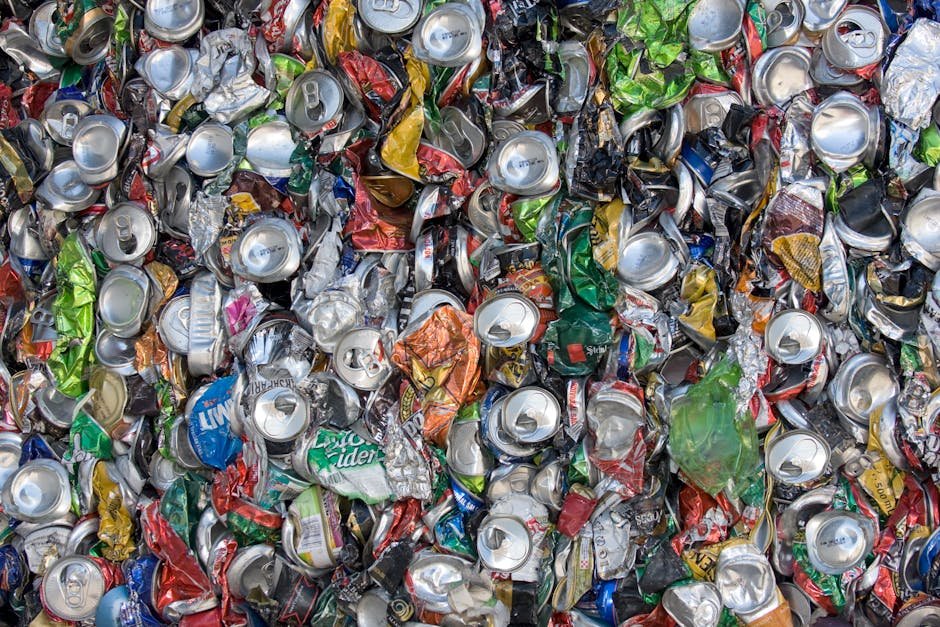
- Aluminium Cans (Grade 801): High-purity scrap from beverage containers, ideal for remelting due to low contamination.
- Aluminium Extrusions (Grade 501): Used in construction and automotive parts, these require careful sorting to maintain alloy integrity.
- Aluminium Automotive (Grade 500): Includes engine blocks and radiators, often mixed with other metals requiring separation.
- Industrial Scrap (Grade 100): Clean, pre-consumer materials from manufacturing facilities, valued for their minimal processing needs.
Accurate grading ensures optimal aluminium price for sellers and quality input for recyclers. For detailed guidance on bulk sales, see the Bulk Aluminium Scrap Buying Guide.
How Aluminium Recycling Works
The recycling process transforms scrap into reusable material through four stages:
- Collection: Scrap is gathered from industries, households, or aluminium scrap buyers via local dealers or drop-off centres.
- Sorting: Advanced sensors and manual checks separate alloys and remove contaminants like paint or steel.
- Melting: Scrap is heated in furnaces to produce molten aluminium, requiring 5% of the energy needed for primary production.
- Remanufacturing: Molten metal is cast into ingots or rolled into sheets, ready for reuse in aluminium scrap recycling applications.
For real-time market updates, join the Aluminium Scrap Whatsapp Group to stay informed on aluminium price fluctuations.
Environmental Benefits of Recycling Aluminium
Recycling aluminium reduces environmental impact in three key ways:
- Energy Savings: Producing recycled aluminium saves 95% of the energy required for new aluminium, cutting carbon emissions significantly.
- Landfill Reduction: Every tonne of recycled aluminium diverts waste from landfills, preserving natural resources.
- Resource Conservation: Recycling extends the lifecycle of raw materials like bauxite, reducing mining-related deforestation.
For cross-border insights, explore Scrap Dealer India to compare global recycling practices.
Practical Tips for Working with an Aluminium Scrap Dealer
Maximize your returns and sustainability impact with these strategies:
- Segregate Grades: Keep different grades separated to avoid contamination and ensure higher aluminium price offers.
- Remove Non-Aluminium Materials: Strip out steel, plastic, or composite parts to increase the purity of your scrap.
- Track Market Trends: Use platforms like Scrap Trade to monitor aluminium price fluctuations and sell strategically.
- Partner with Certified Dealers: Choose Scrap Trade Australia for transparent pricing and eco-friendly practices.
For bulk sales, consult the Bulk Aluminium Scrap Buying Guide to optimize your transaction.
Economic Impact of Aluminium Scrap Trading
The aluminium trade supports Australia’s economy by:
- Creating jobs in recycling and manufacturing sectors.
- Reducing reliance on imported raw materials.
- Boosting industries like aluminium extrusion and construction.
Dealers also benefit from stable demand in sectors like packaging and aerospace, where recycled aluminium is preferred for its cost-effectiveness.
Future of Aluminium Recycling in Australia
Technological advancements are reshaping the industry:
- AI Sorting: Machine learning systems improve grade accuracy and reduce processing time.
- Green Energy Integration: Solar-powered smelters and electric scrap collection vehicles lower the carbon footprint.
- Circular Economy Models: Collaborations between aluminium scrap buyers and manufacturers ensure zero-waste production cycles.
Stay ahead by adopting these innovations and partnering with forward-thinking aluminium scrap dealers.
Conclusion
Choosing a reputable aluminium scrap dealer is essential for sustainable resource management. By understanding grades, mastering the recycling process, and leveraging environmental benefits, stakeholders can drive profitability and eco-conscious growth. Utilize tools like the Aluminium Scrap Whatsapp Group for community insights, and consult Scrap Trade for market intelligence.
Frequently Asked Questions
What are the most valuable grades of aluminium scrap?
High-purity grades like aluminium cans (Grade 801) and industrial scrap (Grade 100) are most valuable due to minimal contamination and ease of remelting.
How does recycling aluminium benefit the environment?
Recycling aluminium saves 95% of the energy required for producing new aluminium, reduces landfill waste, and lowers greenhouse gas emissions.
Can I sell mixed aluminium scrap for a good price?
Mixed grades typically fetch lower prices. Sorting by alloy and removing contaminants improves value and aligns with bulk buying guidelines.
Where can I find reliable aluminium scrap buyers in Australia?
Reputable dealers include Scrap Trade Australia, known for transparent pricing and eco-friendly recycling practices.