
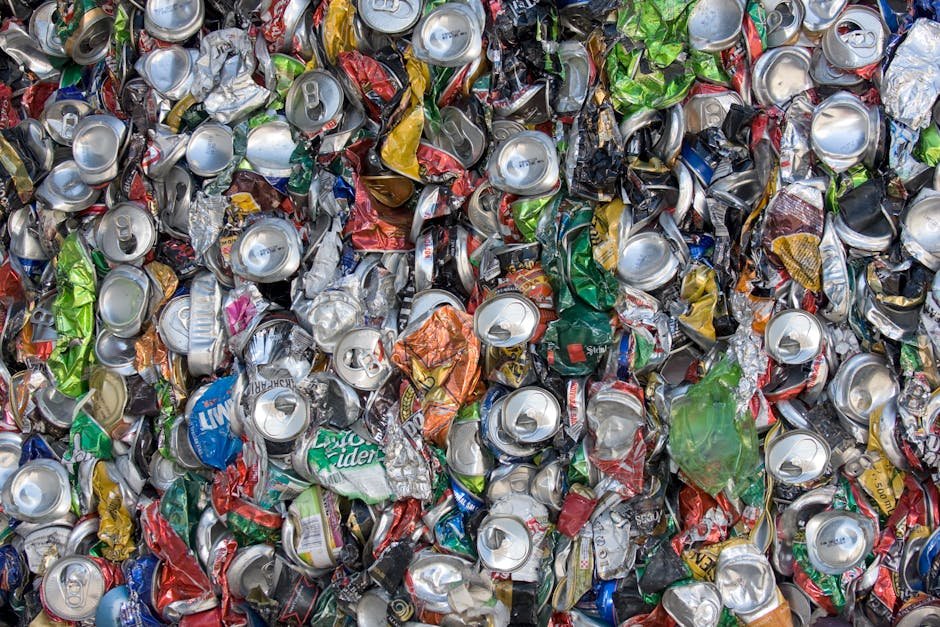

Scrap of aluminium is a vital resource in Australia’s circular economy, offering both economic and environmental value. From everyday items like aluminium cans to industrial aluminium extrusion remnants, understanding the grades, recycling process, and environmental impact of scrap of aluminium is essential for businesses and individuals alike. This guide provides a comprehensive overview of the topic.
Grades of Aluminium Scrap and Their Applications
Aluminium scrap is categorized into specific grades based on purity, form, and intended reuse. These grades determine the material’s suitability for different manufacturing processes. The most common grades include:
- Grade 1100 (Commercially Pure): High-purity aluminium used in chemical equipment and consumer goods.
- Grade 3003 (Manganese Alloy): Corrosion-resistant and commonly used in storage tanks and heat exchangers.
- Grade 5052 (Magnesium and Chromium Alloy): Ideal for marine applications and chemical processing due to its strength and corrosion resistance.
- Grade 6061 (Silicon and Magnesium Alloy): A versatile structural alloy used in construction and automotive parts.
- Grade 6063 (Silicon Alloy): Frequently found in aluminium extrusion for architectural profiles and window frames.
- Grade 7075 (Zinc Alloy): High-strength alloy used in aerospace applications and heavy machinery.
Proper grading ensures maximum recovery and value when recycling aluminium scrap. For instance, aluminium cans are typically 3004 or 3104 grade, while industrial aluminium scrap may vary depending on the application. Always consult a recycling specialist to grade your materials accurately before selling via platforms like Sell Scrap.
The Recycling Process of Aluminium Scrap
Recycling scrap of aluminium is a highly efficient process compared to primary production. Here’s how it works:
1. Collection and Sorting
Used aluminium cans, aluminium extrusion, and other materials are collected and sorted by grade. Contaminants like plastics or other metals are removed to ensure purity.
2. Shredding and Melting
The sorted scrap is shredded and then melted in furnaces at temperatures around 660°C. This step recovers the base metal while minimizing energy consumption.
3. Refining and Casting
The molten metal is refined to remove impurities and then cast into ingots or billets. These are ready for reuse in manufacturing processes.
4. Reuse in Manufacturing
Recycled aluminium is used to produce new products such as beverage cans, aluminium extrusion components, or automotive parts. The entire process uses just 5% of the energy required to produce new aluminium from bauxite.
Environmental Benefits of Recycling Aluminium
Recycling scrap of aluminium offers significant environmental advantages:
- Energy Efficiency: Recycling saves over 95% of the energy needed to produce new aluminium, reducing greenhouse gas emissions.
- Landfill Reduction: Diverting aluminium cans and industrial scrap from landfills conserves space and reduces leaching of harmful substances.
- Resource Conservation: Recycling extends the lifecycle of aluminium, reducing the need for raw bauxite mining and preserving ecosystems.
- Carbon Footprint: The production of 1 ton of recycled aluminium emits 90% less carbon dioxide compared to primary production.
By participating in recycling programs, businesses and consumers contribute to a sustainable future. Platforms like ScrapTrade facilitate this process by connecting buyers and sellers of aluminium scrap efficiently.
Trading and Selling Aluminium Scrap in Australia
Selling scrap of aluminium in Australia is streamlined through digital platforms designed to maximize value and efficiency. Here’s how it works:
1. Assessing Your Scrap
Determine the grade, weight, and form of your aluminium scrap. Industrial remnants, aluminium extrusion offcuts, and aluminium cans all have different market values.
2. Choosing a Marketplace
Platforms like Scrap allow sellers to list their materials with real-time aluminium price tracking. This ensures you receive competitive offers and avoid underpricing your materials.
3. Logistics and Delivery
Arrange pickup or delivery for your aluminium scrap. For large quantities, aluminium scrap tread trucks are often used to transport materials efficiently.
4. Payment and Documentation
Once the transaction is complete, receive payment via secure methods and retain documentation for tax and compliance purposes. Platforms like What Is Scrap Trade provide clear guidelines for seamless transactions.
Practical Tips for Maximizing Value
To get the most from your scrap of aluminium, follow these strategies:
- Keep Materials Clean: Remove contaminants like paint or oils to increase the purity and value of your aluminium scrap.
- Store Scrap Properly: Avoid stacking heavy materials on top of softer grades to prevent damage and contamination.
- Monitor Aluminium Price Trends: Use tools like Scrap Trade to track market fluctuations and sell at optimal times.
- Bundle for Better Bids: Larger quantities often attract higher offers, especially for high-grade aluminium extrusion or aluminium cans.
Challenges in Aluminium Scrap Recycling
While recycling scrap of aluminium is beneficial, challenges exist:
- Contamination: Non-aluminium materials mixed in the scrap stream can reduce the value of recycled products.
- Sorting Costs: Advanced sorting technologies are required to separate different grades efficiently.
- Market Fluctuations: The aluminium price can vary significantly, affecting the profitability of selling aluminium scrap.
Addressing these challenges requires collaboration between recyclers, manufacturers, and policymakers to ensure sustainable practices.
Future of Aluminium Scrap in Australia
Australia is investing in circular economy initiatives to boost aluminium recycling. Innovations in aluminium extrusion technology and increased public awareness are driving higher recycling rates. By 2030, the country aims to achieve a 70% recycling rate for aluminium cans and industrial scrap.
Platforms like Scrap Trade play a critical role in this transition by providing transparent pricing, efficient logistics, and educational resources for aluminium scrap trading.
Conclusion
Scrap of aluminium is a cornerstone of sustainable resource management. From grading and recycling to environmental impact and trading, understanding this material empowers businesses and individuals to contribute to a greener future. By leveraging platforms like Scrap Trade and ScrapTrade, you can maximize the value of your aluminium scrap while supporting Australia’s recycling goals.
What are the most common grades of aluminium scrap?
The most common grades are 1100 (pure aluminium), 3003 (manganese alloy), 5052 (magnesium chromium alloy), and 6061 (silicon magnesium alloy). Each grade is suited to specific manufacturing needs.
How does recycling aluminium benefit the environment?
Recycling saves 95% of the energy required to produce new aluminium, reduces landfill waste, and lowers carbon emissions. It also conserves raw materials like bauxite.
Where can I sell my aluminium scrap in Australia?
Platforms like Sell Scrap and ScrapTrade connect buyers and sellers. Ensure your materials are graded and cleaned for optimal value.
Why is grading important for aluminium scrap?
Grading ensures the scrap is sorted by purity and form, maximizing its reuse potential. Misgraded materials can reduce the efficiency of recycling processes.
Related: aluminium scrap tread
Frequently Asked Questions
What are the most common grades of aluminium scrap?
The most common grades are 1100 (pure aluminium), 3003 (manganese alloy), 5052 (magnesium chromium alloy), and 6061 (silicon magnesium alloy). Each grade is suited to specific manufacturing needs.
How does recycling aluminium benefit the environment?
Recycling saves 95% of the energy required to produce new aluminium, reduces landfill waste, and lowers carbon emissions. It also conserves raw materials like bauxite.
Where can I sell my aluminium scrap in Australia?
Platforms like Sell Scrap and ScrapTrade connect buyers and sellers. Ensure your materials are graded and cleaned for optimal value.
Why is grading important for aluminium scrap?
Grading ensures the scrap is sorted by purity and form, maximizing its reuse potential. Misgraded materials can reduce the efficiency of recycling processes.