
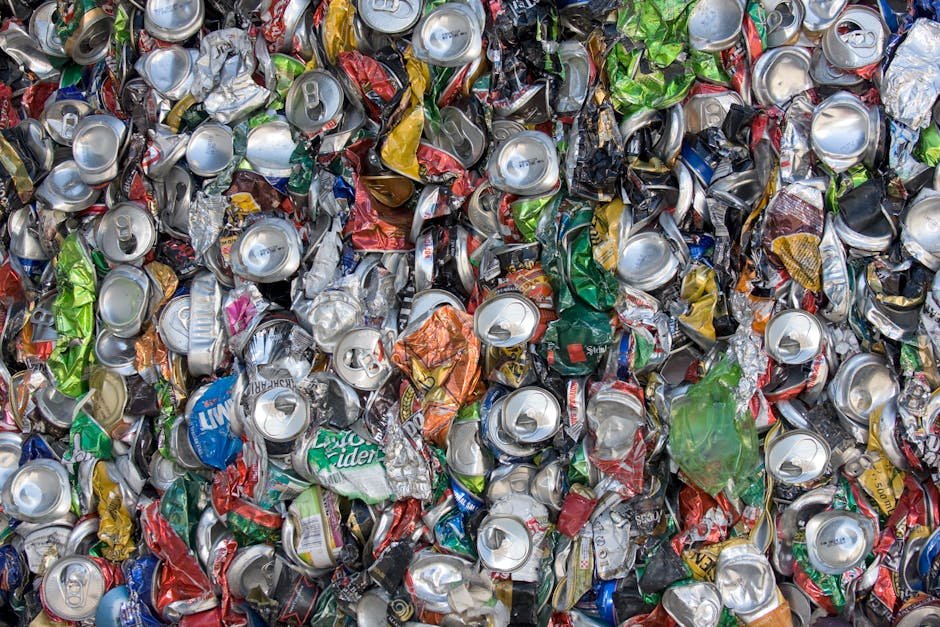

Aluminum scrap is a versatile and valuable resource in the recycling industry, offering environmental and economic benefits. This guide explores the grades of aluminum scrap, the science behind recycling, and practical steps for maximizing its value. By understanding these elements, individuals and businesses can contribute to sustainability while capitalizing on market opportunities.
Understanding Aluminum Scrap Grades
Aluminum scrap is classified into distinct grades based on its source, purity, and usability. The most common categories include:
- Used aluminum: Includes items like aluminum cans, automotive parts, and construction materials. This category is further divided into “clean scrap” (e.g., sorted cans) and “dirty scrap” (e.g., mixed industrial waste).
- Aluminum ingots and billets: High-purity scrap from casting or extrusion processes, often used in manufacturing.
- Aluminum dross: A byproduct of melting operations, which can be processed to recover usable metal.
Grades like 6061 (structural components) and 3003 (sheet metal) are widely traded. For detailed price forecasts, see Aluminum Scrap Price In 2026, which analyzes market trends affecting these grades.
The Aluminum Scrap Recycling Process
Recycling aluminum scrap is a multi-step process that conserves energy and reduces environmental impact. Here’s how it works:
- Collection and Sorting: Scrap is gathered from households, industries, and Sell Scrap platforms, then sorted by grade using optical scanning or manual methods.
- Shredding and Cleaning: Large items are shredded, while contaminants like plastics or coatings are removed via eddy current separators.
- Melting: The cleaned scrap is melted at 660°C in specialized furnaces, consuming just 5% of the energy required to produce primary aluminum.
- Casting: Molten metal is poured into molds to create ingots or billets, ready for use in aluminum extrusion or other manufacturing processes.
For an in-depth look at how aluminum scrap recycling works, explore our full breakdown of the technology and logistics involved.
Environmental Benefits of Recycling Aluminum
Recycling aluminum scrap significantly reduces resource consumption and pollution compared to mining bauxite ore. Key benefits include:
- Energy Savings: Recycling uses 95% less energy than producing new aluminum, cutting reliance on fossil fuels.
- CO2 Reduction: For every ton of scrap recycled, approximately 10 tons of CO2 emissions are avoided.
- Landfill Diversion: Aluminum takes centuries to decompose, so recycling prevents waste from entering landfills.
According to the International Aluminum Institute, global recycling rates have increased by 20% over the past decade, demonstrating the growing importance of sustainable practices in the industry.
Practical Tips for Selling Aluminum Scrap
Maximizing profits from aluminum scrap requires attention to sorting, timing, and market research:
- Sort Scrap by Grade: Separate clean scrap (e.g., cans) from dirty scrap to fetch higher prices.
- Monitor Aluminum Price Trends: Track aluminum price fluctuations using platforms like Scrap Trade to time sales strategically.
- Prepare for Collection: Clean scrap of contaminants like paint or dirt to meet buyer specifications.
- Use Reputable Platforms: ScrapTrade offers transparent pricing and streamlined transactions for Australian sellers.
For step-by-step guidance, visit What Is Scrap Trade to learn how to optimize your sales strategy.
Current Market Trends and Future Outlook
The aluminum scrap market is influenced by global demand for lightweight materials in automotive and construction sectors. In 2026, prices are projected to rise due to supply chain constraints and increased adoption of electric vehicles. Key trends include:
- Technological Innovations: AI-driven sorting systems improve efficiency in separating scrap of aluminium by grade.
- Government Incentives: Australia’s National Waste Policy Action Plan aims to boost recycling rates by 40% by 2030.
- Export Opportunities: Asia’s demand for Australian aluminum scrap is expected to grow, driven by its manufacturing boom.
Stay ahead of these trends by accessing Aluminum Scrap Price In 2026 for projections and actionable insights.
Challenges in Aluminum Scrap Recycling
Despite its benefits, the industry faces challenges such as contamination from mixed metals and fluctuating aluminum price volatility. Solutions include:
- Investing in advanced sorting technologies to identify and separate aluminum extrusion waste.
- Collaborating with manufacturers to design products using easily recyclable grades.
- Public education campaigns to encourage proper segregation of aluminum cans and household scrap.
Platforms like Scrap Trade are addressing these issues by offering real-time price tracking and contamination testing services.
Conclusion: Embracing a Circular Economy
Aluminum scrap plays a vital role in transitioning to a circular economy, where materials are reused infinitely. By understanding grades, recycling methods, and market dynamics, stakeholders can reduce environmental footprints while generating revenue. Whether you’re a small business owner or a DIY enthusiast, contributing to this ecosystem supports Australia’s sustainability goals and strengthens the global recycling network.
Final Thoughts on Aluminum Scrap Utilization
From household aluminum cans to industrial aluminum extrusion, every piece of scrap holds value. As technology advances and demand for sustainable materials grows, the potential for innovation in recycling processes is immense. By leveraging platforms like Scrap Trade and ScrapTrade, individuals and businesses can stay informed and active participants in this critical industry.
Related: scrap of aluminium
Frequently Asked Questions
What are the main grades of aluminum scrap?
The main grades include used aluminum (e.g., cans), clean scrap (sorted materials), and dirty scrap (mixed industrial waste). Each grade has distinct purity levels and applications.
How is aluminum scrap recycled?
Recycling involves collection, sorting, shredding, melting, and casting. The process saves 95% of the energy required to produce new aluminum, making it highly efficient.
What are the environmental benefits of recycling aluminum?
Recycling reduces energy consumption, cuts CO2 emissions, and minimizes landfill waste. It also conserves natural resources by reducing reliance on bauxite mining.
How can I sell aluminum scrap effectively?
Sort scrap by grade, monitor aluminum price trends, clean materials of contaminants, and use transparent platforms like Scrap Trade for competitive pricing.