
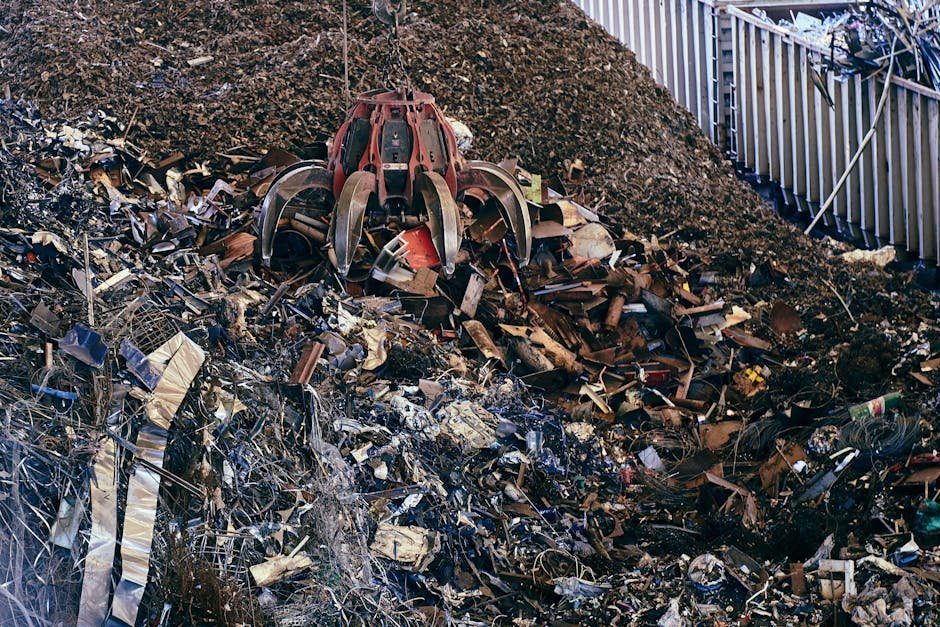

Buying scrap metals is a strategic way to source materials for projects, industrial use, or investment. Whether you’re a small business owner, a construction manager, or an eco-conscious individual, understanding how to buy scrap in Australia ensures you access quality materials at fair prices while supporting sustainable practices. This guide covers everything you need to know, from finding trusted dealers to maximizing value and environmental impact.
Where to Find Trusted Scrap Buyers in Australia
Locating reputable scrap buyer networks is the first step in the process. In Australia, trusted metal buyer platforms like Scrap Trade offer verified listings of dealers across the country. These platforms streamline the buy scrap process by allowing users to compare pricing, request quotes, and arrange pickups for large quantities. Here’s how to identify reliable sources:
- Check online directories for trusted dealers with verified reviews and certifications.
- Use local trade associations or industry groups to recommend reputable scrap buyer networks.
- Explore online marketplaces like Scrap Trade for real-time price tracking and dealer comparisons.
- Attend trade shows or recycling expos to connect with established metal buyer organizations.
Understanding Scrap Metal Pricing and Market Trends
Scrap metal prices fluctuate based on global demand, material type, and location. To get the best value when buy scrap, understand these factors:
- Base Metals: Copper, aluminum, and brass prices are influenced by manufacturing activity and export markets.
- Black Metals: Ferrous metals like steel and iron are priced lower than non-ferrous metals but remain essential for construction and automotive industries.
- Regional Variations: Prices vary by state due to proximity to ports, local demand, and transportation costs.
- Payment Models: Some dealers offer fixed pricing, while others use live market rates updated daily.
To stay informed, use tools like Scrap Trade for real-time pricing data or follow industry reports from ScrapTrade.com.au.
The Scrap Buying Process: What to Expect
The buy scrap process involves several steps to ensure a smooth transaction:
- Assessment: Determine the type, weight, and grade of scrap you need. For example, buy aluminium scrap for lightweight applications or source steel for heavy-duty projects.
- Quotes: Request multiple quotes from trusted dealers to compare prices and services.
- Delivery: Arrange transport options, such as pickup, drop-off, or freight services, depending on the quantity.
- Inspection: Verify the material quality before payment to avoid discrepancies.
- Payment: Confirm payment terms, including cash, bank transfer, or invoice-based settlements.
For detailed guidance, explore Buy Scrap on Scrap Trade’s platform.
Grades of Scrap Metal and Their Uses
Scrap metals are categorized into grades based on purity, form, and application. Understanding these grades helps you buy scrap tailored to your needs:
- Aluminum Grades: 6061, 6063, and 3003 are common grades for industrial and construction use. Buy aluminium scrap for high-strength applications.
- Copper Grades: OFHC (Oxygen-Free High-Conductivity) copper is ideal for electrical wiring, while Cu 1020 is used in plumbing.
- Steel Grades: Mild steel (e.g., A36) is cost-effective for general use, while stainless steel (e.g., 304) resists corrosion.
- Brass Grades: Muntz metal (CuZn37) is popular in marine environments, while 660 brass is used in electrical components.
Consult dealers for grade-specific recommendations or refer to get scrap guides for technical details.
How Scrap Metal Recycling Works
Recycling scrap metal involves collecting, processing, and repurposing materials to reduce waste and conserve resources. Here’s an overview of the process:
- Collection: Scrap is gathered from industries, demolition sites, or households. Sell scrap through certified recyclers to ensure ethical practices.
- Sorting: Materials are separated by type using manual or automated systems to remove contaminants.
- Shredding/Processing: Large items are shredded, melted, or compacted for easier handling.
- Refining: Metals are purified to meet industry-grade standards before being sent to manufacturers.
- Repurposing: Recycled metals are used to produce new products, reducing the need for raw material extraction.
Explore What Is Scrap Trade to learn how platforms facilitate this cycle.
Environmental Benefits of Buying and Recycling Scrap
Purchasing scrap metals supports sustainability by:
- Reducing Landfill Waste: Recycling diverts millions of tons of metal from landfills annually.
- Conserving Energy: Producing new metal from recycled materials uses 95% less energy than mining and refining raw ore.
- Lowering Emissions: Recycling reduces greenhouse gas emissions by up to 70% compared to traditional manufacturing.
- Promoting Circular Economy: Reusing metals closes the resource loop, minimizing environmental degradation.
By choosing to buy scrap, you contribute to a greener future while securing cost-effective materials. Learn more about the environmental impact of metal recycling.
Practical Tips for Buying Scrap in Australia
Maximize your buy scrap experience with these expert tips:
- Research Market Trends: Monitor price fluctuations using Scrap Trade to time purchases strategically.
- Build Relationships: Partner with trusted dealers for long-term benefits like bulk discounts and priority service.
- Verify Certifications: Ensure dealers comply with ISO 14001 or other environmental standards for ethical practices.
- Compare Grades: Ask for material test certificates (MTCs) to confirm the quality of buy aluminium scrap or other metals.
- Plan Logistics: Use freight calculators on platforms like Scrap Trade to minimize transportation costs.
Conclusion: Make Informed Scrap Buying Decisions
Buying scrap metals in Australia requires a balance of market knowledge, supplier trust, and sustainability awareness. By leveraging platforms like Scrap Trade, you can access real-time pricing, verified dealers, and grade-specific resources. Whether you’re buying scrap for commercial use or environmental reasons, prioritizing quality, transparency, and eco-friendly practices ensures long-term success.
Ready to start? Buy Scrap today and contribute to a circular economy while securing top-tier materials at competitive rates.
FAQs
Related: get scrap
Frequently Asked Questions
What types of scrap can I buy in Australia?
You can purchase ferrous metals like steel and iron, as well as non-ferrous metals such as aluminum, copper, and brass. Specialty grades are also available for industrial applications.
How are scrap metal prices determined?
Prices depend on global demand, material purity, and regional factors. Platforms like Scrap Trade provide real-time market data for accurate pricing.
What should I look for in a trusted scrap buyer?
Check certifications, customer reviews, and transparency in pricing. Reputable metal buyer networks often offer inspection services and guaranteed quality.
How does recycling scrap metal benefit the environment?
Recycling reduces energy use, minimizes mining, and lowers greenhouse gas emissions. It also keeps waste out of landfills, promoting resource efficiency.