
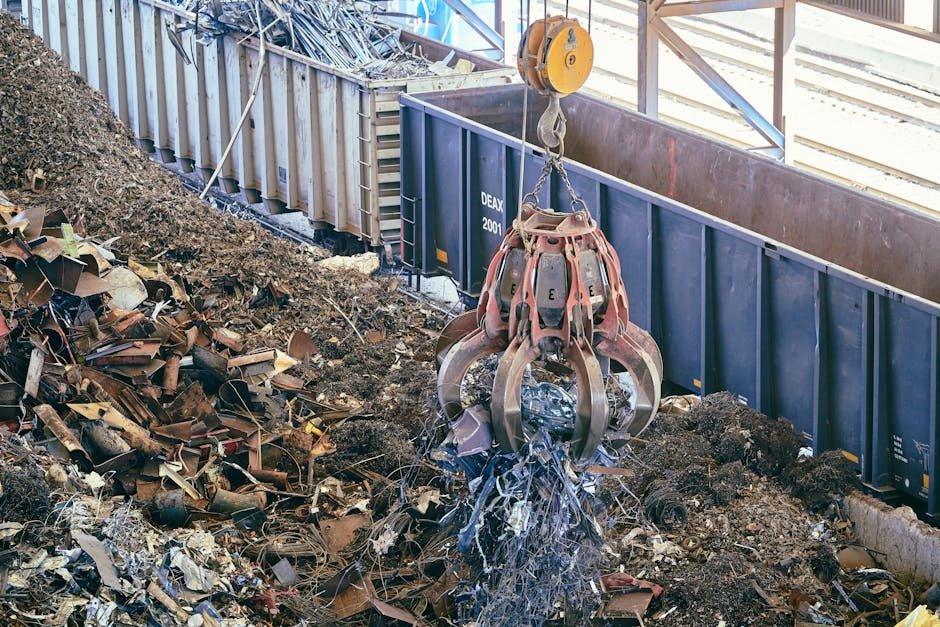

PT recycling (acacia scrap metal) plays a pivotal role in Australia’s circular economy by transforming scrap metal into reusable materials. This process not only conserves natural resources but also reduces energy consumption and industrial waste. Understanding the grades of scrap, the recycling workflow, and the environmental benefits ensures businesses and individuals can contribute meaningfully to sustainable practices. With the right knowledge, anyone can participate in PT recycling (acacia scrap metal) to maximize value and minimize environmental harm.
The Grades of Acacia Scrap Metal
Acacia scrap metal, commonly referred to as PT (pre-treated) scrap, is categorized into distinct grades based on its origin, composition, and condition. These grades determine its market value and suitability for specific industrial applications. The primary grades include:
- Grade A (Clean Plate and Sheet): High-quality, corrosion-free metal from sources like automotive parts or machinery. Ideal for melting and producing new steel products.
- Grade B (Washed and Cleaned): Slightly weathered but sorted and cleaned. Often repurposed for construction materials.
- Grade C (Mixed and Unsorted): Contains non-ferrous metals mixed with ferrous scrap. Requires additional processing for separation.
- Grade D (Heavy and Dense): Large, dense objects like industrial machinery or transformers. Demands specialized equipment for recycling.
Accurate grading ensures efficient recycling and maximizes profitability for scrap metal recyclers. For instance, Grade A material commands higher prices due to its purity, while Grade D may require more labor-intensive handling.
How the PT Recycling Process Works
PT recycling (acacia scrap metal) follows a structured workflow to convert waste into reusable raw materials. Here’s a step-by-step breakdown:
- Collection and Sorting: Scrap metal is gathered from industries, demolition sites, or consumer disposal. Sorting separates metals by type and grade.
- Pretreatment: Contaminants like paint, oil, or hazardous materials are removed using washing, shearing, or shredding techniques.
- Shredding and Baling: Large scrap is shredded into smaller pieces or baled for easier transport and melting.
- Smelting and Casting: The processed metal is melted in furnaces and cast into ingots or billets for reuse in manufacturing.
- Quality Control: Final products are tested for purity and structural integrity to meet industry standards.
This process is highly energy-efficient compared to mining raw ore. For example, recycling steel saves up to 60% of the energy required for primary production. Platforms like Scrap Metal Recycling Near Me streamline access to certified recyclers who adhere to these standards.
Environmental Benefits of PT Recycling
PT recycling (acacia scrap metal) offers significant ecological advantages, making it a cornerstone of sustainable manufacturing. Key benefits include:
- Resource Conservation: Recycling reduces the need for virgin ore extraction, preserving ecosystems and biodiversity.
- Energy Efficiency: Melting scrap uses 50-70% less energy than producing new metal from raw materials.
- Waste Reduction: Diverting scrap from landfills minimizes soil and water contamination from leaching metals.
- Carbon Emission Cuts: Recycling steel and aluminum alone can reduce carbon emissions by up to 1.5 billion tons annually globally.
Australia’s commitment to scrap metal recycling solutions has helped the nation achieve one of the highest recycling rates in the OECD, setting a benchmark for global sustainability efforts.
Practical Tips for Effective Scrap Metal Recycling
Maximizing the value of PT recycling (acacia scrap metal) requires strategic planning. Here are actionable tips for businesses and individuals:
- Sort Scrap Accurately: Separate metals by type and grade to avoid contamination. For example, keep aluminum away from ferrous metals.
- Partner with Certified Recyclers: Choose facilities with ISO certifications, like those listed on Sell Scrap Metal Near Me In 2026, to ensure ethical and efficient processing.
- Document and Track: Maintain records of scrap types and quantities to optimize future recycling efforts and tax deductions.
- Use Scrap Trading vs Recycling Business Insights: Understand whether trading or recycling offers better returns for your specific metal inventory.
For large-scale operations, scrap metal recycling solutions can automate sorting and grading, reducing manual labor and increasing profitability.
The Role of Technology in Modern Recycling
Advancements in technology have revolutionized PT recycling (acacia scrap metal). Innovations like AI-driven sorting systems and robotic baling machines enhance efficiency and accuracy. For example, eddy current separators automatically isolate non-ferrous metals, reducing human error. Platforms like scrap metal recycling services leverage these tools to offer real-time pricing and logistics support, ensuring fair compensation for recyclers.
Why Choose Specialized Recycling Services?
Not all scrap metal requires the same treatment. Specialized services for PT recycling (acacia scrap metal) ensure compliance with industry regulations and maximize material recovery. Key advantages include:
- Expertise: Certified recyclers handle hazardous materials safely, adhering to Australian environmental laws.
- Scalability: Whether you have a few kilograms or a truckload, professional services accommodate all volumes.
- Transparency: Detailed reports on recycling processes and outcomes provide accountability for businesses seeking ESG (Environmental, Social, Governance) compliance.
Explore options at https://scrap.trade or https://scraptrade.com.au to find trusted partners in your region.
Conclusion: Embracing the Future of Metal Recycling
PT recycling (acacia scrap metal) is more than an industry—it’s a commitment to sustainability. By understanding grades, processes, and environmental impacts, stakeholders can drive innovation and profitability. Whether you’re a small business owner or a large manufacturer, partnering with professional recyclers ensures your scrap contributes to a greener future. Start today by reaching out to Scrap Metal Recycling Near Me for tailored solutions.
Frequently Asked Questions
What is PT recycling (acacia scrap metal)?
PT recycling (acacia scrap metal) refers to the process of reclaiming and repurposing pre-treated metal waste into new raw materials, reducing the need for mining and supporting sustainable manufacturing.
How are scrap metal grades determined?
Scrap metal grades are classified based on purity, size, and contamination levels. Grades like A-D indicate quality, with Grade A being the highest and most valuable due to its clean, usable state.
What are the environmental benefits of recycling acacia scrap metal?
Recycling acacia scrap metal reduces energy consumption by up to 70%, minimizes landfill waste, and cuts carbon emissions, making it a critical practice for environmental conservation.
How can I find a reliable scrap metal recycler?
Use platforms like Scrap Metal Recycling Near Me to locate certified recyclers in your area, ensuring compliance with safety and sustainability standards.