
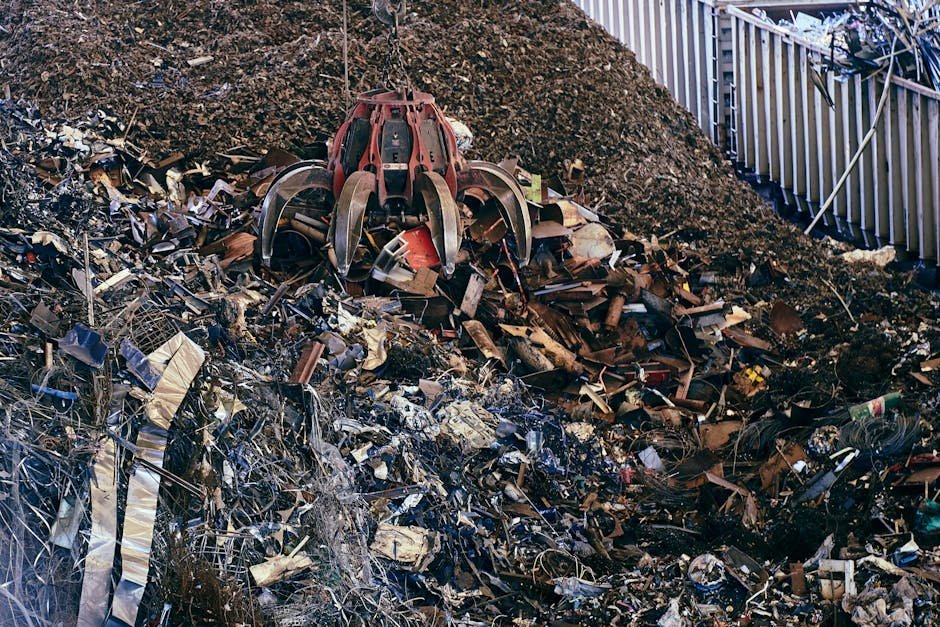

Introduction to Scrap Online
Scrap online has revolutionized the way individuals and businesses trade and recycle materials. By leveraging digital platforms, scrap online enables efficient transactions, competitive pricing, and environmental stewardship. From ferrous metals to electronic waste, the scrap online ecosystem supports a circular economy while addressing global resource challenges. This guide explores the key aspects of scrap online, including grades of scrap, the recycling process, and the environmental benefits of adopting this sustainable approach.
Grades of Scrap: Understanding Value and Classification
Scrap materials are categorized into grades based on composition, purity, and market demand. The primary classifications include:
- Ferrous Scrap: Contains iron and steel, such as car shells and construction debris. It’s valuable due to its magnetic properties and widespread industrial use.
- Non-Ferrous Scrap: Includes aluminum, copper, and brass. These metals are non-magnetic and often command higher prices due to their conductivity and versatility.
- Non-Metallic Scrap: Covers plastic, paper, and glass. While less profitable than metals, recycling these materials reduces landfill waste and conserves natural resources.
For example, aluminum cans fall under non-ferrous scrap and are highly sought after for beverage production. Meanwhile, mixed paper is a common non-metallic grade used in packaging. Knowing these grades helps traders maximize profits and meet industry standards.
How Recycling Works: From Collection to Reuse
The recycling process involves several stages, ensuring materials are repurposed efficiently:
- Collection: Scrap is gathered from households, industries, or dedicated online scrap auctions. Bulk haulers or local councils often facilitate this step.
- Sorting: Materials are separated by type using manual labor, magnets, or optical sorters. Proper sorting prevents contamination and enhances recyclability.
- Processing: Scrap is shredded, melted, or compacted depending on its grade. For instance, ferrous metals are melted in blast furnaces, while plastics are granulated for reuse.
- Refining: Impurities are removed to create raw materials for manufacturing. Recycled glass is often remelted into new bottles, while electronic waste is dissected to recover precious metals like gold.
- Redistribution: Recycled materials are sold to industries for producing new products, completing the circular economy loop.
Platforms like scrap trade online streamline this process by connecting buyers and sellers, ensuring transparency and competitive pricing.
Environmental Benefits of Scrap Recycling
Scrap recycling offers significant environmental advantages, making it a cornerstone of sustainable development:
- Resource Conservation: Recycling reduces the need to mine raw materials, preserving ecosystems and biodiversity. For example, recycling steel uses 60% less energy than producing new steel from iron ore.
- Energy Savings: Manufacturing products from recycled materials consumes less energy. Producing aluminum from scrap saves up to 95% of the energy required for virgin aluminum.
- Landfill Reduction: Proper recycling diverts waste from landfills, mitigating soil and water pollution. In Australia, plastic recycling alone could reduce landfill waste by 30% annually.
- Carbon Emission Cuts: Recycling lowers greenhouse gas emissions by reducing industrial energy consumption. The global scrap industry is estimated to cut CO2 emissions by 700 million tons yearly.
By participating in scrap online initiatives, individuals and businesses directly contribute to these environmental goals. For instance, trading through leading scrap trade online platforms ensures your efforts align with global sustainability targets.
Why Trade Scrap Online? Trends and Advantages
The rise of online scrap metal trading has transformed the industry, offering benefits for both buyers and sellers:
- Market Transparency: Digital platforms provide real-time pricing data, helping sellers secure fair returns for their materials.
- Convenience: Online trading eliminates the need for physical negotiations, allowing transactions from any location. Why scrap sellers are moving online highlights this shift, driven by time and cost savings.
- Competitive Bidding: Auctions on sites like Online Scrap Auction ensure competitive offers, maximizing profits for sellers.
- Environmental Accountability: Online platforms often track recycling metrics, enabling users to quantify their sustainability impact.
Whether you’re a small business disposing of metal waste or an investor in recycled materials, scrap online platforms provide unparalleled efficiency and scalability.
Practical Tips for Scrap Online Success
To optimize your scrap online experience, follow these actionable strategies:
- Know Your Grades: Research local market demand for specific grades. For example, non-ferrous metals like copper often fetch higher prices than ferrous scrap.
- Choose Reputable Platforms: Use trusted sites like scrap trade online to avoid fraud and ensure secure transactions.
- Prepare Materials Properly: Clean and sort scrap before listing it online. Contaminated materials may be rejected or valued lower.
- Monitor Market Trends: Track price fluctuations using online tools. For instance, steel prices often correlate with global construction activity.
- Engage in Bulk Trading: Larger volumes attract more bidders at Online Scrap Auction, increasing your chances of a fair deal.
These tips empower traders to navigate the scrap online ecosystem effectively, balancing profitability with sustainability.
The Future of Scrap Online: Innovations and Opportunities
Advancements in technology are shaping the future of scrap online trading:
- AI-Powered Sorting: Machine learning algorithms improve material classification, reducing manual labor costs.
- Blockchain Transparency: Immutable ledgers track material origins and recycling histories, boosting trust in the supply chain.
- IoT Integration: Smart sensors in bins and haulers automate data collection, optimizing logistics for large-scale online scrap metal trading.
- Global Marketplaces: Cross-border trading platforms expand access to international buyers, creating new revenue streams for Australian traders.
As these innovations mature, scrap online will become even more efficient, bridging gaps between sustainability and economic growth.
Conclusion: Embracing Sustainable Scrap Trading
Scrap online is more than a business model—it’s a pathway to a greener future. By understanding grades, mastering the recycling process, and leveraging digital platforms, individuals and industries can drive environmental progress while reaping financial rewards. Whether you’re a first-time seller or an established trader, embracing scrap online ensures your contributions align with Australia’s sustainability goals. For seamless trading, explore scrap trade online and join a community committed to resource efficiency and innovation.
Related: scrap trade online
Frequently Asked Questions
What are the main grades of scrap?
Scrap is categorized into ferrous (iron/steel), non-ferrous (aluminum/copper), and non-metallic (plastic/paper). Each grade has distinct uses and market values.
How does recycling scrap help the environment?
Recycling conserves resources, reduces energy consumption, minimizes landfill waste, and cuts carbon emissions by repurposing materials instead of extracting new ones.
Why is trading scrap online beneficial?
Online trading offers transparency, competitive pricing, convenience, and environmental accountability, making it ideal for both buyers and sellers.
How can I start trading scrap online?
Begin by researching local grades, choosing a reputable platform like scrap trade online, and preparing your materials for listing or bidding.