
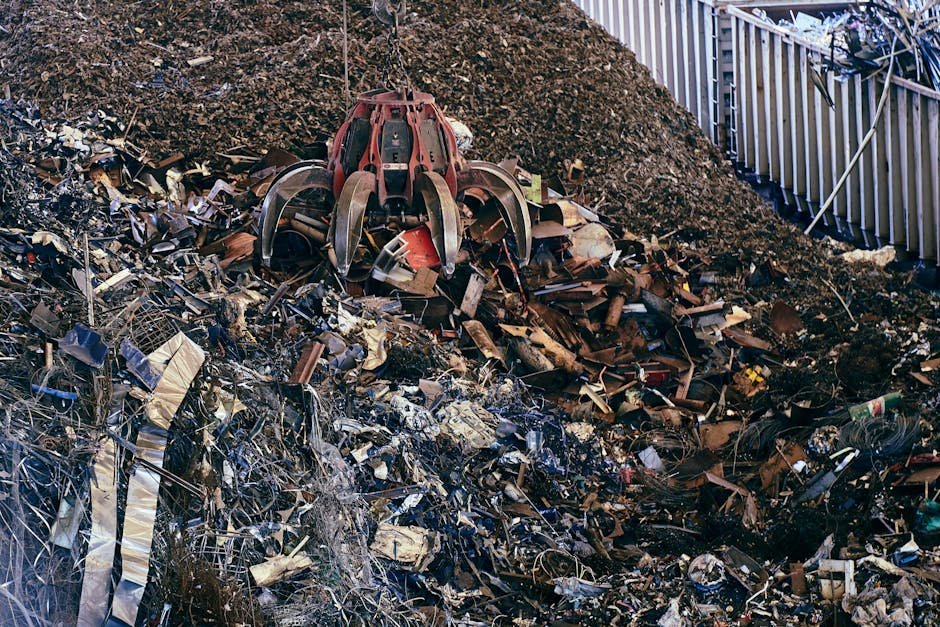

Scrap auction platforms in Australia provide a structured way for businesses and individuals to buy and sell scrap metal. These auctions help optimize resource recovery, reduce waste, and support a circular economy. Understanding scrap grades, recycling mechanisms, and environmental benefits is essential for maximizing value and sustainability in the industry.
Understanding the Scrap Auction Process
A scrap auction is a competitive bidding system where scrap metal is sold in batches based on its classification and quality. These auctions are typically conducted online (via Online Scrap Auction platforms) or in-person, allowing buyers to assess material grades before placing bids. The process ensures fair pricing and transparency, benefiting both sellers and buyers. For sellers, Sell Scrap platforms streamline the process of listing materials and reaching potential bidders.
Grades of Scrap Metal and Their Significance
Scrap metal is categorized into distinct grades based on composition, purity, and usability. Common grades include:
- Black Scrap: Ferrous metals like iron and steel, often from construction or automotive waste.
- Non-Ferrous Scrap: Metals like copper, aluminum, and brass, valued for their conductivity and durability.
- Shredded Scrap: Mixed metals processed into smaller pieces for easier recycling.
- Heavy Melting Scrap (HMS): High-quality scrap with minimal contamination, ideal for foundries.
Each grade affects the scrap auction price, with non-ferrous metals typically commanding higher value. Proper classification is critical to maximize returns for sellers.
How the Recycling Process Works
The recycling process begins with collection and sorting of scrap materials. Once sorted by grade, metals are processed through shredding, melting, and refining to create raw materials for manufacturing. For example:
- Collection: Scrap is gathered from industrial sites, landfills, or households.
- Sorting: Advanced technologies like X-ray fluorescence (XRF) identify metal types.
- Processing: Metals are shredded, melted, and cast into new products.
- Reuse: Recycled materials enter manufacturing, reducing the need for virgin resources.
Visit scrap.trade to access detailed guides on recycling technologies and best practices.
Environmental Benefits of Scrap Recycling
Recycling scrap metal offers significant environmental advantages:
- Energy Savings: Recycling aluminum uses 95% less energy than producing new aluminum from bauxite.
- Reduced Emissions: Lower CO2 emissions compared to mining and refining raw ores.
- Landfill Reduction: Diverting scrap from landfills extends site lifespans and minimizes pollution.
- Resource Conservation: Preserves finite mineral resources for future generations.
By participating in scrap auction platforms, stakeholders contribute to Australia’s sustainability goals and reduce industrial waste.
Practical Tips for Sellers and Buyers
Whether you’re selling or bidding in a scrap auction, these strategies can enhance outcomes:
- Research Market Trends: Study historical auction data to set competitive prices or bids.
- Use Reputable Platforms: Scrap marketplace platforms ensure secure transactions and transparent grading.
- Prepare Materials Properly: Clean and sort scrap to avoid contamination, which lowers grades.
- Engage with Communities: Join scrap online forums to share insights and build networks.
For businesses, leveraging an What Is Scrap Trade model can streamline operations and boost profitability.
Case Study: Success Stories from Australian Scrap Auctions
Consider the example of a Queensland-based demolition company that sold 100 tons of non-ferrous scrap via an online scrap auction. By using a scrap.trade platform, they secured bids 20% higher than traditional methods. Similarly, a Melbourne-based manufacturer reduced costs by 15% by purchasing pre-sorted scrap from auctions, ensuring minimal processing time.
The Future of Scrap Auctions in Australia
As demand for sustainable practices grows, scrap auction platforms are integrating AI-driven grading systems and blockchain for traceability. These innovations will further enhance efficiency and trust in the industry. Explore scraptrade.com.au to stay updated on industry trends and regulatory changes.
Conclusion
Scrap auction systems are vital for Australia’s transition to a circular economy. By understanding grades, recycling processes, and environmental impacts, stakeholders can optimize their participation. Whether you’re new to Sell Scrap or an experienced buyer, leveraging digital platforms like scrap.trade ensures competitive advantages and sustainability.
Related: scrap marketplace
Related: scrap online
Frequently Asked Questions
What are the most valuable scrap grades in Australia?
Non-ferrous metals like copper and aluminum are the most valuable due to their conductivity and high demand in manufacturing sectors.
How can I prepare scrap for auction to maximize its value?
Ensure your scrap is clean, sorted by grade, and free of contaminants. Proper documentation and photos also increase bidder interest.
Are there environmental certifications for scrap recycling in Australia?
Yes, certifications like RIOS (Responsible Recycling) and ISO 14001 ensure compliance with environmental standards in recycling processes.
How do online scrap auctions work for remote buyers?
Online scrap auctions allow remote bidders to view material grades, set automatic bids, and receive deliveries directly, eliminating the need for on-site visits.