
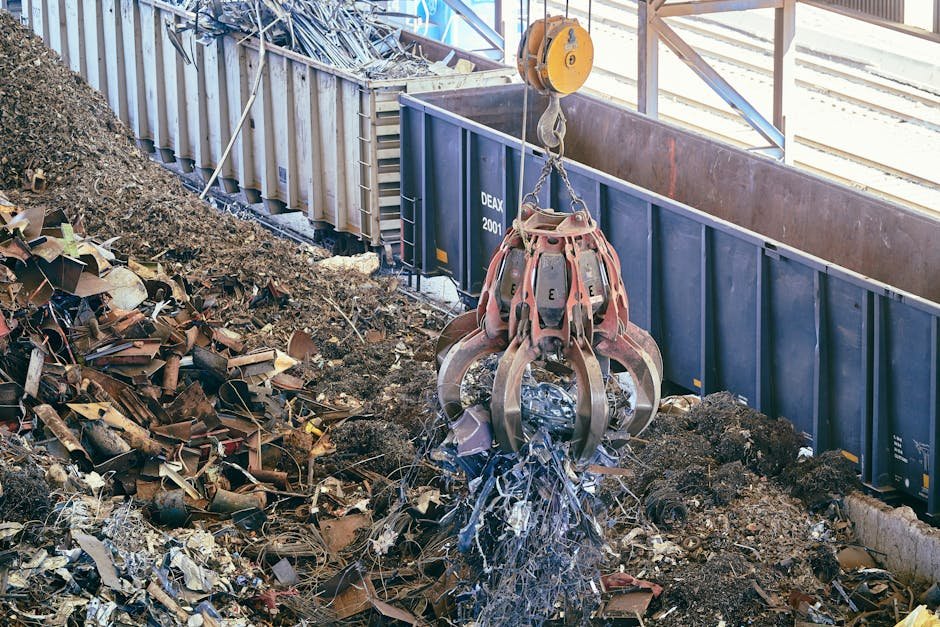

Industrial scrap buyer operations are critical to Australia’s circular economy, connecting manufacturers, recyclers, and traders in a sustainable value chain. This comprehensive guide will walk you through where to find industrial scrap buyers, how to verify their credibility, pricing dynamics, and the broader impact of metal recycling. Whether you’re generating scrap metal or seeking to buy, understanding these processes ensures profitability and environmental responsibility.
Where to Find Trusted Industrial Scrap Buyers in Australia
Locating reliable industrial scrap buyers requires leveraging both digital and local networks. Here are the most effective methods:
- B2B Metal Trading Platforms: Platforms like Industrial Scrap Trading Platform B2b Marketplace provide verified listings of metal buyers across Australia. These platforms offer real-time pricing data and secure transaction systems.
- Local Directories: Check state-based directories like ScrapTrade Australia for registered trusted dealers specializing in ferrous and non-ferrous metals.
- Industry Associations: Organizations such as the Australian Metal Recycling Industry Association (AMRIA) maintain lists of certified purchase scrap facilities.
- Networking: Attend conferences like METEX Australia to connect directly with trusted buyers looking for bulk industrial scrap.
Pro tip: Always request references and verify licenses before finalizing partnerships. Reputable industrial scrap buyers will provide clear contracts and transparent payment terms.
Understanding Scrap Metal Grades and Specifications
Industrial scrap is categorized into grades based on material type, purity, and processing requirements. Key classifications include:
- Ferrous Metals: Includes iron, steel, and alloys. Grades vary by thickness and surface condition (e.g., clean vs. mixed scrap).
- Non-Ferrous Metals: Aluminum, copper, brass, and nickel. Grades depend on alloy composition and contamination levels.
- Specialty Alloys: High-performance materials like stainless steel and titanium require specialized handling.
For example, heavy melting scrap (HMS) is a common aluminium scrap buyer category, while shredded auto scrap (SAS) is prized for its compact volume. Visit the Industrial Scrap Procurement Strategy Guide to learn how to optimize your scrap grading process.
How Industrial Scrap Recycling Works
The industrial scrap recycling process involves four key stages:
- Collection: Scrap is gathered from manufacturing plants, demolition sites, or construction projects.
- Sorting: Materials are separated using magnets, X-ray fluorescence (XRF), and manual inspection.
- Processing: Scrap is sheared, baled, or shredded to meet industry specifications.
- Refining: Recycled metals are melted and cast into new products like rebar, automotive parts, or construction materials.
Advanced facilities like Industrial Scrap Margin Optimisation Guide recommend investing in on-site processing equipment to reduce transport costs and improve yields.
Pricing Dynamics for Industrial Scrap Buyers
Scrap metal pricing is influenced by global commodity markets, transportation costs, and local demand. Key factors include:
- Base Metal Value: Prices are tied to London Metal Exchange (LME) indices for copper, aluminum, and steel.
- Contamination: Clean scrap commands higher prices due to lower refining costs.
- Volume Discounts: Bulk purchases often receive premium rates, especially for rare alloys.
- Regional Variations: Urban centers like Sydney and Melbourne typically pay 5–10% more than regional areas.
For real-time pricing insights, consult the Scrap Trade platform, which updates live market rates every hour. Industrial scrap buyers can also negotiate better terms by bundling multiple grades into a single transaction.
Environmental and Economic Benefits of Scrap Recycling
Recycling industrial scrap reduces energy consumption by 50–70% compared to primary metal production. For instance, recycling aluminum saves 95% of the energy required to produce new aluminum from bauxite. Additional benefits include:
- Reduced Landfill Waste: Every ton of recycled steel avoids 2.5 tons of CO2 emissions.
- Resource Conservation: Recycling minimizes the need for mining, preserving natural habitats.
- Job Creation: The Australian recycling sector employs over 150,000 people across collection, processing, and manufacturing.
Businesses can offset carbon footprints by partnering with industrial scrap buyers who prioritize ESG (Environmental, Social, Governance) standards. The Industrial Scrap Procurement Strategy Guide offers frameworks for measuring sustainability impact.
Best Practices for Industrial Scrap Transactions
To maximize value and efficiency in scrap metal trading, follow these guidelines:
- Document Everything: Maintain detailed records of weights, grades, and transaction dates to avoid disputes.
- Use Technology: Platforms like Scrap Trade streamline quotation, negotiation, and delivery tracking.
- Regular Audits: Verify that your purchase scrap operations comply with Australian Standards (AS 3764:2010).
- Stay Informed: Monitor global metal prices via the LME or Scrap Trade alerts to time purchases strategically.
Aluminium scrap buyers in regions like Ingleburn should also consider local regulations. For example, New South Wales requires hazardous waste certifications for certain scrap types. Always consult aluminium scrap buyer Ingleburn for region-specific compliance details.
Conclusion: Building a Sustainable Scrap Metal Ecosystem
By aligning with certified industrial scrap buyers and leveraging digital tools, Australian businesses can turn waste into wealth while reducing environmental impact. Whether you’re a manufacturer with excess scrap or a trader seeking high-value materials, understanding market dynamics and recycling processes is essential. For further guidance on optimizing your scrap procurement strategy, refer to the Industrial Scrap Procurement Strategy Guide.
Additional Resources
- Industrial Scrap Margin Optimisation Guide – Advanced cost-saving techniques
- Aluminium Scrap Buyer – Specialized buyer listings
- ScrapTrade Australia – Regional buyer directory
Frequently Asked Questions
How do I find a trusted industrial scrap buyer?
Use verified B2B platforms like Industrial Scrap Trading Platform B2b Marketplace and cross-reference with state directories. Always request references and compliance certifications before partnering.
What factors affect scrap metal pricing?
Global commodity prices, transportation costs, material purity, and regional demand influence pricing. Monitor indices like the London Metal Exchange (LME) for real-time updates.
What types of scrap do industrial buyers accept?
Industrial scrap buyers primarily handle ferrous (steel, iron), non-ferrous (aluminum, copper), and specialty alloys. Specific grades depend on the buyer’s processing capabilities.
How does recycling scrap metal benefit the environment?
Recycling reduces energy use by 50–70%, cuts landfill waste, and minimizes mining impacts. For example, recycling aluminum saves 95% of the energy needed to produce new aluminum.