
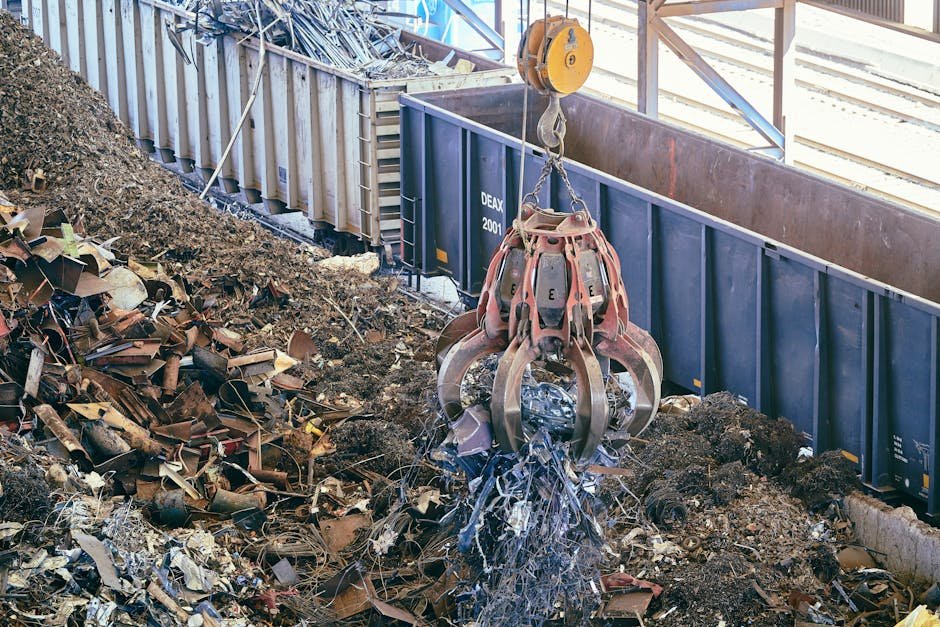

b2b scrap metal services are essential for businesses involved in metal trading and recycling. In Australia, these services facilitate the efficient exchange of scrap metal grades, from raw materials to processed resources, while promoting sustainability. By understanding the grades of scrap, the recycling process, and the environmental impact of metal recovery, businesses can maximize profitability and contribute to a circular economy. This guide provides an in-depth overview of b2b scrap metal services, practical insights, and strategies to enhance your scrap metal operations.
Understanding Grades of Scrap Metal
Scrap metal is categorized into grades based on material type, purity, and usability. The two primary classifications are ferrous and non-ferrous metals. Ferrous metals, such as scrap steel and iron, contain iron and are magnetic. They form the backbone of industrial manufacturing and are widely traded in b2b scrap metal services due to their abundance and cost-effectiveness.
Non-ferrous metals, including aluminum, copper, and brass, are non-magnetic and valued for their corrosion resistance and conductivity. These grades are often recycled for high-demand applications like electronics and construction. Stainless steel also falls into this category, commanding premium prices in scrap metal recycling services. Proper classification ensures buyers receive materials that meet their production standards.
Other specialized grades include mixed metals, automotive scrap, and industrial waste. Businesses should consult platforms like Scrap Metal Prices to stay updated on market values for specific grades, optimizing revenue from their scrap inventory.
The Recycling Process in B2B Scrap Metal Services
Recycling scrap metal involves a series of steps designed to extract and repurpose materials efficiently. The process begins with collection, where businesses gather scrap from manufacturing, construction, or demolition sites. Next, sorting separates grades using magnetic separators, eddy current machines, and manual inspection to ensure purity.
After sorting, shredding and melting reduce materials to a reusable form. Ferrous metals are often shredded into compact bales, while non-ferrous metals may be melted in electric arc furnaces. Finally, refining removes impurities, producing high-quality alloys ready for resale. Platforms like Scrap Metal Recycling Near Me help businesses locate certified recycling facilities that adhere to industry standards.
Environmental Benefits of Metal Recycling
Metal recycling is a cornerstone of sustainability in the construction and manufacturing sectors. Recycling reduces the need for raw material extraction, preserving natural resources like bauxite for aluminum and copper ore. For example, producing aluminum from recycled scrap uses 95% less energy than from raw materials, significantly lowering carbon emissions.
Additionally, recycling minimizes landfill waste, which is critical given the environmental hazards of non-biodegradable metals. By reintegrating scrap into production cycles, b2b scrap metal services help businesses meet eco-certification requirements and appeal to environmentally conscious consumers. Governments and industry bodies in Australia actively promote recycling to achieve net-zero emissions targets.
Practical Tips for Businesses Engaging in Scrap Metal Trading
- Accurate grading: Invest in tools or partner with experts to classify scrap correctly. Misidentified grades can lead to financial losses and operational inefficiencies.
- Track market trends: Use resources like Scrap Metal Prices to monitor fluctuations and time sales strategically.
- Optimize logistics: Partner with local Scrap Metal Recycling Near Me services to reduce transportation costs and ensure timely pickups.
- Explore auctions: Platforms like metal scrap auction allow businesses to bid on high-value materials, maximizing returns.
Why Choose Certified B2B Scrap Metal Services?
Certified b2b scrap metal services offer transparency, compliance, and efficiency. They adhere to industry regulations and provide documentation for traceable transactions, which is vital for businesses operating in export markets. By partnering with platforms like Scrap Trade or ScrapTrade Australia, businesses gain access to a vetted network of buyers and sellers, streamlining operations and reducing risks.
The Role of Technology in Modern Scrap Metal Services
Technology is revolutionizing b2b scrap metal services through automation and digital marketplaces. AI-driven tools analyze market data to predict price trends, while mobile apps enable real-time tracking of shipments and transactions. Blockchain is also emerging as a solution for verifying the origin and quality of recycled metals, enhancing trust among stakeholders.
Platforms like scrap metal recycling services integrate these technologies, offering businesses a seamless experience from quoting to payment processing. Automated systems also improve safety in handling heavy materials, reducing workplace injuries.
Future Trends in B2B Scrap Metal Services
The demand for b2b scrap metal services is expected to grow as industries prioritize sustainability. Innovations like smart recycling bins and AI-powered grading systems will further enhance efficiency. Additionally, the rise of circular economy models will drive collaboration between producers, recyclers, and regulators to minimize waste and maximize resource recovery.
Conclusion
By leveraging the expertise of b2b scrap metal services, businesses can turn waste into profit while supporting environmental goals. Whether you’re selling scrap metal in 2026 or managing a large-scale recycling operation, understanding grades, processes, and market dynamics is key to success. Platforms like Scrap Trade and ScrapTrade Australia provide the tools and networks needed to thrive in this evolving industry.
Case Study: Streamlining Operations with Scrap Trade
A construction firm in Melbourne reduced costs by 30% after partnering with Scrap Trade to automate their scrap metal sales. By accessing real-time pricing and auction platforms, they maximized returns on steel and copper waste, demonstrating the value of integrated b2b scrap metal services.
Frequently Asked Questions
What are the primary grades of scrap metal processed in B2B services?
The main grades include ferrous metals (iron, steel) and non-ferrous metals (aluminum, copper, brass). Each grade has distinct properties and applications, influencing their market value and recycling methods.
How does the metal recycling process work?
Recycling involves collection, sorting, shredding, melting, and refining. Ferrous metals are separated using magnets, while non-ferrous grades require specialized techniques. The end product is repurposed into new materials for manufacturing.
What are the key environmental benefits of recycling scrap metal?
Recycling reduces energy consumption, minimizes mining of raw materials, and decreases landfill waste. It also lowers greenhouse gas emissions, supporting global sustainability goals.
How can businesses optimize their scrap metal trading strategies?
Use platforms like Scrap Metal Prices to track market trends, partner with certified recyclers, and explore metal scrap auctions for competitive sales opportunities.