
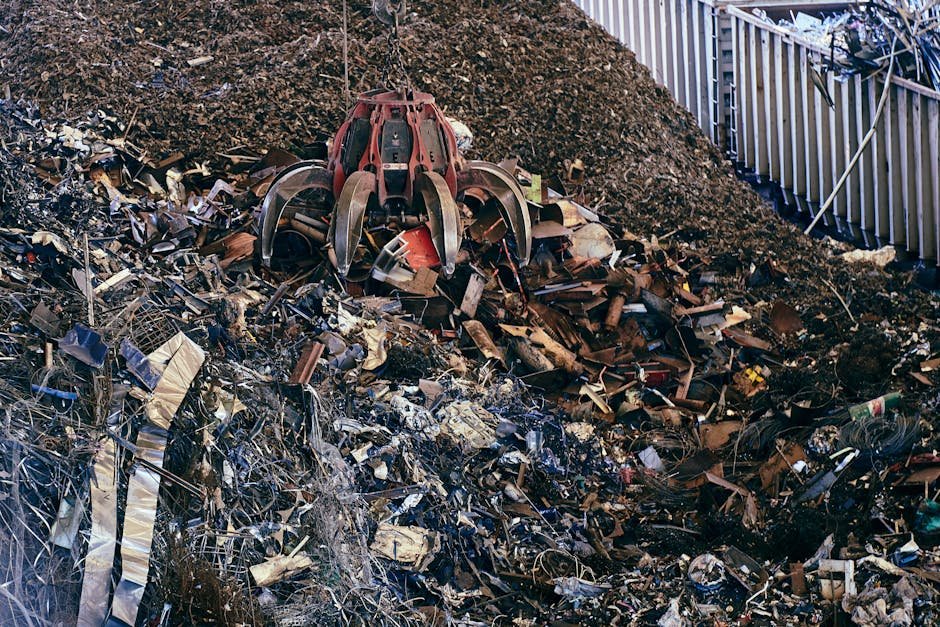

online scrap trading has revolutionized the recycling industry by providing a digital marketplace for buyers and sellers to connect, streamline transactions, and access a wide range of scrap materials. Whether you’re a scrap dealer, manufacturer, or environmentally conscious business, understanding the grades of scrap, the recycling process, and the environmental benefits is critical to maximizing value and sustainability. This guide provides a comprehensive overview of online scrap trading, from material classifications to the future of digital scrap markets.
Understanding Online Scrap Grades: Types and Classifications
The scrap industry categorizes materials into distinct grades based on type, quality, and recyclability. These grades determine pricing and suitability for specific applications. The primary classifications include:
- Ferrous Metals: Composed primarily of iron, such as steel and iron. These are magnetic and commonly sourced from vehicles, construction debris, and appliances.
- Non-Ferrous Metals: Non-magnetic metals like copper, aluminum, brass, and stainless steel. These are valuable due to their conductivity and resistance to corrosion.
- Aluminum Grades: Includes household items, automotive parts, and industrial components. Higher-purity aluminum commands premium prices.
- Copper Grades: Categorized into types like “wire and cable,” “busbar,” and “refinery-grade.” Copper’s high conductivity makes it a top-tier scrap material.
- Plastics and Electronics: Recyclable plastics and e-waste require specialized sorting. High-value electronics contain precious metals like gold and silver.
To participate in online scrap trading, buyers and sellers must understand these grades and their market values. Platforms like Online Scrap Auction provide detailed grade specifications and buyer preferences, ensuring transparent transactions.
How Recycling Works in the Scrap Industry: From Collection to Reuse
Recycling scrap materials involves a multi-step process designed to recover raw materials efficiently. Here’s an overview:
- Collection: Scrap is gathered from industrial sites, households, and demolition projects.
- Sorting and Grading: Materials are separated into ferrous/non-ferrous categories and graded for purity.
- Processing: Shredding, baling, or melting prepares scrap for reuse. Advanced technologies like eddy current separators isolate non-ferrous metals.
- Reprocessing: Recycled metals are used in manufacturing new products, reducing the need for virgin materials.
online scrap platforms simplify this process by connecting sellers with buyers who specialize in specific grades. For example, Scrap Trade offers tools to match supply with demand, reducing processing costs and delays. By leveraging these platforms, businesses can ensure their scrap materials reach the most suitable end users.
Environmental Benefits of Scrap Recycling: Why It Matters
Recycling scrap materials offers significant environmental advantages, making it a cornerstone of sustainable practices. Key benefits include:
- Energy Savings: Recycling aluminum uses 95% less energy than producing it from bauxite.
- Landfill Reduction: Diverting scrap from landfills reduces methane emissions and soil contamination.
- Resource Conservation: Recycling reduces the need for mining raw materials, preserving ecosystems.
- Carbon Footprint Reduction: Steel recycling cuts CO2 emissions by up to 60% compared to traditional methods.
Businesses leveraging online scrap trading contribute to these benefits by ensuring materials are reused efficiently. For instance, Scrap Trade Australia emphasizes eco-friendly practices in its platform, helping users align profit with sustainability goals.
The Role of Online Platforms in Scrap Trading
Online scrap platforms have transformed the industry by offering transparency, convenience, and global reach. Key features include:
- Real-Time Pricing: Dynamic market data helps buyers and sellers optimize transactions.
- Auctions and Bidding: Platforms like Online Scrap Auction enable competitive bidding, maximizing seller returns.
- Supply Chain Integration: APIs and logistics tools streamline shipping and payment processes.
- Market Insights: Analytics and reporting help users track trends and adjust strategies.
For sellers, moving online eliminates reliance on local buyers, expanding their customer base. Meanwhile, buyers benefit from instant access to a global inventory of scrap grades, ensuring they secure the best materials for their needs.
Practical Tips for Online Scrap Trading
Whether you’re new to online scrap trading or looking to improve your strategy, these tips can help:
- Research Market Trends: Use platforms like Why Scrap Trade Online Is Growing to stay updated on price fluctuations and demand shifts.
- Invest in Proper Sorting: Accurately grade your scrap to attract premium buyers and avoid rejections.
- Utilize Auctions: Online scrap auctions can fetch higher prices for high-demand materials like copper and aluminum.
- Optimize Listings: Include clear photos, detailed descriptions, and competitive pricing to attract buyers.
- Build Relationships: Engage with frequent buyers on platforms like scrap purchase online to secure repeat business.
By following these practices, traders can maximize their returns while contributing to a circular economy.
Future Trends in Online Scrap Trading
The online scrap industry is evolving rapidly, driven by technological advancements and sustainability goals. Emerging trends include:
- AI-Driven Pricing: Machine learning models predict market values based on historical and real-time data.
- Blockchain for Transparency: Immutable records track scrap origins and transactions, enhancing trust.
- Green Certifications: Platforms like Scrap Trade are promoting eco-certified scrap to meet ESG (Environmental, Social, Governance) standards.
- Mobile Integration: Apps enable real-time trading, monitoring, and payments, improving accessibility.
These innovations will further solidify online scrap as the standard for efficient, ethical trading.
Conclusion: Embracing Online Scrap Trading for Profit and Sustainability
The online scrap industry offers unparalleled opportunities for businesses to turn waste into wealth while supporting environmental goals. By understanding grades, leveraging digital platforms, and adopting best practices, traders can thrive in this competitive market. Platforms like Scrap Trade provide the tools and infrastructure needed to succeed, making online scrap trading both profitable and sustainable.
Frequently Asked Questions
What are the most valuable scrap grades?
Non-ferrous metals like copper, aluminum, and precious metals in electronics typically command the highest prices due to their conductivity and rarity.
How does online scrap trading work?
Buyers and sellers connect via digital platforms to list, bid, and purchase scrap materials. Real-time pricing, auctions, and logistics tools streamline the process.
What environmental benefits does scrap recycling provide?
Recycling reduces energy consumption, landfill use, and carbon emissions while conserving natural resources.
Why are scrap sellers moving online?
Online platforms offer wider market access, competitive pricing, and reduced reliance on local buyers, increasing profitability.
Related: scrap online
Related: scrap purchase online
Frequently Asked Questions
What are the most valuable scrap grades?
Non-ferrous metals like copper, aluminum, and precious metals in electronics typically command the highest prices due to their conductivity and rarity.
How does online scrap trading work?
Buyers and sellers connect via digital platforms to list, bid, and purchase scrap materials. Real-time pricing, auctions, and logistics tools streamline the process.
What environmental benefits does scrap recycling provide?
Recycling reduces energy consumption, landfill use, and carbon emissions while conserving natural resources.
Why are scrap sellers moving online?
Online platforms offer wider market access, competitive pricing, and reduced reliance on local buyers, increasing profitability.