
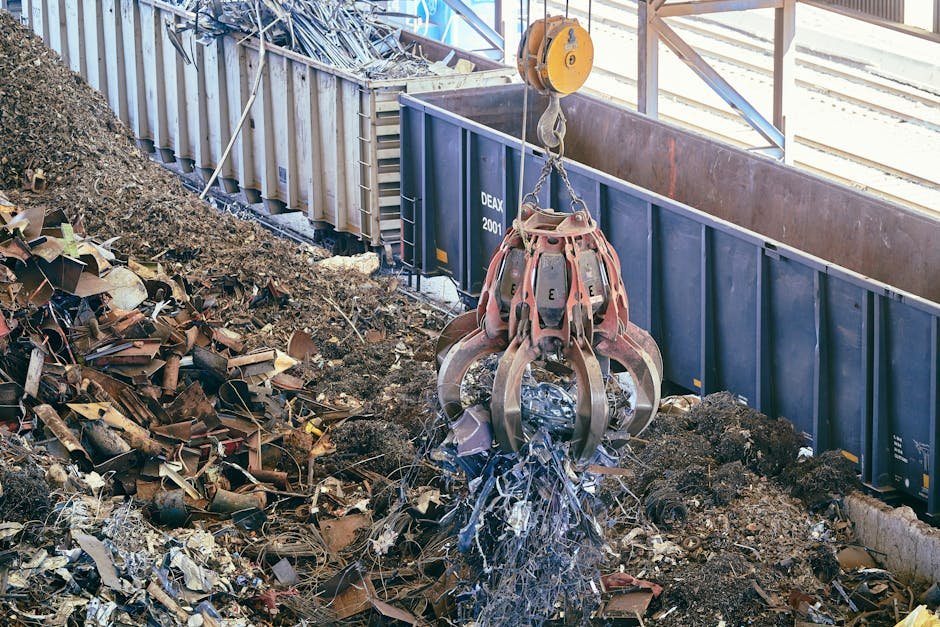

Scrap metal dealers play a vital role in Australia’s circular economy by processing waste metals into reusable materials. From industrial scraps to household metal waste, understanding the grades of scrap, recycling processes, and environmental impact is essential for businesses and individuals. This guide provides a detailed breakdown of the scrap metal industry, including how to choose a reputable dealer and maximize your returns.
Understanding Grades of Scrap Metal
Scrap metal is categorized into grades based on composition and purity. Common grades include:
- Ferrous metals (iron, steel): Magnetic and less valuable but widely recycled.
- Non-ferrous metals (aluminium, copper, brass): Non-magnetic and higher in value due to purity and demand.
- Heavy metals (lead, zinc): Recycled for industrial applications.
- Light metals (aluminium cans, small machinery): Lighter in weight but high in recyclability.
Dealers like Scrap Metal Prices provide real-time data to help buyers and sellers assess the value of different grades. Knowing the grade of your scrap ensures you receive fair compensation and contribute to efficient recycling.
How Scrap Metal Recycling Works
The recycling process involves collection, sorting, processing, and repurposing. Here’s a step-by-step overview:
- Collection: Scrap is gathered from demolition sites, manufacturing facilities, or households.
- Sorting: Metals are separated by type using magnets, X-rays, or manual inspection.
- Shredding/Processing: Metals are crushed or melted into ingots for reuse.
- Repurposing: Recycled metals are sold to manufacturers for new products.
Efficient recycling reduces the need for raw material extraction, conserving energy and natural resources. For businesses in Queensland, partnering with a scrap metal dealer Caboolture ensures compliance with local regulations and streamlined operations.
Environmental Benefits of Metal Recycling
Recycling scrap metal offers significant environmental advantages:
- Energy savings: Recycling metals uses up to 95% less energy than producing new ones.
- Reduced emissions: Lower energy consumption cuts greenhouse gas emissions.
- Landfill reduction: Diverts waste from landfills, reducing pollution risks.
- Resource conservation: Preserves finite natural resources like iron and bauxite.
By choosing a certified scrap metal dealer, you support sustainable practices. For example, scrap metal dealer Kilcoy implements eco-friendly sorting techniques to minimize waste.
Choosing the Right Scrap Metal Dealer
Selecting a reputable dealer ensures fair pricing and reliable service. Consider these factors:
- Licensing: Verify the dealer holds valid environmental and business licenses.
- Reputation: Check reviews and testimonials from previous clients.
- Facility: Visit the site to assess cleanliness, safety, and equipment.
- Pricing: Compare quotes using Scrap Metal Prices for transparency.
Dealers like Scrap Trade offer online tools to streamline transactions. For urgent needs, use Sell Scrap Metal Near Me In 2026 to locate nearby services quickly.
Practical Tips for Selling Scrap Metal
Maximize your returns with these strategies:
- Sort your scrap: Separate ferrous and non-ferrous metals for faster processing.
- Remove contaminants: Clean metals of oil, dirt, and chemicals to avoid penalties.
- Track prices: Use Scrap Metal Recycling Near Me to monitor market fluctuations.
- Plan collection: Schedule pickups during off-peak hours to avoid delays.
For businesses, partnering with multiple dealers like ScrapTrade can create competitive bidding for better rates.
Future Trends in Scrap Metal Recycling
The industry is evolving with technological advancements and regulatory changes:
- AI and robotics: Automating sorting processes to improve efficiency.
- Blockchain: Enhancing transparency in recycling supply chains.
- Government incentives: Subsidies for businesses adopting green practices.
- Electric vehicle demand: Increasing need for lithium and cobalt recycling.
Stay ahead by working with forward-thinking dealers who invest in innovation. Scrap Trade is an example of a platform integrating digital tools for seamless operations.
Conclusion
Scrap metal dealers are essential to Australia’s sustainability goals. By understanding grades, recycling processes, and environmental benefits, you can make informed decisions. Whether you’re a homeowner with old appliances or a manufacturer managing waste, leveraging the expertise of a scrap metal dealer ensures profitability and eco-consciousness. For instant access to local services and real-time pricing, visit Scrap Trade or use Sell Scrap Metal Near Me In 2026 to get started today.
Frequently Asked Questions
What grades of scrap metal do dealers typically accept?
Dealers accept ferrous metals (iron, steel), non-ferrous metals (aluminium, copper), heavy metals (lead, zinc), and light metals. Check Scrap Metal Prices for current grade values.
How does the recycling process work for scrap metal?
Scrap is collected, sorted by type, processed (shredded/melted), and repurposed into new products. Efficient sorting is critical for maximizing reuse potential.
Why should I choose a certified scrap metal dealer?
Certified dealers ensure compliance with environmental regulations, offer fair pricing, and implement sustainable practices. For example, scrap metal dealer Caboolture adheres to strict recycling standards.
How can I find a scrap metal dealer near me?
Use tools like Scrap Metal Recycling Near Me to locate dealers in your area and compare services.