
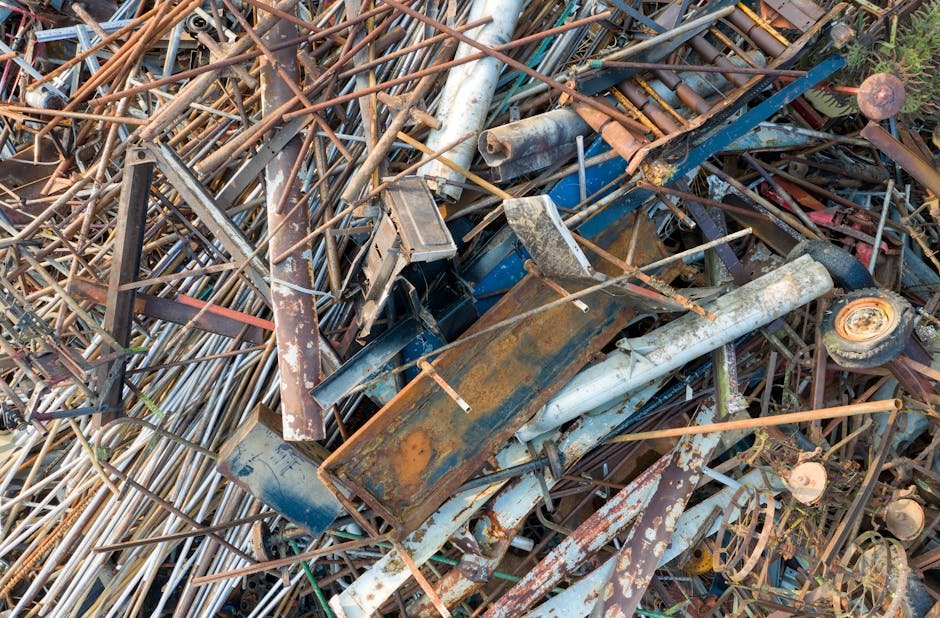

Scrap metal pick up is a vital service for both individuals and businesses seeking to monetize unused metal materials while contributing to environmental sustainability. In Australia, this process involves identifying the correct grades of scrap, understanding the recycling workflow, and partnering with certified dealers to ensure maximum returns. Whether you’re cleaning out a garage or managing industrial waste, this guide will walk you through everything you need to know about scrap metal pick up, from classification standards to the environmental impact of recycling.
Grades of Scrap Metal: What You Need to Know
Scrap metals are categorized into grades based on their composition, purity, and usability in recycling. The primary classifications include:
- Ferrous Metals: These contain iron and are magnetic. Common grades include steel, iron, and cast iron. They are widely used in construction and manufacturing.
- Non-Ferrous Metals: Non-magnetic metals like aluminium, copper, brass, and lead. These are valued for their conductivity and corrosion resistance.
- Aluminium Grades: Differentiated by alloys (e.g., 6061, 7075) and applications, such as beverage cans (3004) or aerospace materials.
- Copper Grades: Includes bare bright copper, #1 copper wire, and OFHC (Oxygen-Free High-Conductivity) copper, each with distinct market values.
For accurate pricing, always verify local scrap metal pick up rates with a trusted dealer. Scrap metal pick up services often provide free assessments to determine the grade and value of your materials.
How Scrap Metal Recycling Works in Australia
The recycling process involves several steps to ensure efficiency and sustainability:
- Collection: Scrap metal pick up services transport materials to recycling facilities, minimizing transport costs for large volumes.
- Sorting: Metals are separated into ferrous and non-ferrous categories using magnets, X-ray fluorescence (XRF) scanners, and manual checks.
- Processing: Metals are shredded, melted, or compacted into ingots, depending on their type and intended reuse.
- Refining: Impurities are removed to create high-purity alloys suitable for manufacturing new products.
- Reintegration: Recycled metals are sold to industries for use in construction, electronics, packaging, and more.
By choosing scrap metal recycling near me, you support a circular economy that reduces reliance on raw ore extraction. For example, recycling aluminium saves 95% of the energy needed to produce new aluminium from bauxite.
Environmental Benefits of Scrap Metal Recycling
Recycling scrap metal significantly reduces environmental harm compared to traditional mining and processing. Key benefits include:
- Energy Conservation: Recycling metals uses 50-70% less energy than producing new metals from raw materials.
- Reduction of Landfill Waste: Scrap metal pick up diverts tonnes of waste from landfills, where metals can leach toxic chemicals into soil and water.
- Lowered Carbon Emissions: The metal recycling industry in Australia has reduced CO2 emissions by over 3 million tonnes annually.
- Resource Preservation: Recycling preserves finite resources like bauxite, iron ore, and copper, extending their availability for future generations.
For instance, recycling one tonne of steel saves 2,500 pounds of iron ore and 1,400 pounds of coal. By opting for sell scrap metal near me in 2026, you actively contribute to these environmental gains.
Practical Tips for Maximizing Scrap Metal Value
To ensure you get the best returns when using scrap metal pick up services, follow these strategies:
- Sort Metals by Grade: Separate ferrous and non-ferrous metals to avoid contamination and lower prices.
- Clean Materials: Remove dirt, oil, or plastic coatings to improve purity and fetch higher rates.
- Check Market Rates: Prices fluctuate based on global demand. Scrap metal dealers provide up-to-date pricing for different grades.
- Bundle Small Quantities: Some dealers offer higher rates for bulk collections, so consolidate scrap from friends or local businesses.
- Use Local Services: For efficient collection, try scrap metal pick up Campbelltown or other regional providers.
For example, copper wiring in its purest form (bare bright copper) can fetch $10–$15 per kg, while mixed copper blends may only yield $5–$7 per kg. Always confirm grading before selling.
Choosing the Right Scrap Metal Dealer
Not all scrap metal dealers operate with the same standards. To find a reliable partner:
- Verify Licenses: Ensure the dealer holds Waste Management and Environment Protection Authority (EPA) certifications.
- Request Quotes: Compare offers from multiple dealers for transparency and competitive pricing.
- Ask About Sustainability: Prioritize dealers who use eco-friendly processing methods, such as zero-landfill policies.
- Review Customer Feedback: Check online reviews and testimonials for reliability, punctuality, and payment practices.
- Confirm Payment Methods: Reputable dealers will offer clear payment terms, whether cash, bank transfer, or digital wallet.
For seamless transactions, consider using Scrap Trade or ScrapTrade.com.au, platforms that connect you with vetted dealers nationwide.
The Future of Scrap Metal Recycling in Australia
Advancements in technology and policy are shaping the future of the industry:
- AI and Robotics: Automated sorting systems using AI improve accuracy and speed in recycling facilities.
- Government Incentives: State and federal programs offer tax breaks for businesses that prioritize recycling over disposal.
- Urban Mining: Cities are becoming key sources of scrap metals, reducing the need for overseas mining operations.
- Consumer Awareness: Rising environmental consciousness is driving more households to use scrap metal pick up services for everyday items like appliances and vehicles.
By 2030, Australia aims to achieve a 90% recycling rate for ferrous metals and 80% for non-ferrous metals, emphasizing the importance of community participation in scrap metal programs.
Conclusion: Embrace Scrap Metal Pick Up for Profit and Planet
Scrap metal pick up isn’t just a convenient way to earn extra cash—it’s a cornerstone of sustainable living. By understanding metal grades, supporting ethical dealers, and leveraging modern recycling technologies, you contribute to a greener Australia while maximizing your returns. Whether you’re a homeowner with old copper pipes or a business managing industrial waste, the benefits of recycling are clear. Start by exploring Scrap Trade for efficient, transparent services, and join the movement toward a circular economy.
FAQs About Scrap Metal Pick Up
Frequently Asked Questions
What are the most valuable grades of scrap metal?
Non-ferrous metals like copper, aluminium, and brass typically have higher value due to their conductivity and versatility. For example, bare bright copper can fetch $10–$15 per kg, while high-grade aluminium might range from $2–$4 per kg.
How does scrap metal recycling benefit the environment?
Recycling scrap metal reduces energy consumption, minimizes landfill waste, and lowers greenhouse gas emissions. For instance, recycling aluminium saves 95% of the energy required to produce new aluminium from raw bauxite.
Can I get cash for scrap metal without leaving my premises?
Yes, many scrap metal pick up services offer on-site collection and immediate payment. Simply contact a local dealer to arrange a pickup and receive an instant quote.
How do I identify ferrous versus non-ferrous metals?
Ferrous metals (e.g., steel, iron) are magnetic and contain iron. Non-ferrous metals (e.g., copper, aluminium) are non-magnetic and include alloys used in electronics, construction, and transportation.