
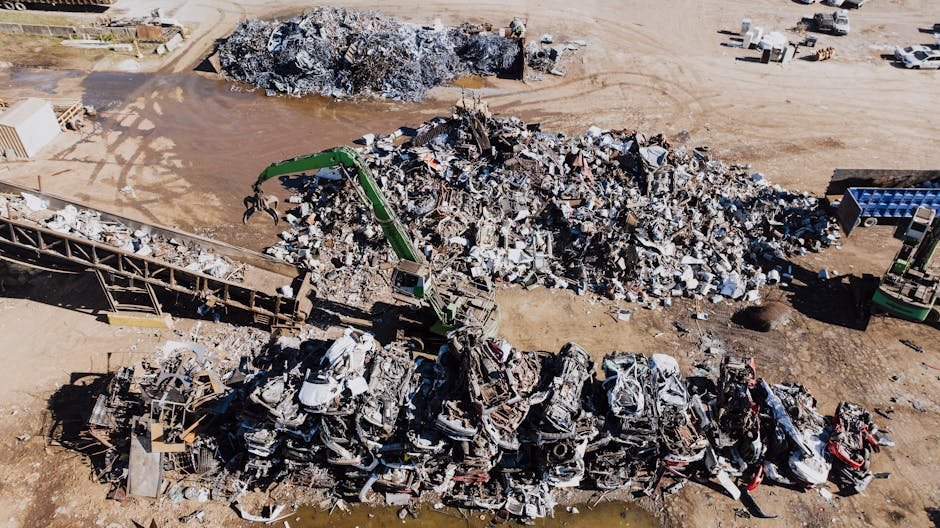

“Metal recycling” is a critical process that transforms discarded materials into reusable resources, reducing environmental impact and conserving natural resources. In Australia, where industries like mining and manufacturing generate vast quantities of metal waste, effective recycling systems are essential for sustainability. This guide explores the full lifecycle of metal recycling, from collection to processing, and provides practical advice for individuals and businesses to participate in this eco-friendly practice. Whether you’re seeking “scrap metal recycling near me” services or want to understand the economic and environmental benefits of recycling, this comprehensive resource covers everything you need to know.
The Environmental and Economic Importance of Metal Recycling
Recycling metals reduces the need for mining raw materials, preserving ecosystems and minimizing land degradation. For example, recycling aluminum saves 95% of the energy required to produce new aluminum from bauxite ore. Similarly, steel recycling cuts energy consumption by 60-70% compared to traditional production methods. Economically, the global metal recycling market is projected to exceed $100 billion by 2030, driven by demand for sustainable practices and resource efficiency. By prioritizing “metal recycling,” Australia not only supports its environmental goals but also strengthens its position in international markets that value ethically sourced materials.
Types of Metals and Their Recycling Processes
Metals fall into two primary categories: ferrous (containing iron, e.g., steel, iron) and non-ferrous (iron-free, e.g., copper, aluminum, brass). Ferrous metals are magnetic and abundant, while non-ferrous metals are prized for their corrosion resistance and conductivity. The recycling process varies by type:
- Ferrous metals: Collected, shredded, and smelted for reuse in construction or manufacturing.
- Non-ferrous metals: Sorted using eddy current separators, then melted and recast into new products.
Specialized services like Core Metal Recycling handle high-value metals like copper wiring and electrical components, ensuring maximum recovery and profit for sellers.
How to Recycle Metal Effectively
1. Assess and categorize your scrap metals. Separate ferrous and non-ferrous materials using a magnet for accuracy.
2. Clean and prepare your metals by removing contaminants like paint or oil to ensure high recycling quality.
3. Find a local service via Metal Recycling Near Me or Scrap Metal Recycling Near Me to get competitive rates and logistics support.
4. Partner with certified recyclers like Scrap Trade to ensure your metals are processed sustainably and ethically.
Challenges in Metal Recycling
Despite its benefits, metal recycling faces hurdles:
- Pollution risks from improper handling of hazardous metals like lead or cadmium.
- Contamination of metal streams, which reduces the quality of recycled output.
- Logistical costs for transporting scrap to processing facilities, especially in rural areas.
To mitigate these issues, invest in education and tools for proper sorting, and use platforms like scrap metal recycling to connect with certified, location-based recyclers.
Practical Tips for Individuals and Businesses
For households, start by recycling common items like aluminum cans, copper wire, and old appliances. Businesses in construction, automotive, or manufacturing should establish in-house sorting systems and partner with bulk recyclers for large volumes. Key strategies include:
- Regularly audit waste streams to identify recyclable metals.
- Use scrap metal recycling near me services to track market prices and optimize profits.
- Donate or repurpose metals when recycling isn’t feasible (e.g., using old steel for DIY projects).
The Future of Metal Recycling in Australia
Government initiatives like the National Waste Policy Action Plan aim to boost Australia’s recycling rate to 80% by 2030. Innovations such as AI-driven sorting systems and partnerships between platforms like Scrap Trade Australia and local councils are streamlining the recycling process. By adopting circular economy principles—where materials are reused infinitely—Australia can reduce its reliance on imported metals and create a more resilient supply chain.
Conclusion: Why Metal Recycling Matters
“Metal recycling” is not just an environmental obligation but a strategic opportunity. It creates jobs, reduces carbon emissions, and supports industries by providing affordable raw materials. By leveraging technology, education, and community collaboration, Australia can lead the transition to a sustainable future. Start today by exploring Scrap Trade’s services for seamless, profitable recycling solutions.
Frequently Asked Questions
What types of metals can be recycled?
Commonly recycled metals include ferrous (iron, steel) and non-ferrous (aluminum, copper, brass). Non-ferrous metals are particularly valuable due to their high resale potential.
How do I find a reliable metal recycling service near me?
Use tools like Metal Recycling Near Me to locate certified recyclers in your area with transparent pricing and eco-friendly practices.
Why is recycling non-ferrous metal important?
Non-ferrous metals like copper and aluminum are finite resources. Recycling them preserves these materials, reduces energy consumption, and lowers greenhouse gas emissions.
Can I recycle small amounts of metal?
Yes. Many local services accept small quantities of metals. For high-value items like copper wiring, check Core Metal Recycling for specialized collections.