
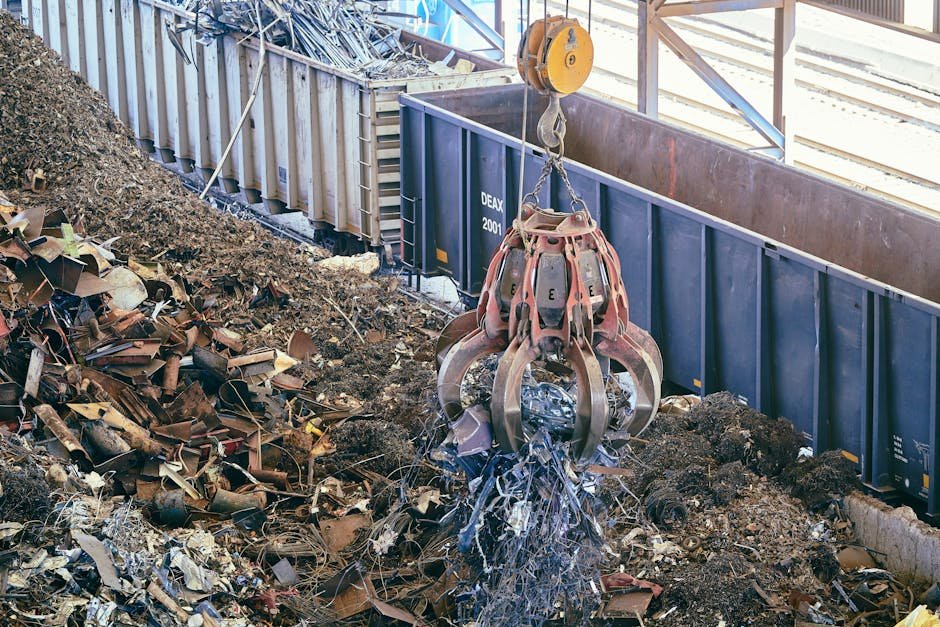

Industrial Scrap Buyers in Australia: A Comprehensive Guide
Industrial scrap buyers play a critical role in the circular economy by purchasing and recycling metal waste from manufacturing, construction, and industrial sectors. In Australia, these buyers help businesses reduce costs, minimize environmental impact, and comply with waste regulations. This guide covers everything you need to know about working with industrial scrap buyers, including where to find them, how to verify their trustworthiness, and the environmental and financial benefits of metal recycling.
Understanding Industrial Scrap Buyers
Industrial scrap buyers specialize in purchasing scrap metal from businesses, including ferrous (e.g., steel, iron) and non-ferrous (e.g., aluminum, copper) materials. These buyers may operate as local recyclers, national trading platforms, or international importers, depending on your needs. Key services include:
- Purchase of metal waste from manufacturing and construction sites
- Grading and sorting of scrap based on quality and composition
- Competitive pricing based on current market rates and material volume
- Logistics support for collection and recycling of large quantities
Where to Find Industrial Scrap Buyers
Locating reliable industrial scrap buyers requires a mix of online research, industry networking, and due diligence. Popular methods include:
- Online directories like scrap.trade, which list verified buyers and their contact details.
- Industry associations such as the Australian Recycling Industry Council (ARIC) for referrals.
- Local recycling depots that offer pick-up services and transparent pricing.
For businesses aiming to purchase scrap overseas, consider our guide “How To Find Overseas Scrap Buyers” for strategies on global markets.
Identifying Trusted Industrial Scrap Buyers
Not all scrap buyers are created equal. To avoid fraud or poor service, follow these steps to verify a buyer’s reliability:
- Check licenses and certifications—Ensure the buyer holds a valid Waste Management License (WML) under Australian Environmental Protection regulations.
- Request references—Ask for testimonials from other industrial clients.
- Compare pricing—Use platforms like scrap.trade to benchmark offers from multiple dealers.
- Review contract terms—Confirm payment timelines, minimum purchase requirements, and transportation logistics.
For a deeper dive into building relationships with trusted dealers, explore our “How To Attract International Scrap Buyers” guide.
Scrap Metal Pricing and Payment Models
Scrap metal prices fluctuate based on global demand, material type, and market conditions. Industrial scrap buyers typically offer one of these payment models:
- Fixed price per ton: Ideal for low-volume, high-grade materials like copper wiring.
- Market-based pricing: Tied to live metal commodity prices (e.g., LME for aluminum).
- Bonus payments: Additional incentives for delivering clean, sorted scrap.
Always negotiate purchase terms in advance, especially for bulk orders. For example, a steel mill might receive a 5-10% premium for delivering pre-sorted ferrous scrap compared to mixed loads.
Grades of Scrap Metal and Their Value
Scrap metal is categorized into specific grades, each with distinct recycling processes and market values. Key grades include:
- Ferrous scrap: Includes steel, iron, and construction debris. Valued at $150–$300 per ton depending on purity.
- Non-ferrous scrap: Aluminum, copper, and brass are high-value due to their conductivity and lightweight properties. Aluminum alone can fetch $2,000+ per ton in 2026.
- Specialty alloys: Stainless steel and nickel-based metals require specialized recycling and command premium prices.
Refer to our 2026 Industrial Scrap Buyer Guide for up-to-date grade classifications and pricing trends.
How the Scrap Recycling Process Works
Industrial scrap buyers follow a structured process to recycle materials efficiently:
- Collection: Buyers arrange pick-up or delivery of scrap metal.
- Sorting and grading: Materials are separated by type, grade, and contamination level.
- Processing: Scrap is shredded, baled, or melted in specialized facilities.
- Refining and resale: Recycled metals are sold to foundries, manufacturers, or exported globally.
For example, aluminium scrap buyers might use advanced X-ray fluorescence (XRF) scanners to determine alloy composition before accepting a shipment.
Environmental Benefits of Industrial Scrap Recycling
Recycling industrial scrap reduces energy consumption, conserves natural resources, and lowers carbon emissions. Key benefits include:
- Energy savings: Recycling aluminum uses 95% less energy than producing new metal from bauxite ore.
- Waste reduction: Over 80% of steel in Australia is recycled, preventing landfill overflow.
- Carbon offsetting: Recycling 1 ton of steel saves approximately 1.5 tons of CO2 emissions.
Businesses partnering with industrial scrap buyers can leverage these benefits to enhance their sustainability credentials and meet ESG goals.
Practical Tips for Working with Industrial Scrap Buyers
Maximize value and efficiency when engaging with scrap buyers by:
- Keeping records of all transactions for tax and compliance purposes.
- Optimizing waste streams by segregating high-value materials like copper wiring.
- Monitoring market trends using platforms like scrap.trade to time sales strategically.
- Building long-term relationships with reliable industrial scrap buyers for consistent pricing.
Conclusion
Industrial scrap buyers are essential partners for Australian businesses seeking to turn waste into revenue while supporting sustainability. By understanding pricing models, verifying trustworthiness, and leveraging recycling benefits, you can optimize your scrap management strategy. For expert guidance and a network of verified buyers, visit scraptrade.com.au to start trading today.
Frequently Asked Questions
How do I choose the best industrial scrap buyer?
Prioritize buyers with valid licenses, positive client reviews, and transparent pricing. Compare offers from multiple dealers and verify their ability to handle your specific scrap types efficiently.
What factors influence scrap metal pricing?
Prices depend on global commodity markets, material grade, contamination levels, and supply-demand dynamics. Non-ferrous metals like copper and aluminum typically have higher value than ferrous scrap.
How can I recycle industrial scrap sustainably?
Work with certified recyclers who use energy-efficient processes and provide documentation for carbon credits. Segregating high-value materials also maximizes recycling efficiency.
What are the risks of working with untrusted scrap buyers?
Unreliable buyers may offer unfair prices, delay payments, or fail to comply with environmental regulations. Always conduct due diligence and request references before engaging.