
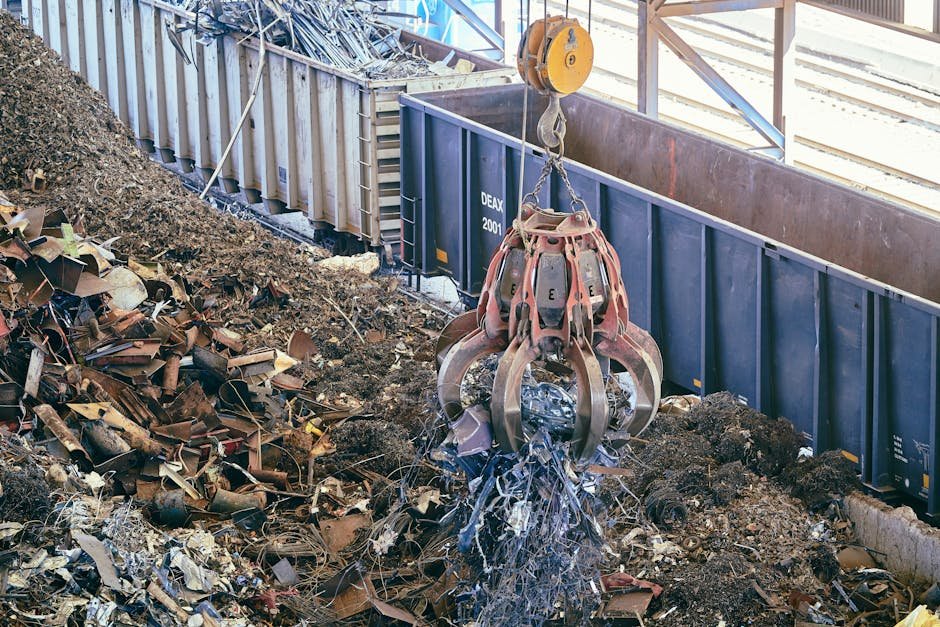

The metal recycling market in Australia is a cornerstone of the circular economy, transforming scrap metals into reusable resources. This sector, valued at over $1.2 billion annually, plays a critical role in reducing environmental impact while supporting industries reliant on raw materials. From construction to manufacturing, recycled metals provide sustainable solutions that align with global climate goals. This guide explores the dynamics of the metal recycling market, offering actionable insights for businesses and individuals seeking to engage effectively.
Understanding the Metal Recycling Market in Australia
The metal recycling market encompasses the collection, processing, and redistribution of ferrous and non-ferrous metals. Australia’s market is shaped by factors like mineral richness, industrial activity, and government regulations. Key players include scrap yards, recycling facilities, and trading platforms like https://scrap.trade, which facilitate transactions between buyers and sellers. The industry serves sectors such as automotive, construction, and electronics, with demand fluctuating based on global commodity prices.
Key Drivers of the Metal Recycling Market
- Industrial Demand: Manufacturing and infrastructure projects fuel consistent demand for recycled metals.
- Government Policies: Regulations like the National Waste Policy encourage recycling to reduce landfill use.
- Environmental Awareness: Consumers and businesses prioritize sustainability, boosting participation in recycling programs.
- Technological Advances: Innovations in sorting and processing improve efficiency and profitability.
Types of Metals in the Recycling Market
The market handles two primary categories:
- Ferrous Metals: Including iron and steel, these are abundant in construction waste. Core Metal Recycling services specialize in processing these materials.
- Non-Ferrous Metals: Aluminum, copper, and brass are prized for their conductivity and corrosion resistance. These metals often fetch higher prices due to their versatility.
Proper classification is essential, as contamination can reduce the value of scrap. Use Scrap Metal Recycling Near Me to locate certified facilities for accurate sorting.
Economic Impact of the Metal Recycling Market
The metal recycling market generates thousands of jobs and contributes to Australia’s GDP. By reducing reliance on imported raw materials, it strengthens economic resilience. For example, recycled steel accounts for 40% of Australia’s steel production, saving over $500 million annually in energy costs. Australia metal recycling market reports highlight how efficient recycling systems lower production costs for manufacturers.
Environmental Benefits of Metal Recycling
Recycling metals reduces greenhouse gas emissions by up to 95% compared to mining. It also conserves natural resources and reduces water usage. For instance, recycling aluminum saves 95% of the energy required to produce new aluminum. Metal Recycling Near Me services in urban areas streamline the collection process, making it easier for households and businesses to participate.
Challenges in the Metal Recycling Market
Despite its benefits, the sector faces challenges:
- Contamination: Improper sorting can render metals unsuitable for reuse.
- Price Volatility: Global commodity markets influence recycling revenue unpredictably.
- Logistical Costs: Transporting scrap to processing facilities adds to operational expenses.
Overcoming these hurdles requires collaboration between policymakers, businesses, and consumers.
Practical Tips for Engaging in the Metal Recycling Market
- Sort Metals Properly: Separate ferrous and non-ferrous metals to maximize value.
- Use Local Services: Locate metal recycling near me options for efficient collection.
- Monitor Market Prices: Track https://scraptrade.com.au for real-time updates on scrap metal rates.
- Choose Certified Recyclers: Verify facilities adhere to environmental standards to ensure compliance.
Future Trends in the Metal Recycling Market
The metal recycling market is evolving with advancements in AI sorting, blockchain for supply chain transparency, and increased investment in green technologies. Australia’s commitment to achieving net-zero emissions by 2050 will further drive innovation in this sector. By 2030, the market is projected to grow by 8% annually, creating new opportunities for stakeholders.
Conclusion
Mastering the metal recycling market requires a blend of industry knowledge, strategic planning, and sustainable practices. By leveraging platforms like https://scrap.trade, businesses and individuals can navigate this dynamic sector effectively. Whether you’re recovering scrap from a construction site or selling household metals, understanding market dynamics ensures optimal returns while supporting environmental goals.
Frequently Asked Questions
Why is metal recycling important in Australia?
Metal recycling reduces environmental impact by conserving natural resources and lowering greenhouse gas emissions. It also supports industries by providing cost-effective raw materials.
How can I find local metal recycling services?
Use Scrap Metal Recycling Near Me to locate certified facilities in your area for efficient and reliable metal collection.
What metals are most valuable to recycle?
Non-ferrous metals like copper, aluminum, and brass typically offer higher returns due to their conductivity and widespread industrial applications.
How does the metal recycling market benefit the economy?
The metal recycling market generates employment, reduces reliance on imports, and lowers production costs for manufacturers, contributing significantly to Australia’s GDP.