
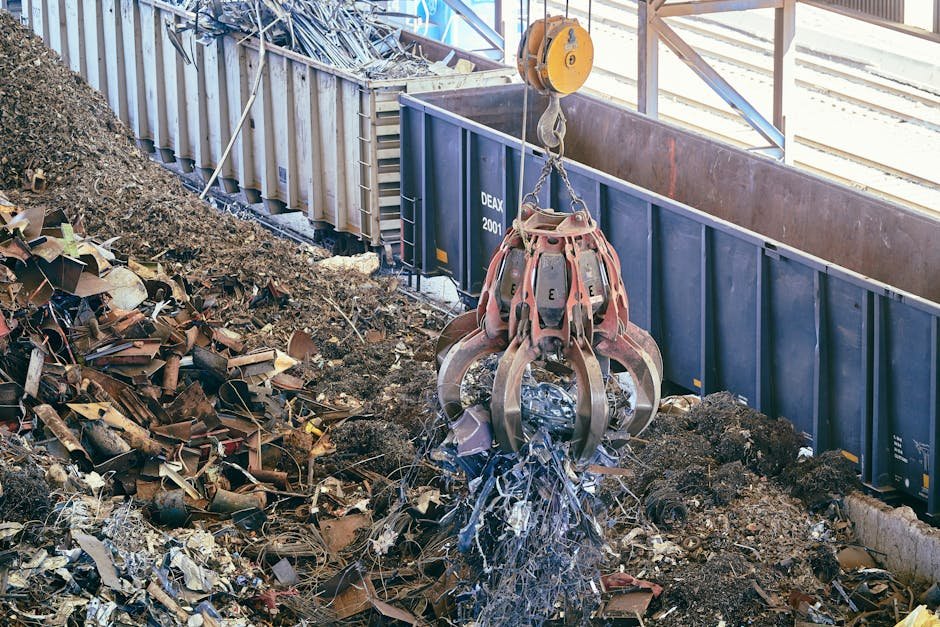

Scrap metal export from Australia to India is a critical component of global recycling efforts, driven by demand for high-quality ferrous and non-ferrous materials. This guide covers the grades of scrap, the export process, recycling mechanisms, environmental benefits, and strategies to maximize profitability. Whether you’re a trader, manufacturer, or recycler, understanding these facets will help you navigate this dynamic industry effectively.
1. Key Grades of Scrap Metal Exported from Australia to India
Scrap metal grades determine their suitability for specific applications. The most common grades exported include:
- Ferrous Scrap: Includes steel and iron, widely used in construction and automotive sectors.
- Non-Ferrous Scrap: Encompasses aluminum, copper, and brass, ideal for electrical and aerospace industries.
- Stainless Steel Scrap: Valuable for pharmaceutical and food processing equipment due to its corrosion resistance.
- Cast Iron Scrap: Recycled for machinery parts and industrial tools.
Each grade has distinct market values influenced by global demand and Indian manufacturing needs. For instance, Secure Scrap Metal Export Transactions emphasizes the importance of accurate grading to ensure competitive pricing.
2. The Export Process: Documentation and Compliance
Exporting scrap metal to India requires meticulous documentation to comply with customs and environmental regulations. Key steps include:
- Obtaining an Importer-Exporter Code (IEC) from the Australian Business Register.
- Preparing a Bill of Lading (B/L) and Commercial Invoice detailing the shipment.
- Securing a Certificate of Origin to confirm the product’s country of manufacture.
- Complying with the Basel Convention to prevent illegal dumping of hazardous waste.
Refer to the Scrap Metal Export Documentation Guide for a step-by-step checklist to streamline your export process.
3. Recycling Processes in India: From Shipment to Reuse
India’s recycling infrastructure processes Australian scrap metal through several stages:
- Sorting: Scrap is categorized by grade and contamination level.
- Shredding/Shearing: Large materials are reduced to manageable sizes for melting.
- Melting: Scrap is melted in electric arc furnaces to produce raw metal.
- Casting: Molten metal is transformed into ingots or sheets for industrial use.
For example, scrap metal dealer caloundra works with Indian foundries to ensure efficient recycling of Australian ferrous scrap, which is then used in steel mills across Maharashtra and Tamil Nadu.
4. Environmental Benefits of Scrap Metal Export
Exporting scrap metal to India significantly reduces the environmental footprint of manufacturing. Key benefits include:
- Resource Conservation: Recycling 1 ton of steel saves 2,500 pounds of iron ore and 1,400 pounds of coal.
- Energy Efficiency: Producing steel from recycled scrap uses 60% less energy than from iron ore.
- Reduced Landfill Waste: Diverting scrap from landfills minimizes soil and water contamination.
For a deeper dive into the environmental impact, explore scrap metal recycling case studies that highlight India’s role in sustainable metal recovery.
5. Maximizing Value: Tips for Exporters
To maximize profitability in the scrap metal export sector, consider the following strategies:
- Grading Precision: Use advanced sorting technologies to separate high-value non-ferrous metals.
- Market Timing: Monitor global commodity prices to export during peak demand periods.
- Logistics Optimization: Partner with freight forwarders to reduce shipping costs and delivery times.
- Quality Assurance: Implement testing protocols to ensure compliance with Indian import standards.
Detailed guidance on optimizing value per ton is available in Scrap Metal Per Ton How To Maximize Value From Your Scrap.
6. Challenges and Solutions in Cross-Border Trade
Exporters often face challenges such as fluctuating tariffs and regulatory hurdles. Solutions include:
- Engaging legal experts to navigate import duties under India’s customs policy.
- Using blockchain-based platforms like https://scrap.trade for transparent transaction tracking.
- Staying informed about India’s National Policy for Waste Management to align operations.
For real-time updates, visit https://scraptrade.com.au for news on trade agreements and market trends.
7. Future Trends in Scrap Metal Exports
Emerging trends shaping the industry include:
- AI-Powered Sorting: Machine learning algorithms improve grade separation accuracy.
- Circular Economy Initiatives: India’s push for zero-waste manufacturing increases scrap demand.
- Green Certifications: Eco-labels like EPEAT incentivize recycling partnerships between Australia and India.
Adapting to these trends will position exporters to capitalize on growing markets.
8. Conclusion: Building a Sustainable Scrap Metal Export Ecosystem
Scrap metal export from Australia to India is a symbiotic relationship that supports global sustainability and economic growth. By understanding grades, mastering documentation, and leveraging recycling innovations, stakeholders can create a resilient supply chain. For seamless operations, always refer to trusted resources like https://scrap.trade for industry insights and tools.
For further assistance, contact a certified scrap metal dealer caloundra to discuss your export requirements today.
FAQs
1. What are the most common grades of scrap metal exported from Australia to India?
Ferrous scrap (steel, iron), non-ferrous scrap (aluminum, copper), stainless steel, and cast iron are the primary grades traded due to their high demand in Indian manufacturing.
2. What documentation is required for exporting scrap metal to India?
Essential documents include an Importer-Exporter Code, Bill of Lading, Commercial Invoice, Certificate of Origin, and compliance with the Basel Convention to prevent hazardous waste dumping.
3. How does recycling scrap metal in India benefit the environment?
Recycling reduces the need for mining raw materials, conserves energy, and minimizes landfill waste. For example, producing steel from scrap uses 60% less energy than from iron ore.
4. How can exporters maximize value from their scrap metal per ton?
Maximize value by grading scrap accurately, timing exports to global demand, optimizing logistics, and ensuring quality compliance. Tools like Scrap Metal Per Ton How To Maximize Value From Your Scrap provide actionable strategies.
Frequently Asked Questions
What are the most common grades of scrap metal exported from Australia to India?
Ferrous scrap (steel, iron), non-ferrous scrap (aluminum, copper), stainless steel, and cast iron are the primary grades traded due to their high demand in Indian manufacturing.
What documentation is required for exporting scrap metal to India?
Essential documents include an Importer-Exporter Code, Bill of Lading, Commercial Invoice, Certificate of Origin, and compliance with the Basel Convention to prevent hazardous waste dumping.
How does recycling scrap metal in India benefit the environment?
Recycling reduces the need for mining raw materials, conserves energy, and minimizes landfill waste. For example, producing steel from scrap uses 60% less energy than from iron ore.
How can exporters maximize value from their scrap metal per ton?
Maximize value by grading scrap accurately, timing exports to global demand, optimizing logistics, and ensuring quality compliance. Tools like Scrap Metal Per Ton How To Maximize Value From Your Scrap provide actionable strategies.