
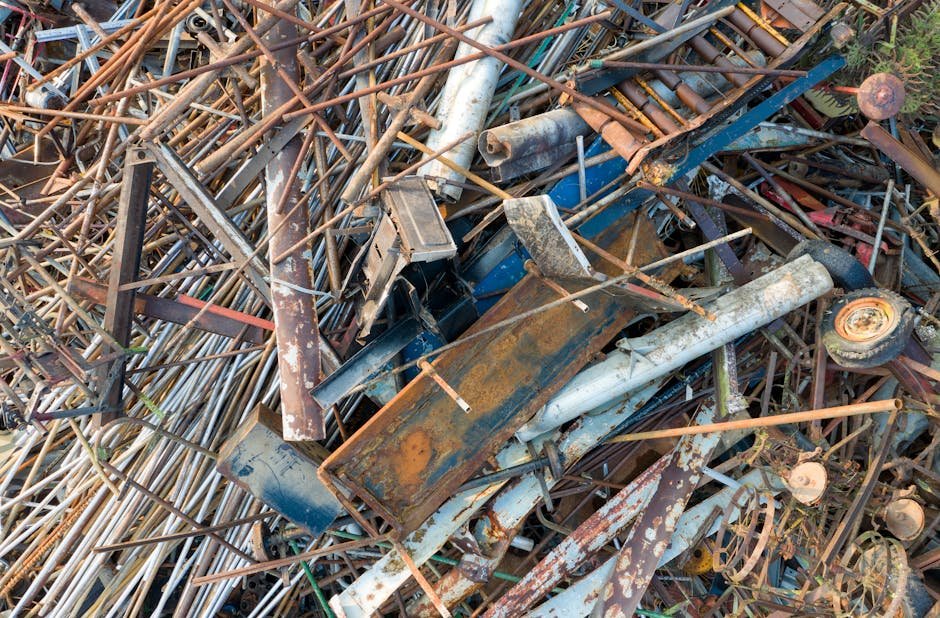

Scrap metals play a critical role in global sustainability efforts, with Australia being a key player in the recycling industry. From construction materials to electronic components, understanding the grades of scrap metals, the recycling process, and their environmental impact is essential for businesses and individuals engaging in scrap metal trade. This guide provides an in-depth look at the world of scrap metals, including practical tips for maximizing value and minimizing waste.
Overview of Scrap Metals
Scrap metals encompass a wide range of materials, including ferrous metals like iron and steel, non-ferrous metals like aluminium and copper, and specialty metals such as stainless steel and brass. These materials are sourced from end-of-life products, industrial manufacturing, and construction projects. The global demand for recycled metals continues to rise, driven by their lower environmental impact compared to virgin metal extraction.
Grades of Scrap Metals
Scrap metals are categorized by type, composition, and purity. The primary classifications include:
- Ferrous Metals: Contain iron and are magnetic. Common grades include steel, iron, and cast iron. These materials are widely used in construction and automotive industries.
- Non-Ferrous Metals: Lack iron and are non-magnetic. Examples include aluminium, copper, lead, and zinc. These metals are prized for their conductivity and resistance to corrosion.
- Specialty Metals: Alloys like stainless steel, brass, and bronze offer unique properties for specialized applications. Recycling these metals requires precise sorting and processing.
Proper classification ensures efficient recycling and maximizes the value of scrap trade. For example, copper wiring has a higher market value than mixed copper scrap due to its purity.
The Scrap Metal Recycling Process
Recycling scrap metals involves several stages:
- Collection: Scrap is gathered from industrial sites, households, and waste facilities. Use the scrap metal near me tool to locate collection points.
- Sorting: Advanced technologies like X-ray fluorescence (XRF) and magnetism separate metals by type and grade.
- Processing: Metals are shredded, melted, or refined to remove impurities. Steel is often processed in electric arc furnaces, while aluminium is remelted into ingots.
- Reuse: Recycled metals are repurposed into new products, reducing the need for raw material extraction.
Efficient recycling requires collaboration between collectors, processors, and manufacturers. Platforms like scrap.trade streamline the process, connecting sellers with buyers in real time.
Environmental Benefits of Recycling Scrap Metals
Recycling scrap metals significantly reduces environmental harm compared to mining and refining raw materials. Key benefits include:
- Energy Savings: Recycling aluminium uses 95% less energy than producing new aluminium from bauxite ore.
- Carbon Emission Reduction: The Australian recycling industry prevents over 20 million tonnes of CO2 emissions annually.
- Resource Conservation: Recycling conserves natural resources, reducing the need for destructive mining activities.
- Waste Reduction: Diverting metals from landfills minimizes soil and water contamination risks.
By choosing to recycle, individuals and businesses contribute to a circular economy, where materials are continuously reused rather than discarded. scraptrade.com.au provides insights into how local recycling initiatives support Australia’s sustainability goals.
Practical Tips for Selling Scrap Metals
Maximize the value of your scrap metals with these strategies:
- Research Market Prices: Metal prices fluctuate based on global demand and supply. Check Sell Scrap for real-time pricing tools.
- Clean and Sort Materials: Remove non-metal components like plastic and wood to increase purity and value.
- Use Bulk Selling: Larger volumes often secure better rates. Partner with scrap metal buyers offering bulk discounts.
- Document Grades: Provide clear information about the type and condition of metals to avoid disputes.
Platforms like scrap.trade simplify the selling process, offering transparent pricing and instant quotes for various scrap metal grades.
Economic Impact of Scrap Metal Recycling
The scrap metal industry generates billions in revenue annually and supports thousands of jobs globally. In Australia, the sector contributes to:
- Job Creation: Employment opportunities in collection, processing, and manufacturing.
- Export Revenue: High-grade recycled metals are exported to countries with strong manufacturing sectors.
- Cost Savings: Businesses reduce production costs by using recycled materials instead of raw metals.
Investing in scrap metal recycling also aligns with corporate social responsibility goals, enhancing brand value and community engagement.
Future Trends in Scrap Metal Recycling
Advancements in technology and policy are shaping the future of scrap metal recycling. Innovations like AI-driven sorting systems and blockchain-based tracking improve efficiency and transparency. Governments are also implementing stricter regulations to promote recycling, such as Australia’s National Recycling Policy. Staying informed about these trends ensures businesses remain competitive in the evolving market.
Conclusion
Scrap metals are more than just waste—they are valuable resources that support economic growth and environmental sustainability. By understanding the grades of scrap, mastering the recycling process, and leveraging platforms like scrap.trade, individuals and businesses can contribute to a greener future while maximizing financial returns. Whether you’re a seller looking to sell scrap or a buyer seeking high-quality materials, the scrap metal industry offers opportunities for all stakeholders.
Related: scrap metal
Related: scrap metal near me
Frequently Asked Questions
What are the main grades of scrap metals?
Scrap metals are categorized into ferrous (iron-based), non-ferrous (aluminium, copper), and specialty metals (stainless steel, brass). Ferrous metals are magnetic, while non-ferrous metals are valued for conductivity and corrosion resistance.
How does recycling scrap metals benefit the environment?
Recycling reduces energy consumption, lowers carbon emissions, conserves natural resources, and minimizes landfill waste. For example, recycling aluminium uses 95% less energy than producing it from raw materials.
How can I sell scrap metals in Australia?
Use platforms like Sell Scrap to compare prices and connect with buyers. Ensure your materials are sorted and cleaned to maximize value.
What are the economic benefits of scrap metal recycling?
The industry supports jobs, generates export revenue, and reduces production costs for manufacturers. It also aligns with sustainability goals, enhancing business reputation and compliance.