
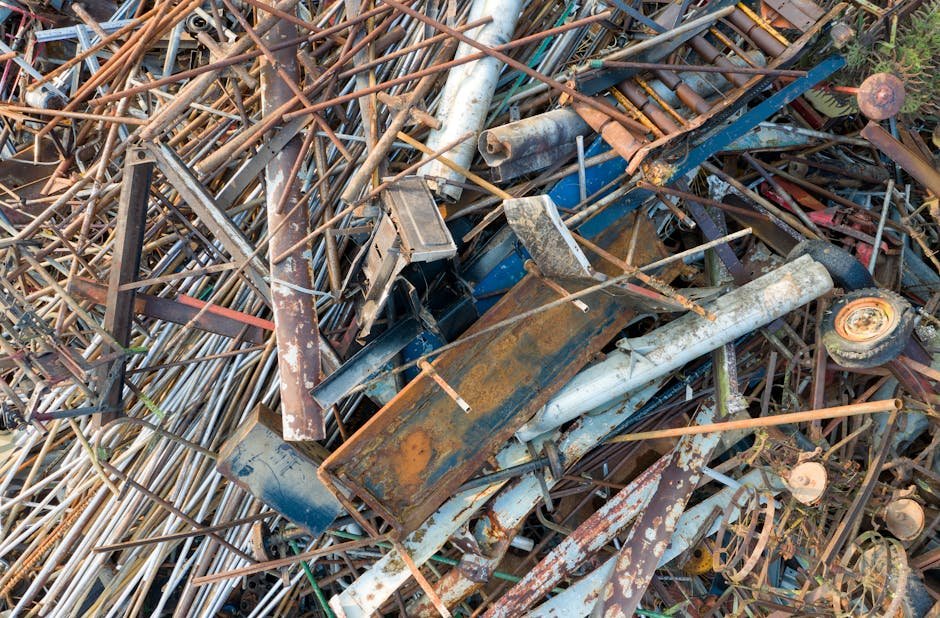

The new scrap metal laws 2025 mark a pivotal shift in Australia’s approach to metal recycling, emphasizing sustainability, transparency, and efficiency. These regulations redefine how scrap metal is graded, collected, and processed, ensuring alignment with global environmental goals. For businesses and individuals in the recycling sector, understanding these laws is critical to staying compliant while maximizing profitability.
Overview of the New Scrap Metal Laws 2025
Enacted in 2025, the new scrap metal laws introduce stricter grading standards, mandatory documentation for scrap transactions, and enhanced oversight of recycling operations. Key objectives include reducing contamination in recycled materials, promoting the use of clean scrap metals, and minimizing waste sent to landfills. The laws also incentivize innovation in recycling technologies and support the circular economy by encouraging reuse of scrap metal across industries.
Grades of Scrap Metal: What You Need to Know
Scrap metal is categorized into distinct grades to ensure quality and usability in downstream manufacturing. The new scrap metal laws 2025 formalize these classifications, requiring recyclers to adhere to standardized grading systems:
- Ferrous Metals: Includes iron and steel, graded by carbon content (e.g., low-carbon, high-carbon) and alloy composition.
- Non-Ferrous Metals: Encompasses aluminum, copper, brass, and zinc, graded by purity and alloy type.
- Clean Scrap: Unmixed, high-purity metals that require minimal processing before reuse.
- Dirty Scrap: Mixed or contaminated metals requiring advanced sorting and cleaning.
Accurate grading ensures that recycled metals meet industrial specifications. For example, copper wiring must be free from plastic or insulation, while stainless steel must be segregated by chromium-nickel content. These standards reduce waste and improve the efficiency of melting and refining processes.
How Scrap Metal Recycling Works in Australia
The recycling process under the new scrap metal laws 2025 follows a structured workflow to optimize sustainability:
- Collection: Scrap is gathered from industrial sites, households, or demolition projects. Use services like Scrap Metal Recycling Near Me to find local collection points.
- Sorting and Grading: Materials are separated using magnets, sensors, and manual checks to align with 2025 grading standards.
- Processing: Ferrous metals are shredded, while non-ferrous metals are melted in furnaces. Contaminants are removed via advanced filtration systems.
- Refining and Reuse: Recycled metals are sold to manufacturers for producing new products, closing the loop on resource use.
Recyclers must now maintain digital records of transactions, including weights, grades, and buyer details, to comply with the new laws. This transparency reduces illegal dumping and ensures accountability.
Environmental Benefits of the New Laws
The new scrap metal laws 2025 prioritize environmental stewardship by:
- Reducing Mining Demand: Recycling 1 ton of steel saves 2,500 pounds of iron ore and 1,400 pounds of coal.
- Lowering Emissions: Recycling aluminum uses 95% less energy than producing new aluminum from bauxite.
- Preventing Landfill Waste: By diverting scrap metal from landfills, the laws cut methane emissions and soil contamination.
- Conserving Water: The production of recycled metals uses significantly less water than extractive mining processes.
For instance, the Australian government estimates that full compliance with the 2025 laws could reduce CO2 emissions by 2.3 million tons annually by 2030. This aligns with Australia’s commitment to achieving net-zero emissions by 2050.
Practical Tips for Adhering to the New Laws
Businesses and individuals must adapt to the new scrap metal laws 2025 to avoid penalties and capitalize on opportunities:
- Invest in Sorting Technology: Use Eddy Current Separators or X-ray fluorescence (XRF) scanners to meet grading standards.
- Partner with Certified Recyclers: Choose facilities compliant with ScrapTrade’s verified recycling partners to ensure legal compliance.
- Stay Updated on Prices: Monitor Scrap Metal Prices to maximize returns on scrap sales.
- Document All Transactions: Maintain digital records of scrap weights, grades, and buyer details to meet legal requirements.
- Engage in Community Recycling: Promote household and industrial participation in scrap collection programs to boost recycling rates.
For example, a small business in New South Wales can leverage the “new south growth scrap metal” initiative to access funding for upgrading sorting equipment. Similarly, residents in Hobart can use cash for scrap metal hobart services to dispose of unwanted metal items while earning income.
The Future of Scrap Metal Recycling in Australia
By 2030, the new scrap metal laws 2025 are expected to transform Australia’s recycling landscape. Key trends include:
- Increased Automation: AI-driven sorting systems will enhance grading accuracy and reduce human error.
- Expansion of Circular Economy Models: Manufacturing sectors will prioritize recycled metals over virgin materials, driven by consumer demand for sustainable products.
- Community-Led Initiatives: Local councils will expand curbside recycling programs, supported by the 2025 laws’ emphasis on accessibility.
For businesses, the laws open opportunities to innovate. For instance, companies like ScrapTrade are developing blockchain-based platforms to track scrap metal supply chains, ensuring full transparency and compliance with the 2025 standards.
Getting Started with Your Scrap Metal Recycling Journey
To participate in Australia’s evolving recycling ecosystem:
- Assess Your Scrap: Identify the types and quantities of metals you can recycle (e.g., copper wiring, steel beams).
- Find Certified Recyclers: Use Scrap Metal Recycling Near Me to locate facilities compliant with the 2025 laws.
- Prepare Materials: Clean metals to remove contaminants, as impurities reduce their market value and complicate recycling.
- Compare Prices: Check Scrap Metal Prices to negotiate better deals with buyers.
- Adopt Sustainable Practices: Integrate recycling into your business operations to meet client expectations and regulatory requirements.
Whether you’re a homeowner looking to dispose of old appliances or a business owner managing industrial waste, the new scrap metal laws 2025 empower you to contribute to a greener Australia. Start today by exploring Sell Scrap Metal Near Me In 2026 for seamless transactions.
Frequently Asked Questions
How do the new scrap metal laws 2025 affect individual recyclers?
The laws require accurate grading, documentation, and compliance with environmental standards. Individuals must use certified recyclers and maintain records for legal transactions.
What are the penalties for violating the new scrap metal laws?
Penalties include fines, operational suspensions, and legal action for non-compliance, particularly for falsifying records or improper disposal of scrap.
How can I find a compliant scrap metal recycler near me?
Use platforms like Scrap Metal Recycling Near Me to locate verified recyclers adhering to the 2025 laws.
Why is scrap metal grading important under the new laws?
Grading ensures materials meet industrial quality standards, reduces processing costs, and maximizes the value of recycled metals for manufacturers.