
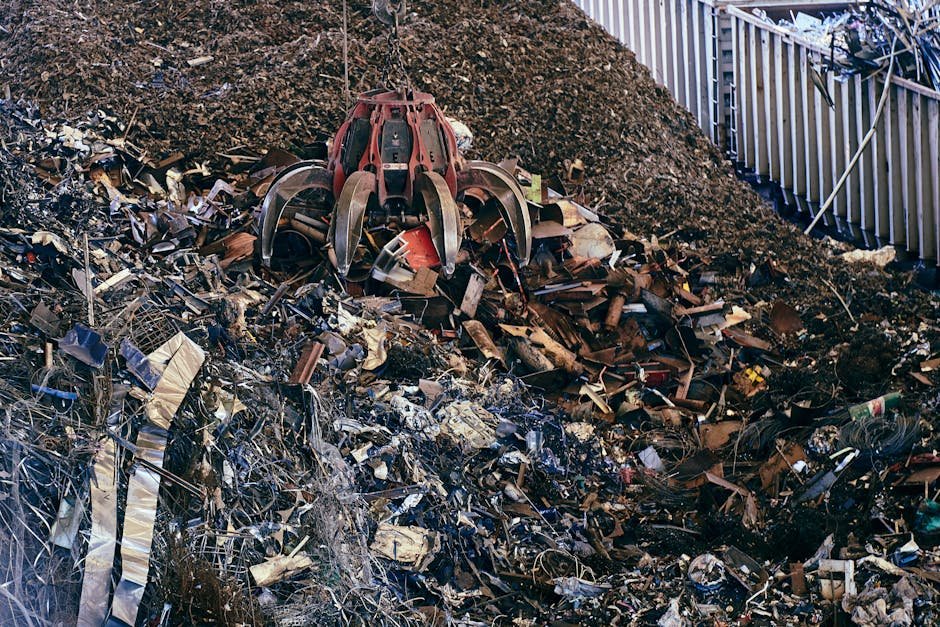

Scrapmetal recycling is a cornerstone of sustainable industrial practices in Australia. By understanding the grades of scrapmetal, the mechanics of the recycling process, and its environmental benefits, businesses and individuals can contribute to a circular economy. From ferrous to non-ferrous metals, each grade plays a unique role in recycling efficiency. This guide provides actionable insights for maximizing the value of scrapmetal while minimizing ecological footprints.
Understanding Scrapmetal Grades
Scrapmetal is broadly categorized into two groups: ferrous and non-ferrous metals. Ferrous metals, like steel and iron, contain iron and are magnetic, while non-ferrous metals (e.g., aluminum, copper, and brass) lack iron content and are corrosion-resistant. Grading ensures metals are sorted for purity and usability, which is critical for downstream manufacturing.
- Ferrous Metals: Common types include structural steel, rebar, and automotive parts. They dominate global recycling due to their abundance.
- Non-Ferrous Metals: Valuable for their conductivity and durability. Examples include copper wiring, aluminum cans, and stainless steel.
- Specialty Scrap: Rare metals like titanium and nickel require specialized processing but command high market prices.
Sorting scrapmetal requires advanced technology, such as X-ray fluorescence (XRF) scanners, to identify alloy compositions. Platforms like Scraptrade streamline this process by connecting buyers with certified grading services.
How Scrapmetal Recycling Works
The recycling process involves five key stages, each optimized to reduce waste and energy consumption:
- Collection: Scrapmetal is gathered from industrial sites, households, and demolition projects.
- Sorting: Metals are separated by type using magnets, sensors, and manual labor.
- Shredding/Processing: Large items are broken down into manageable pieces for melting.
- Melting: Metals are heated in electric arc furnaces to produce raw metal ingots.
- Manufacturing: Recycled metals are molded into new products, closing the material lifecycle.
For example, recycling aluminum saves 95% of the energy required to produce new aluminum from bauxite. Global online scrap trading platforms have revolutionized this process by enabling real-time price tracking and logistics coordination.
Environmental Benefits of Scrapmetal Recycling
Recycling scrapmetal mitigates environmental degradation through several mechanisms:
- Resource Conservation: Recycling reduces the need to mine raw materials, preserving ecosystems.
- Energy Efficiency: Producing metals from recycled scrap uses significantly less energy than primary extraction.
- Emission Reduction: According to the Australian Bureau of Statistics, scrapmetal recycling can cut CO₂ emissions by up to 80% compared to traditional methods.
- Landfill Diversion: Recycling prevents hazardous metals from leaching into soil and waterways.
Initiatives like global scrap trading networks amplify these benefits by enabling cross-border resource optimization. For instance, Australian companies collaborating with Japanese recyclers can maximize scrap reuse in electronics manufacturing.
Practical Tips for Scrapmetal Recycling
Maximize the value of your scrapmetal with these strategies:
- Segregate Materials: Keep ferrous and non-ferrous metals separate to avoid contamination and fetch better prices.
- Remove Non-Metal Components: Strip plastics and coatings before recycling to meet grading standards.
- Partner with Certified Recyclers: Platforms like Scraptrade Australia provide transparent pricing and eco-certifications.
- Stay Informed: Monitor market trends using global platforms like Scraptrade Global to capitalize on price fluctuations.
Case Study: Industry Leadership in Scrapmetal Recycling
Scraptrade’s recognition of Sands Industries highlights the importance of innovation in recycling. Sands Industries pioneered AI-driven sorting systems, achieving 98% grading accuracy and reducing processing times by 40%. Such advancements underscore the role of technology in scaling sustainable practices.
Economic and Social Impact of Scrapmetal Recycling
Beyond environmental benefits, scrapmetal recycling drives economic growth by:
- Creating jobs in collection, sorting, and processing sectors.
- Supporting local industries through affordable raw materials.
- Reducing dependency on imported metals, enhancing supply chain resilience.
In 2023, Australia’s recycling sector contributed $1.2 billion to the economy, with scrapmetal accounting for 65% of this value. Collaborative platforms like Scraptrade enable small businesses to compete globally by aggregating supply and demand.
Challenges and Future Trends
Despite its benefits, scrapmetal recycling faces challenges like contamination, fluctuating market prices, and regulatory hurdles. Emerging trends include:
- Blockchain for Transparency: Tracking metal origins to ensure ethical sourcing.
- Robotics in Sorting: AI-powered bots can identify metals faster and more accurately than humans.
- Circular Economy Policies: Governments are incentivizing recycling through tax breaks and extended producer responsibility (EPR) laws.
By 2030, the global scrapmetal recycling market is projected to grow by 7% annually, driven by these innovations and heightened environmental awareness.
Conclusion
Scrapmetal recycling is not just an industrial activity—it’s a vital component of sustainable development. From conserving resources to reducing emissions, the benefits are profound. Whether you’re a business owner, a homeowner, or an eco-conscious individual, understanding scrapmetal grades and recycling processes empowers you to make informed decisions. By leveraging platforms like Scraptrade Australia and Scraptrade Global, you can contribute to a greener future while optimizing economic returns.
Related: 한국 폐금속 업계를 위한 글로벌 온라인 스크랩 거래
Related: グローバル廃金属取引プラットフォームが正式サ
Frequently Asked Questions
What is the difference between ferrous and non-ferrous metals?
Ferrous metals contain iron and are magnetic, while non-ferrous metals do not. Ferrous metals like steel are commonly recycled at a lower cost, whereas non-ferrous metals such as copper and aluminum fetch higher prices due to their conductivity.
How can I identify the grade of scrapmetal?
Use a magnet to distinguish ferrous metals (attracted to magnets) from non-ferrous. For precise grading, consult a certified recycler or use XRF scanners to analyze alloy compositions.
What are the environmental benefits of recycling scrapmetal?
Recycling reduces energy consumption by 70-95% compared to producing new metals, cuts CO₂ emissions, and minimizes landfill waste. It also conserves natural resources by reducing the need for mining.
Where can I find reliable scrapmetal recycling services in Australia?
Partner with certified recyclers like Scraptrade Australia or use global platforms like Scraptrade to access transparent pricing and logistics support.