
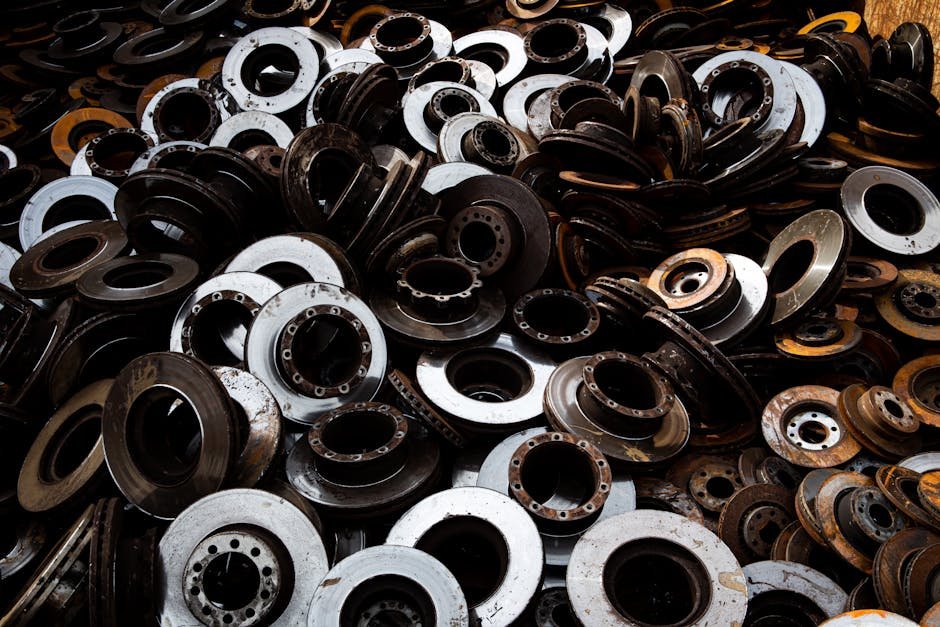

Introduction to Non Ferrous Scrap Recycling Market
The non ferrous scrap recycling market is a vital component of the global recycling industry. It involves the collection, processing, and recycling of non-ferrous metals such as copper, aluminum, and zinc. For traders and recyclers, understanding the non ferrous scrap recycling market is crucial for making informed decisions. A comprehensive guide can be found at Non Ferrous Scrap A Complete Guide For Traders And Recyclers.
Trends in Non Ferrous Scrap Recycling Market
The non ferrous scrap recycling market is constantly evolving, with new trends and technologies emerging regularly. One of the key trends is the increasing demand for recycled non-ferrous metals, driven by the growing need for sustainable and environmentally-friendly practices. As a result, the non ferrous scrap recycling market is expected to grow significantly in the coming years. To stay ahead of the competition, it’s essential to understand the differences between Scrap Trading Vs Recycling Business.
Benefits of Non Ferrous Scrap Recycling
Non ferrous scrap recycling offers numerous benefits, including conservation of natural resources, reduction of greenhouse gas emissions, and creation of jobs. Additionally, non ferrous scrap recycling helps to reduce the amount of waste sent to landfills, which in turn helps to mitigate the environmental impacts of mining and processing primary metals. To find a local recycling facility, simply search for Scrap Metal Recycling Near Me.
Challenges in Non Ferrous Scrap Recycling Market
Despite the benefits, the non ferrous scrap recycling market faces several challenges, including fluctuating market prices, lack of standardization, and increasing competition. Furthermore, the non ferrous scrap recycling market is heavily influenced by global events, such as changes in government policies and trade agreements. For example, the ferrous scrap recycling market and australia ferrous scrap recycling market have experienced significant fluctuations in recent years.
To succeed in the non ferrous scrap recycling market, it’s essential to stay informed about the latest trends and developments. This can be achieved by visiting reputable websites, such as scrap.trade and scraptrade.com.au, which provide valuable insights and information on the non ferrous scrap recycling market.
The non ferrous scrap recycling market is a complex and dynamic industry, with many factors influencing its growth and development. As the demand for recycled non-ferrous metals continues to rise, the non ferrous scrap recycling market is expected to play an increasingly important role in the global recycling industry. The non ferrous scrap recycling market will continue to evolve, driven by advances in technology and changes in government policies.
- The non ferrous scrap recycling market is driven by the growing demand for sustainable and environmentally-friendly practices.
- The non ferrous scrap recycling market is expected to grow significantly in the coming years.
- The non ferrous scrap recycling market faces several challenges, including fluctuating market prices and lack of standardization.
In conclusion, the non ferrous scrap recycling market is a vital component of the global recycling industry, and its growth and development will have a significant impact on the environment and the economy. As the non ferrous scrap recycling market continues to evolve, it’s essential to stay informed about the latest trends and developments, and to understand the benefits and challenges of this complex and dynamic industry. The non ferrous scrap recycling market will continue to play a critical role in the global recycling industry, and its importance cannot be overstated.
Frequently Asked Questions
What is the non ferrous scrap recycling market?
The non ferrous scrap recycling market is a vital component of the global recycling industry, involving the collection, processing, and recycling of non-ferrous metals such as copper, aluminum, and zinc. It is driven by the growing demand for sustainable and environmentally-friendly practices. The non ferrous scrap recycling market is expected to grow significantly in the coming years, driven by advances in technology and changes in government policies.
What are the benefits of non ferrous scrap recycling?
Non ferrous scrap recycling offers numerous benefits, including conservation of natural resources, reduction of greenhouse gas emissions, and creation of jobs. Additionally, non ferrous scrap recycling helps to reduce the amount of waste sent to landfills, which in turn helps to mitigate the environmental impacts of mining and processing primary metals.
What are the challenges in the non ferrous scrap recycling market?
The non ferrous scrap recycling market faces several challenges, including fluctuating market prices, lack of standardization, and increasing competition. Furthermore, the non ferrous scrap recycling market is heavily influenced by global events, such as changes in government policies and trade agreements.
How can I stay informed about the non ferrous scrap recycling market?
To stay informed about the non ferrous scrap recycling market, it’s essential to visit reputable websites, such as scrap.trade and scraptrade.com.au, which provide valuable insights and information on the non ferrous scrap recycling market. You can also search for Scrap Metal Recycling Near Me to find a local recycling facility.