
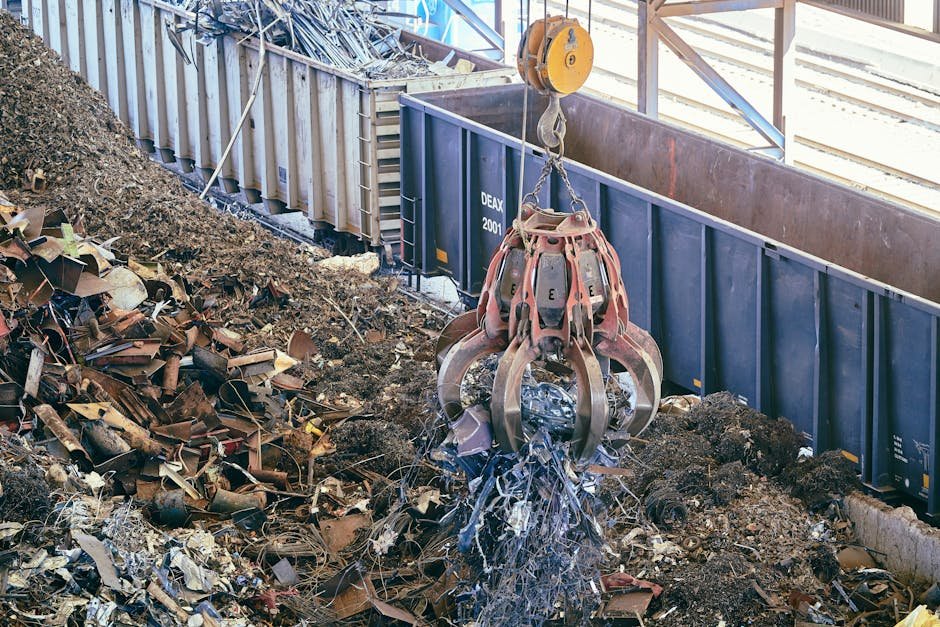

In Western Australia, especially within the Perth metro area and the historic port city of Fremantle, scrap metal collection perth has become a cornerstone of the circular economy, offering both financial returns for suppliers and measurable environmental gains for the community.
Overview of Scrap Metal Collection in Perth
Perth’s thriving construction, manufacturing, and demolition sectors generate thousands of tonnes of metal waste each year. Local councils and private recyclers coordinate to ensure that this material is diverted from landfill and re‑entered into the supply chain. The process begins with a reliable Scrap Metal Collection service that picks up, sorts, and grades metal on‑site or at a central facility. By adhering to WA’s strict environmental regulations, these services protect waterways, reduce greenhouse‑gas emissions, and create jobs across the region.
Understanding Scrap Metal Grades
Accurate grading is essential for maximizing value and ensuring that recycled metal meets industry specifications. Grades are typically divided into ferrous (iron‑based) and non‑ferrous categories, each with sub‑grades based on purity, alloy composition, and contamination level.
- Ferrous Metals: Includes steel, cast iron, and wrought iron. Common grades are #1 (clean steel), #2 (mixed steel), and #3 (contaminated steel with paint or oil).
- Non‑Ferrous Metals: Includes copper, aluminium, brass, bronze, and precious metals. Grades such as #1 copper (bare, clean) command premium prices, while mixed alloys are priced lower.
- Specialty Alloys: High‑grade aerospace aluminium, stainless steel, and nickel alloys require separate handling due to their high market demand.
Understanding these grades enables sellers to sort material correctly before contacting a recycler, which in turn reduces processing costs and improves payout rates. For businesses looking to Sell Scrap Metal Near Me In 2026, proper grading is a competitive advantage.
How the Recycling Process Works
The recycling journey for metal begins with collection, followed by a series of mechanical and metallurgical steps that transform waste into raw material ready for manufacturing.
- Collection & Transport: Trucks equipped with hydraulic lifts collect bulk loads from demolition sites, factories, or residential curbside programs. In Perth, many operators offer dedicated scrap metal removal perth services that cater to tight urban sites.
- Sorting & Segregation: At the processing facility, magnets separate ferrous from non‑ferrous metals. Advanced optical scanners and X‑ray fluorescence (XRF) devices identify alloy composition, ensuring each batch meets grade specifications.
- Shredding & Size Reduction: Metals are shredded into uniform fragments to increase surface area, which improves furnace efficiency during melting.
- Melting & Refining: Ferrous metals are melted in electric arc furnaces, while non‑ferrous metals use induction furnaces. Fluxes and oxygen are added to remove impurities, yielding high‑purity molten metal.
- Casting & Forming: Molten metal is cast into ingots, billets, or slabs, ready for downstream manufacturers to roll, extrude, or forge into new products.
Each step is monitored for energy consumption and emissions. Modern Australian recyclers employ heat‑recovery systems that capture waste heat from furnaces, converting it into electricity for the plant – a key factor in the sector’s sustainability credentials.
Environmental Benefits of Metal Recycling
Recycling metal delivers tangible environmental outcomes that align with WA’s climate action goals.
- Energy Conservation: Producing recycled aluminium uses up to 95% less energy than primary extraction from bauxite. For steel, energy savings can reach 60%.
- Reduced Greenhouse‑Gas Emissions: Lower energy demand translates directly into fewer CO₂ emissions. The Australian Government estimates that recycling one tonne of steel avoids 1.8 tonnes of CO₂ equivalent.
- Landfill Diversion: Metal does not decompose, so keeping it out of landfill prevents long‑term leaching of heavy metals into soil and groundwater.
- Resource Preservation: Recycling reduces the need for virgin ore mining, preserving natural habitats and reducing ecosystem disruption.
Communities across Perth, from the bustling streets of the CBD to the industrial zones of Kwinana, benefit from cleaner air, reduced traffic congestion (fewer haul trucks to distant mines), and a stronger local economy.
Regulations and Compliance in WA
Western Australia enforces strict guidelines to ensure that scrap metal handling protects both people and the environment. Key legislation includes the Environmental Protection Act 1986 and the Waste Avoidance and Resource Recovery Act 2007. Recyclers must hold a Waste Licence, maintain accurate records of material weights, and provide annual reporting to the Department of Water and Environmental Regulation (DWER).
Compliance checks focus on:
- Proper storage to prevent runoff into waterways such as the Swan River.
- Documentation of source, grade, and final disposition of each batch.
- Worker safety protocols, including PPE and training for handling hazardous residues like lead‑based paints.
Businesses that partner with licensed operators not only avoid fines but also gain credibility with customers who value responsible sourcing.
Practical Tips for Residents and Businesses
Whether you are a homeowner clearing out a garage or a construction firm managing a demolition, the following tips streamline your scrap metal collection perth experience.
- Separate Metals Early: Keep ferrous and non‑ferrous metals in distinct containers. Use magnetic tools to test unknown pieces.
- Remove Contaminants: Scrape off paint, oil, and plastic. Clean metal yields higher grades and better prices.
- Know Local Drop‑Off Points: Many councils operate free drop‑off sites for small quantities. For larger loads, schedule a pickup with a licensed service.
- Document Weights: Weigh each batch on a calibrated scale and keep receipts. This documentation is essential for compliance and for negotiating rates.
- Leverage Online Platforms: Websites like Scrap Trade provide price calculators, instant quotes, and scheduling tools that simplify the process.
- Plan for Transportation: Use low‑loader trucks for bulky items and secure loads with straps to prevent accidents.
By following these steps, you can maximize profit, reduce environmental impact, and ensure a smooth transaction with your recycler.
Choosing a Reliable Service in Perth Metro and Fremantle
The market offers a range of providers, but not all deliver the same level of service or compliance. When evaluating a partner, consider the following criteria:
- Licensing and Accreditation: Verify the company holds a current WA waste licence and adheres to DWER standards.
- Transparent Pricing: Reputable firms publish current market rates for each grade and provide clear invoicing.
- Customer Reviews: Look for feedback from other Perth businesses and residents. High ratings often correlate with punctual pickups and fair payouts.
- Environmental Commitment: Companies that report on energy recovery, emissions reductions, and community initiatives demonstrate genuine sustainability.
- Service Coverage: Ensure the provider covers your specific suburb, whether you are in the inner‑city Perth metro or the coastal suburbs of Fremantle.
For a seamless experience, many clients start with a free online quote, then schedule a pickup. Our own platform offers a dedicated sell scrap metal perth portal that matches you with vetted recyclers, ensuring compliance and competitive rates.
Future Trends and the 2026 Outlook
By 2026, the scrap metal sector in WA is projected to grow by 12% annually, driven by increased construction activity, stricter landfill bans, and rising demand for recycled aluminium in the automotive industry. Emerging technologies such as AI‑driven sorting robots and blockchain‑based traceability will further enhance efficiency and transparency.
Key trends to watch:
- Smart Bins: Sensors will alert collection crews when bins reach capacity, reducing missed pickups.
- Circular Supply Chains: Manufacturers will increasingly require certified recycled content, creating premium markets for high‑grade scrap.
- Carbon Credits: Recyclers that can quantify emissions avoided may earn tradable credits, adding another revenue stream.
Staying ahead of these developments positions both suppliers and recyclers for long‑term success. For businesses planning ahead, partnering with forward‑thinking recyclers now ensures you are ready for the evolving market landscape.
To explore more about how scrap metal recycling can benefit your operation, visit ScrapTrade Australia for industry insights, case studies, and contact information for certified partners across Western Australia.
Related: Scrap Metal Recycling Near Me
Frequently Asked Questions
What types of metals are accepted in scrap metal collection perth?
Both ferrous (steel, cast iron) and non‑ferrous metals (copper, aluminium, brass, stainless steel) are accepted, provided they are free of hazardous contaminants and sorted by grade.
How is scrap metal graded and why does it matter?
Metals are graded based on composition, purity, and contamination level. Accurate grading determines the payout price and ensures the recycled material meets manufacturer specifications.
Are there any permits required for businesses to sell scrap metal in WA?
Yes, businesses must hold a WA Waste Licence and comply with the Environmental Protection Act and Waste Avoidance and Resource Recovery Act, which include record‑keeping and reporting obligations.
What environmental impact does metal recycling have in Perth?
Recycling metal saves up to 95% of the energy needed for primary production, reduces CO₂ emissions, diverts waste from landfills, and lessens the need for new mining, supporting WA’s climate goals.